75th Anniversary of HHDL leadership exhibition
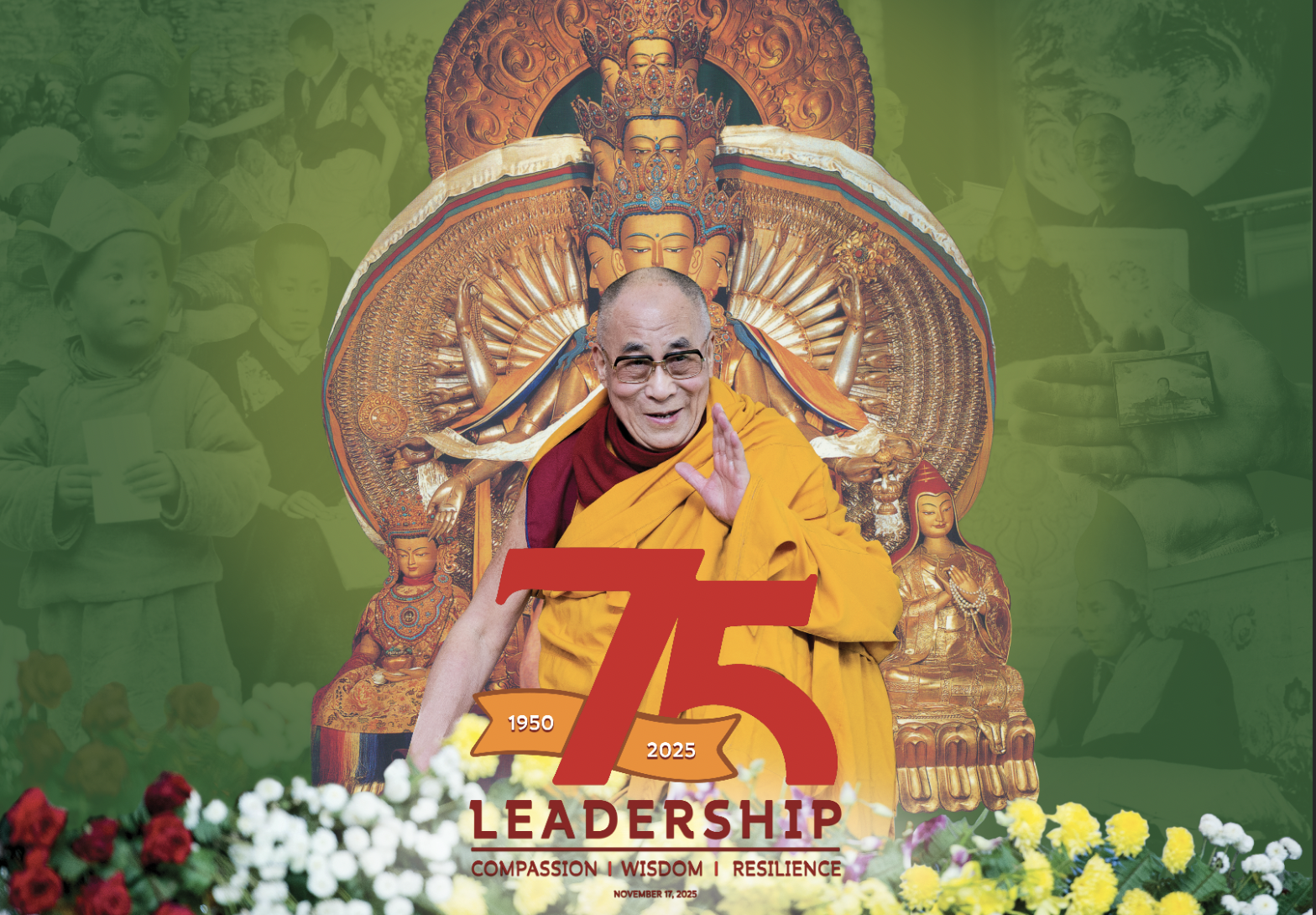
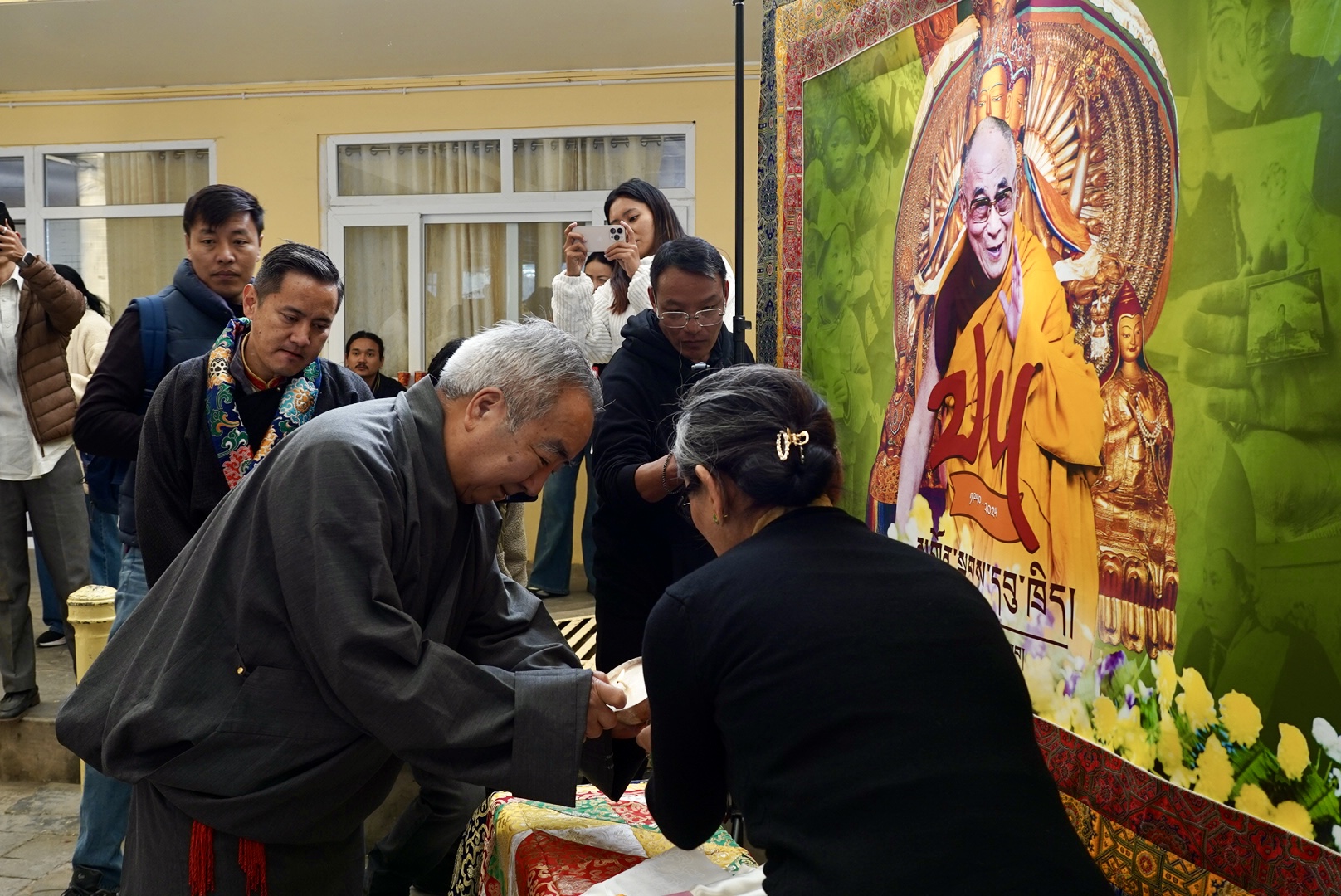
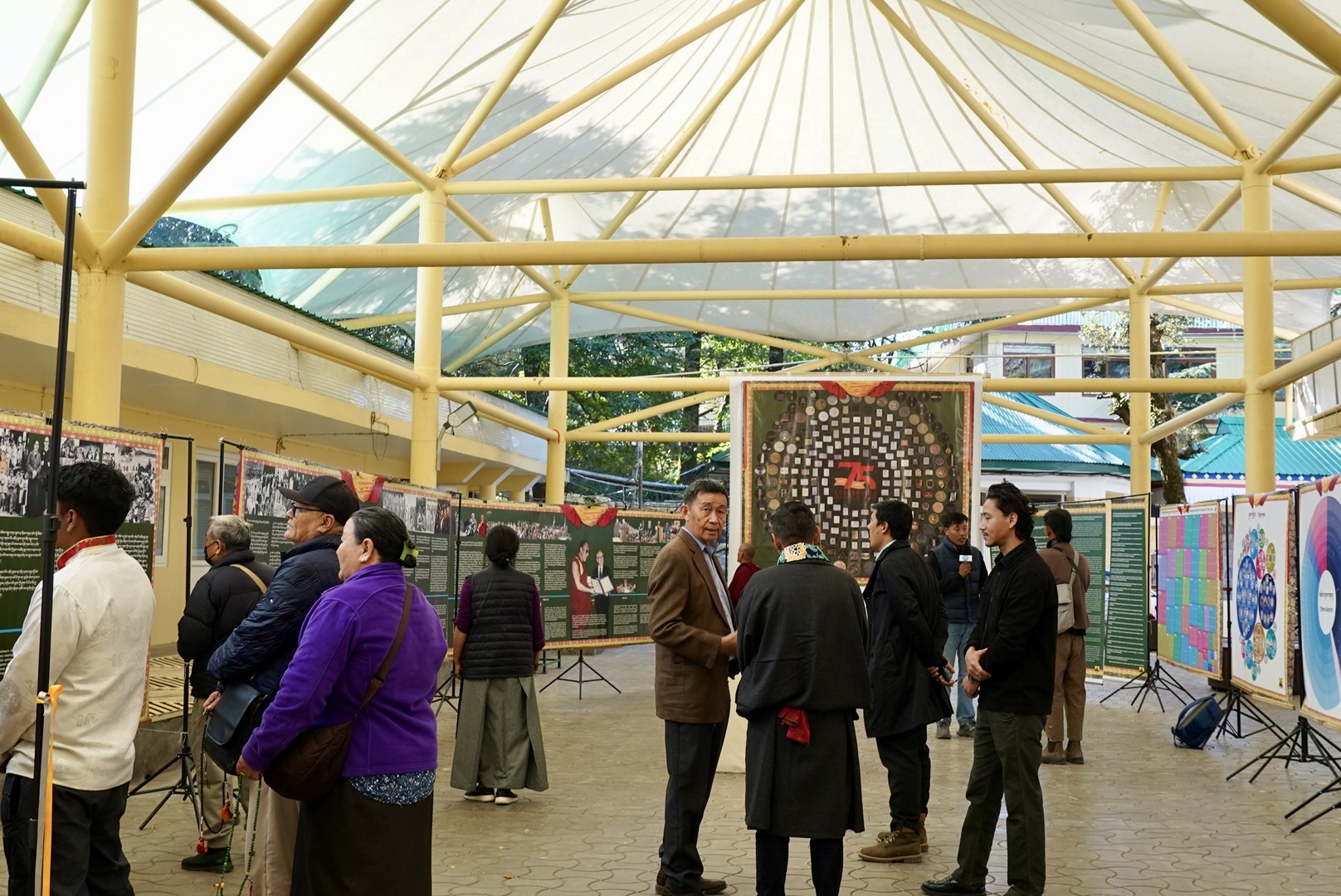
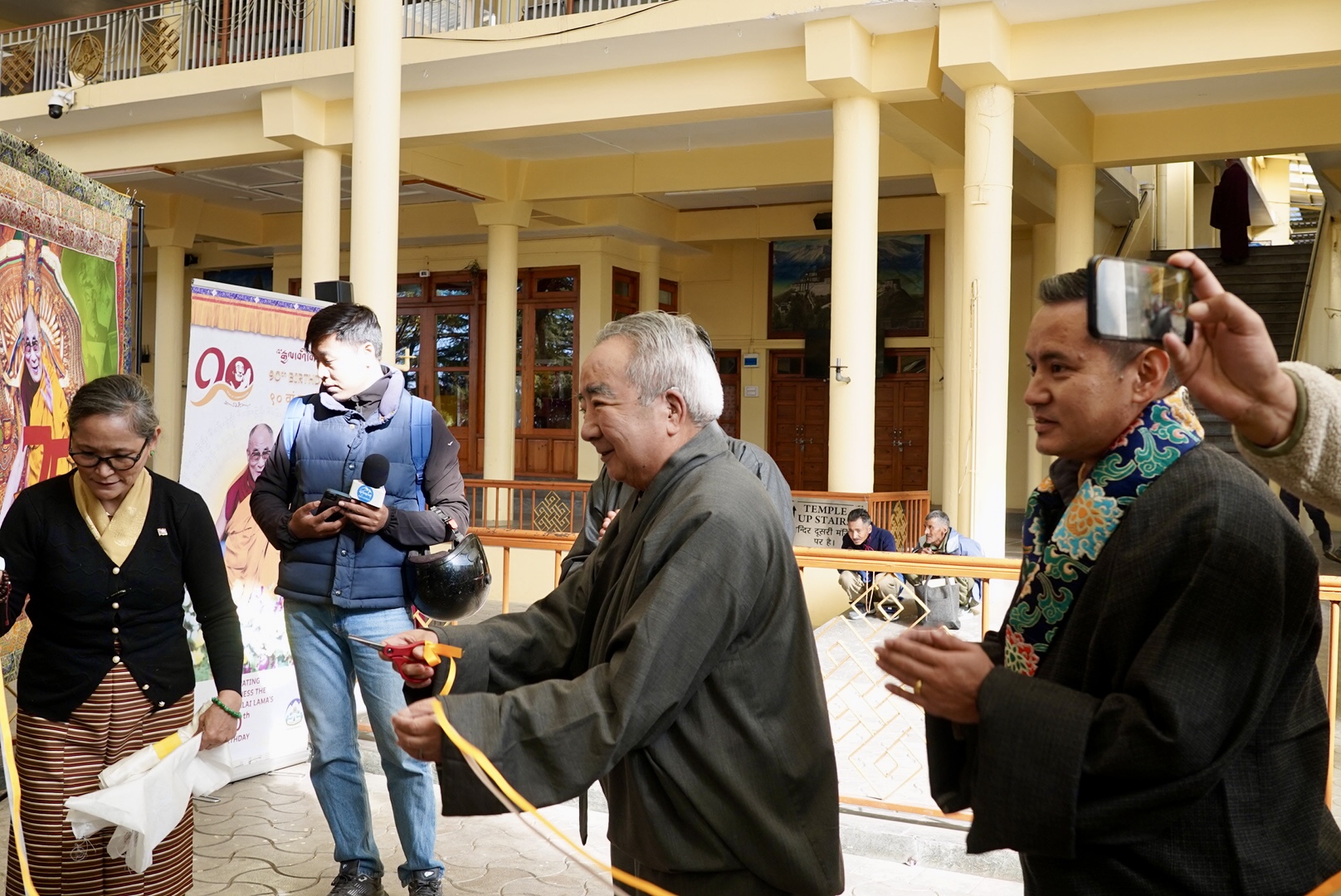
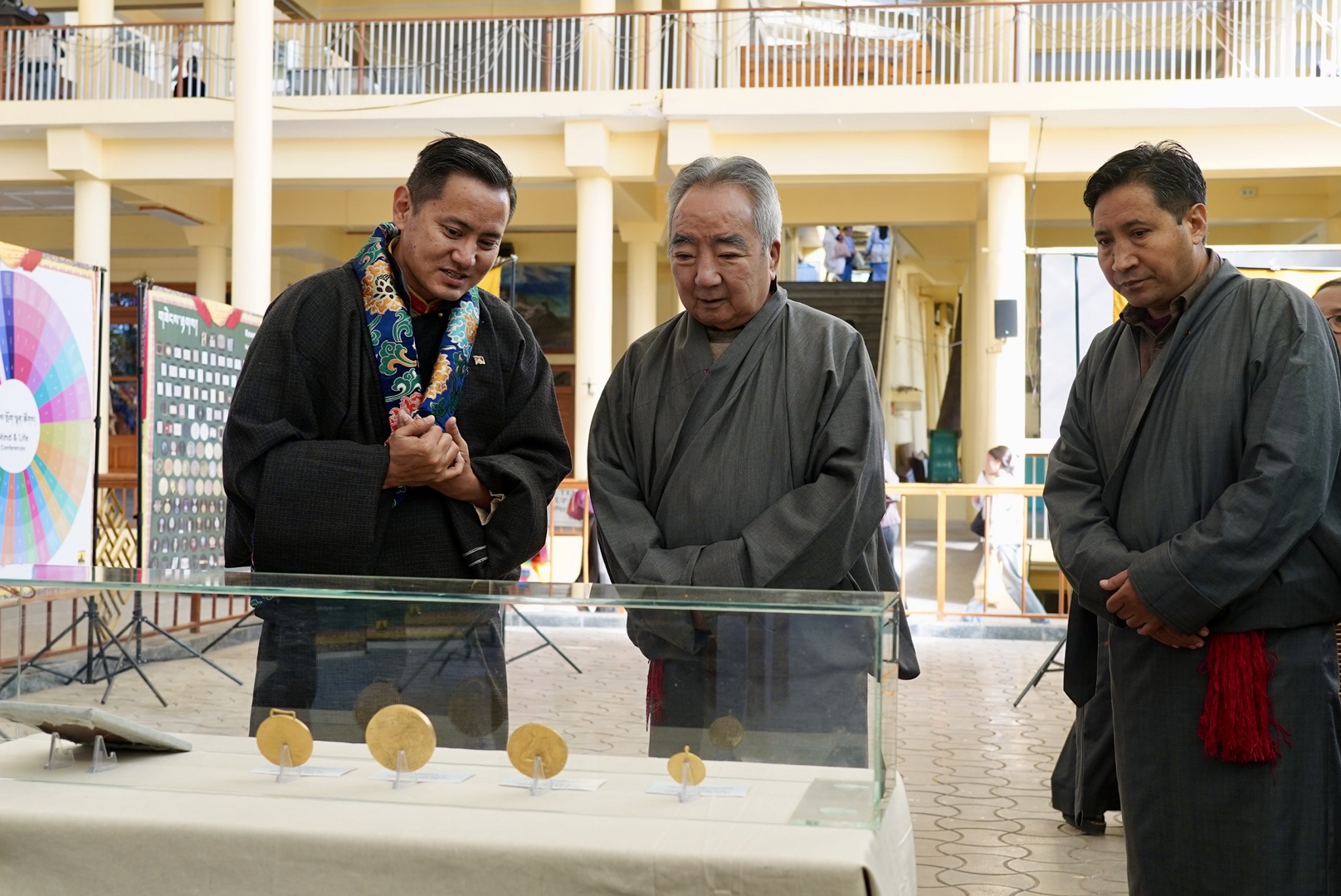
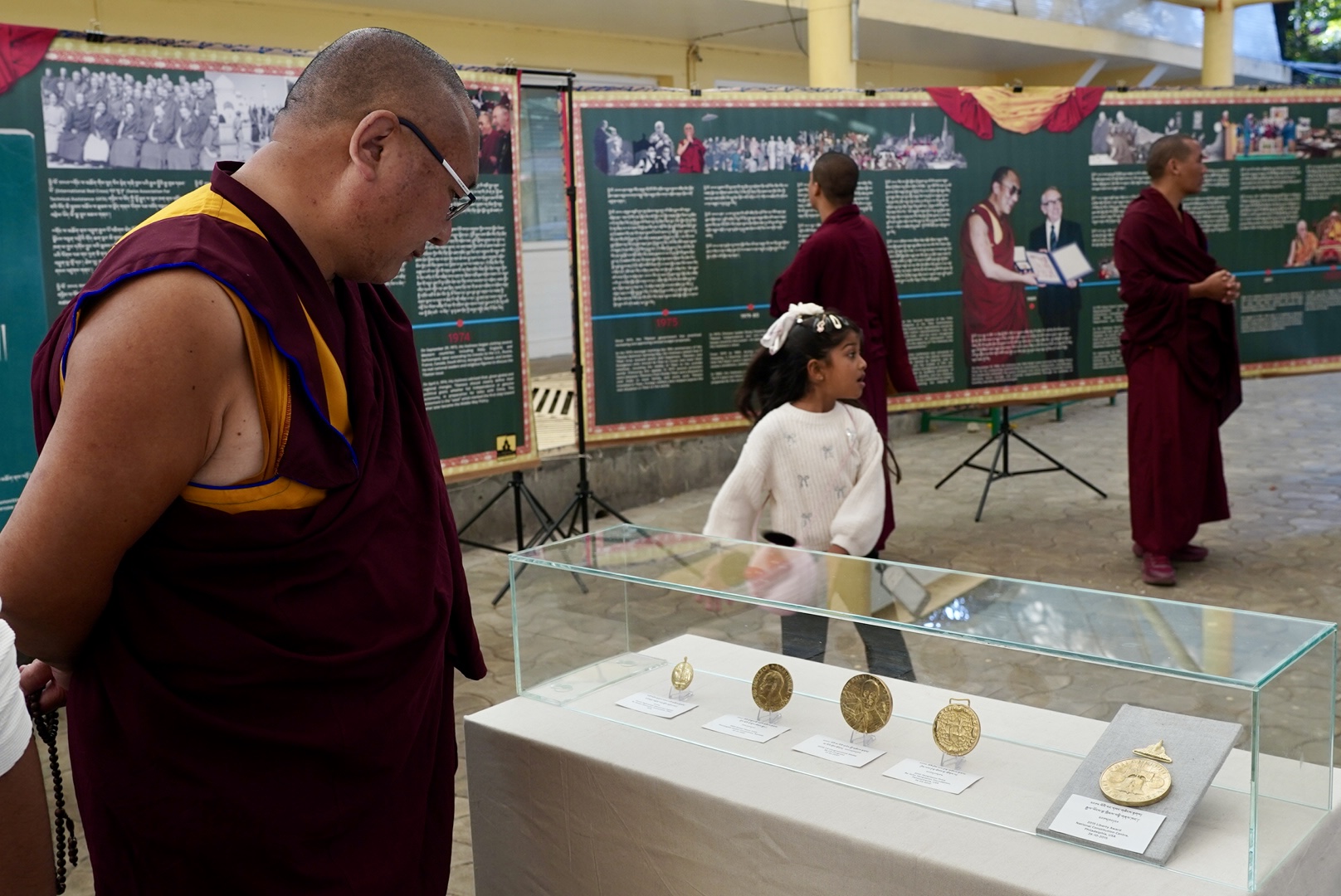
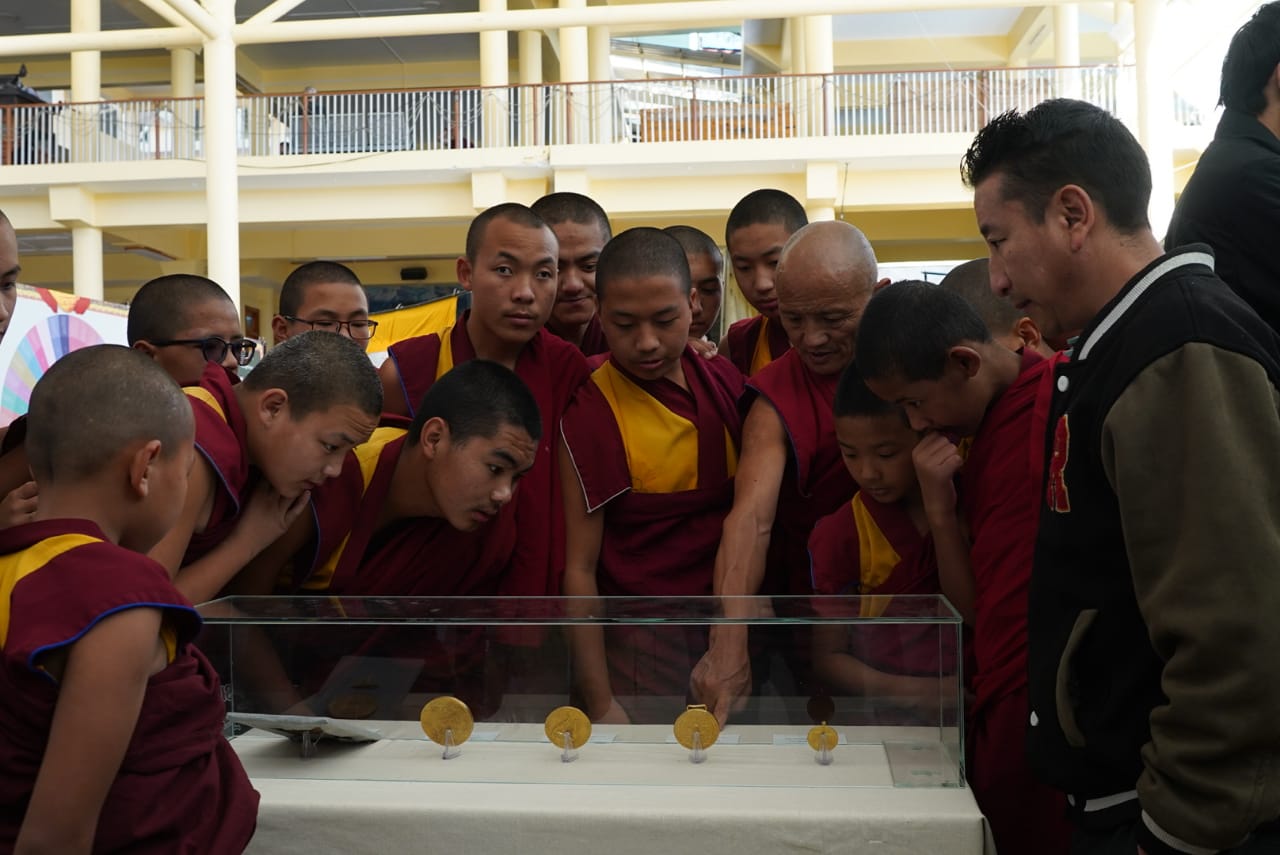
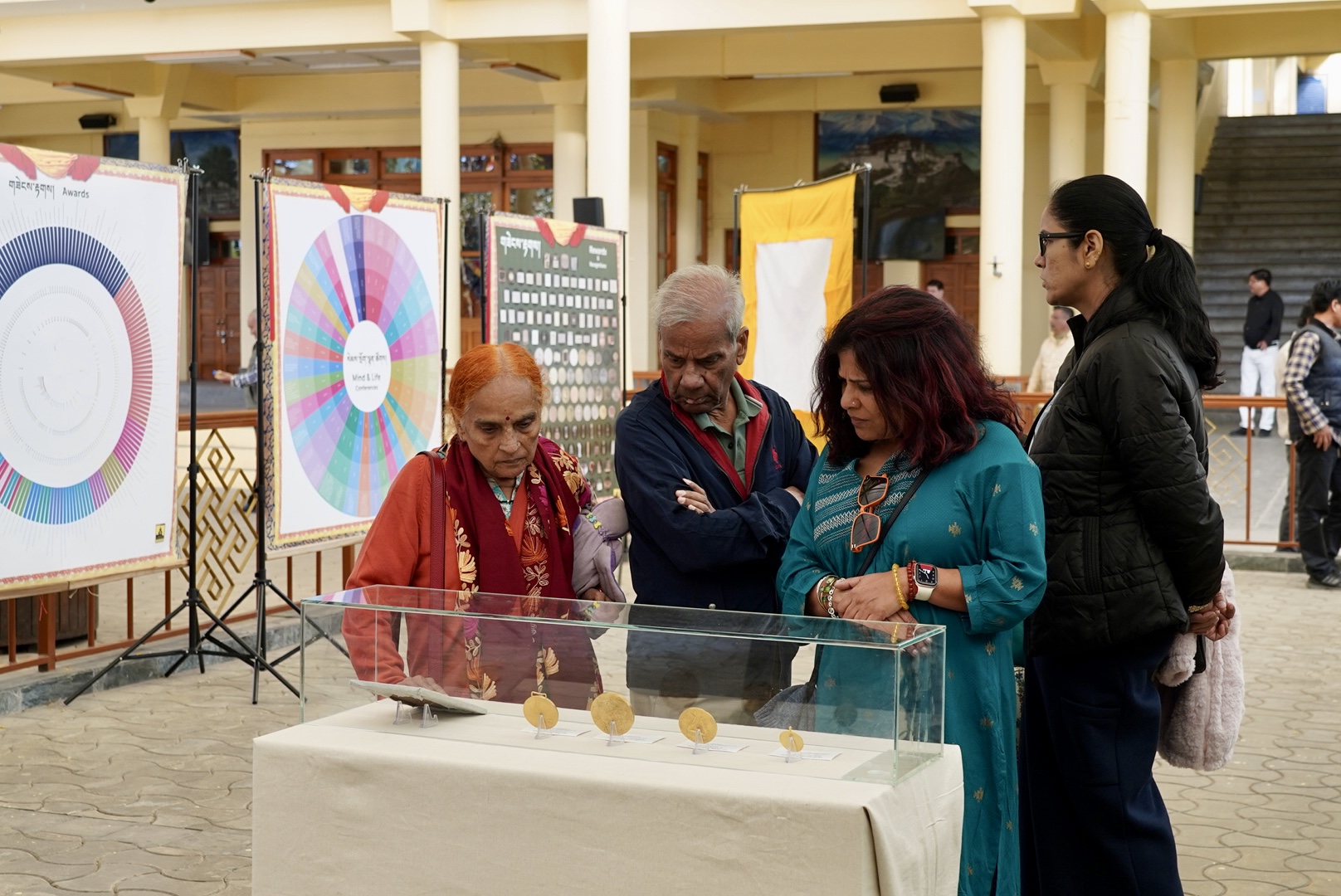
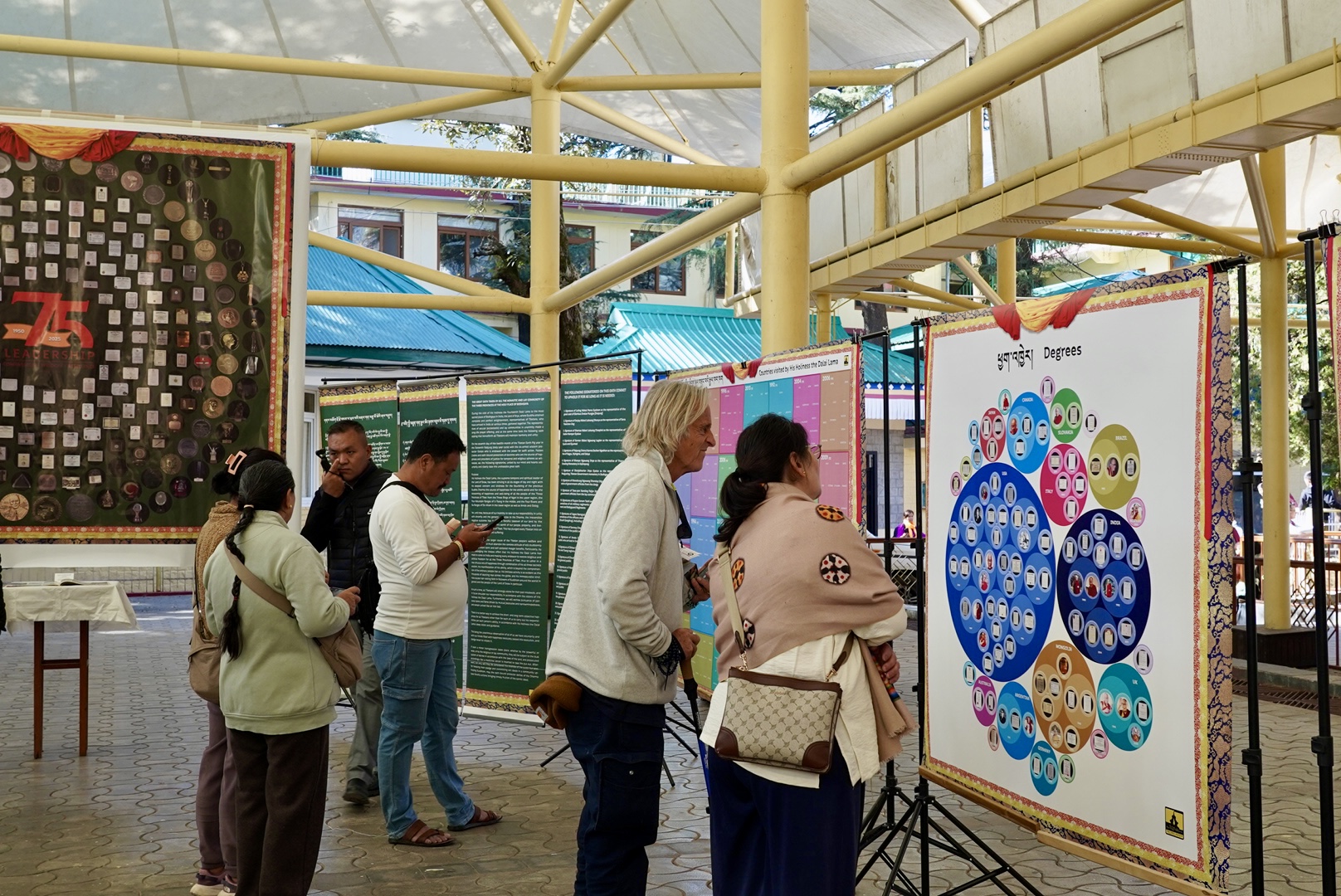
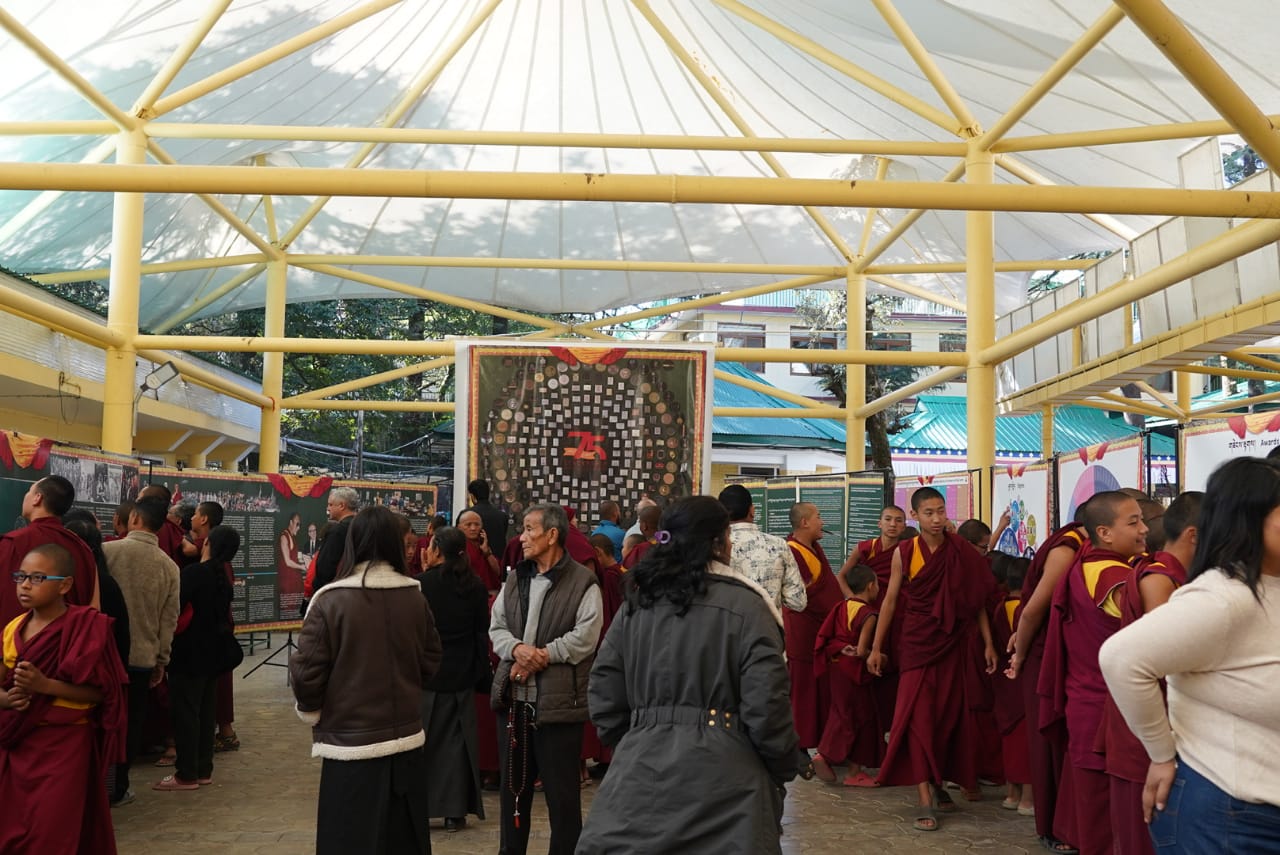
On November 14 and 15, a two-day photo exhibition was held at Thekchen Chöling Temple, Dharamsala, organised by The Tibet Museum, Department of Information and International Relations (DIIR), Central Tibetan Administration. The exhibition commemorates the 75th anniversary of His Holiness the Dalai Lama assuming full responsibility for both the religious and political leadership of Tibet.
The opening ceremony was attended by Mr. Lobsang Jinpa, Secretary at the Office of His Holiness the Dalai Lama (OHHDL); Mr. Karma Choeying, Secretary of the Department of Information and International Relations; Mr. Tenzin Topdhen, Director of The Tibet Museum; and members of the local Tibetan community in Dharamsala.
Speaking to the media about the significance of His Holiness’s leadership, Mr. Lobsang Jinpa, Secretary of the Gaden Phodrang, said:
“It is difficult to say which of His Holiness’s activities is the most important—each has its own significance and necessity. One of the most important aspects featured in this exhibition is the Great Oath of Tibet. During the era of the Three Dharma Kings, the three provinces of Tibet were united. Over time, political changes led to new divisions, including separation into Chinese and Tibetan-administered areas.
Under the leadership of the 14th Dalai Lama, the three provinces were once again united under the Gaden Phodrang, which is a profoundly significant achievement. His Holiness has always envisioned harmony among all Tibetans and has worked tirelessly for Tibet’s unity. It is also during His Holiness’s time that democracy was first introduced in Tibetan history.”
Mr. Tenzin Topdhen, Director of The Tibet Museum, also briefed journalists:
“This exhibition showcases only a small portion of His Holiness’s vast and lifelong activities. It focuses particularly on photographs related to his political leadership.
The exhibition is divided into three main sections:
- 1940–1959: This section highlights His Holiness’s early responsibilities before Tibet lost its independence. The most significant event is His Holiness assuming full religious and political leadership on November 17, 1950. Despite being committed to reforming Tibet, the Chinese Communist Party’s invasion forced His Holiness to undertake visits abroad, notably to China in 1954 and India in 1956, in pursuit of reconciliation and non-violent solutions.
- 1959–1974: This period includes the drafting of the Constitution of Tibet, along with the establishment and strengthening of the Central Tibetan Administration, Tibetan schools, monasteries, and various institutions in exile.
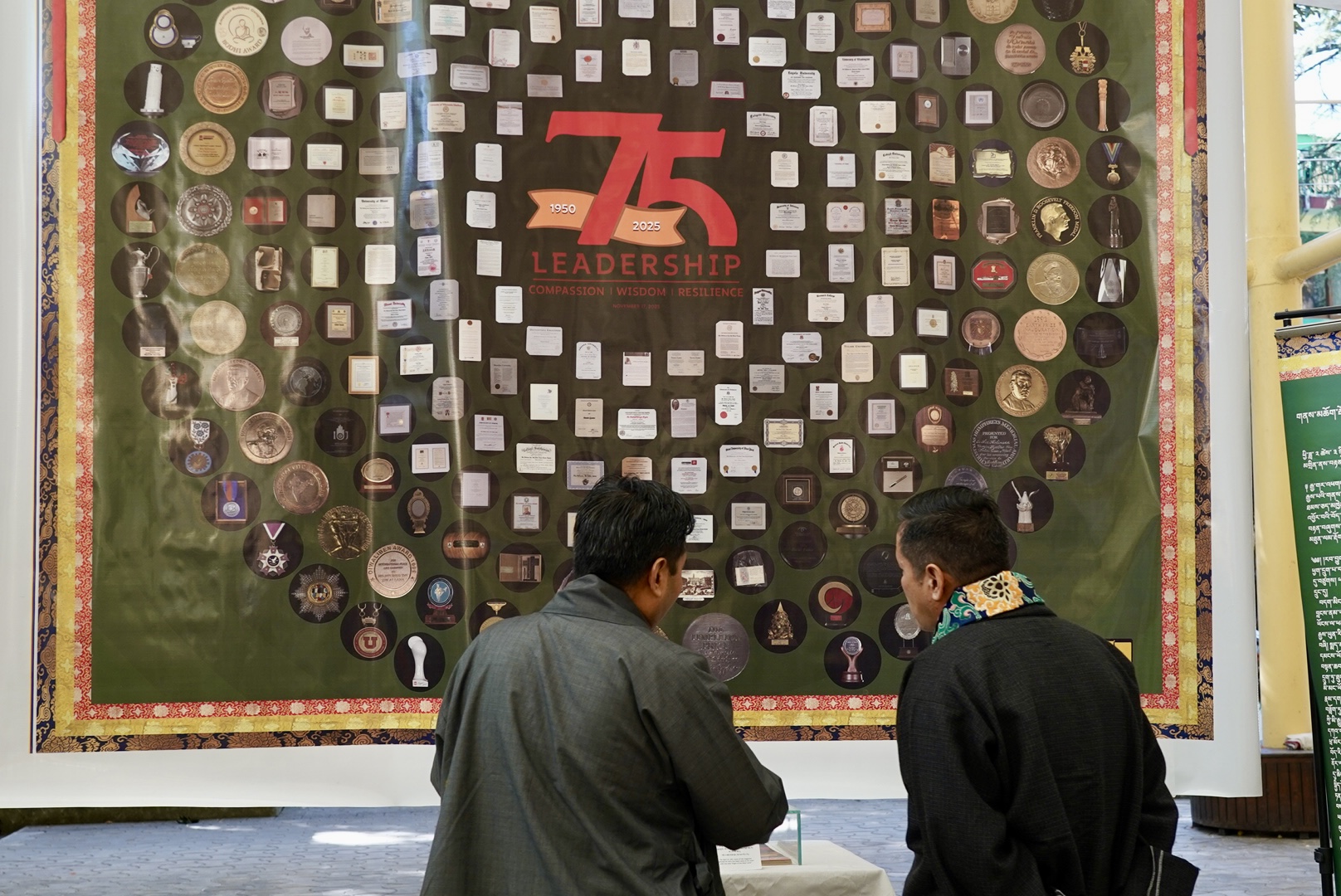
- Post-1973: His Holiness began extensive international engagements. To date, he has made 500 trips to 62 countries, receiving 341 awards, the majority from the United States.
For researchers, this exhibition offers valuable material, especially the display of the original copy of the Great Oath of Tibet, taken on February 3, 1960, in Bodhgaya. This oath symbolises the unity of U-Tsang, Kham, and Amdo under His Holiness’s leadership and affirms the commitment to share both joy and hardship for the future of Tibet. The names of the 17 signatories are also presented.
At times, political circumstances have led people to drift away from these foundational commitments. It is therefore essential for us—under the guidance of His Holiness—to preserve our unity and collective strength as a constant reminder.”
The exhibition was visited and warmly received by many, including Mr. Jamphel Lhundup, Secretary at the Office of His Holiness the Dalai Lama (OHHDL) overseeing the Dalai Lama Library and Archives, and Mr. Tsetan Samdup, Secretary at OHHDL.
Interactive Map: 75 Years of His Holiness the Dalai Lama’s Leadership: Click here