Tibet Museum Team Undertakes Enriching Museum Excursion to Kolkata
A museum excursion is an essential educational initiative that enables museum professionals to engage directly with diverse institutions, deepening their understanding of curatorial practices, exhibition techniques, and visitor engagement strategies. Such experiences offer valuable practical exposure and create meaningful opportunities for learning, reflection, and professional growth.
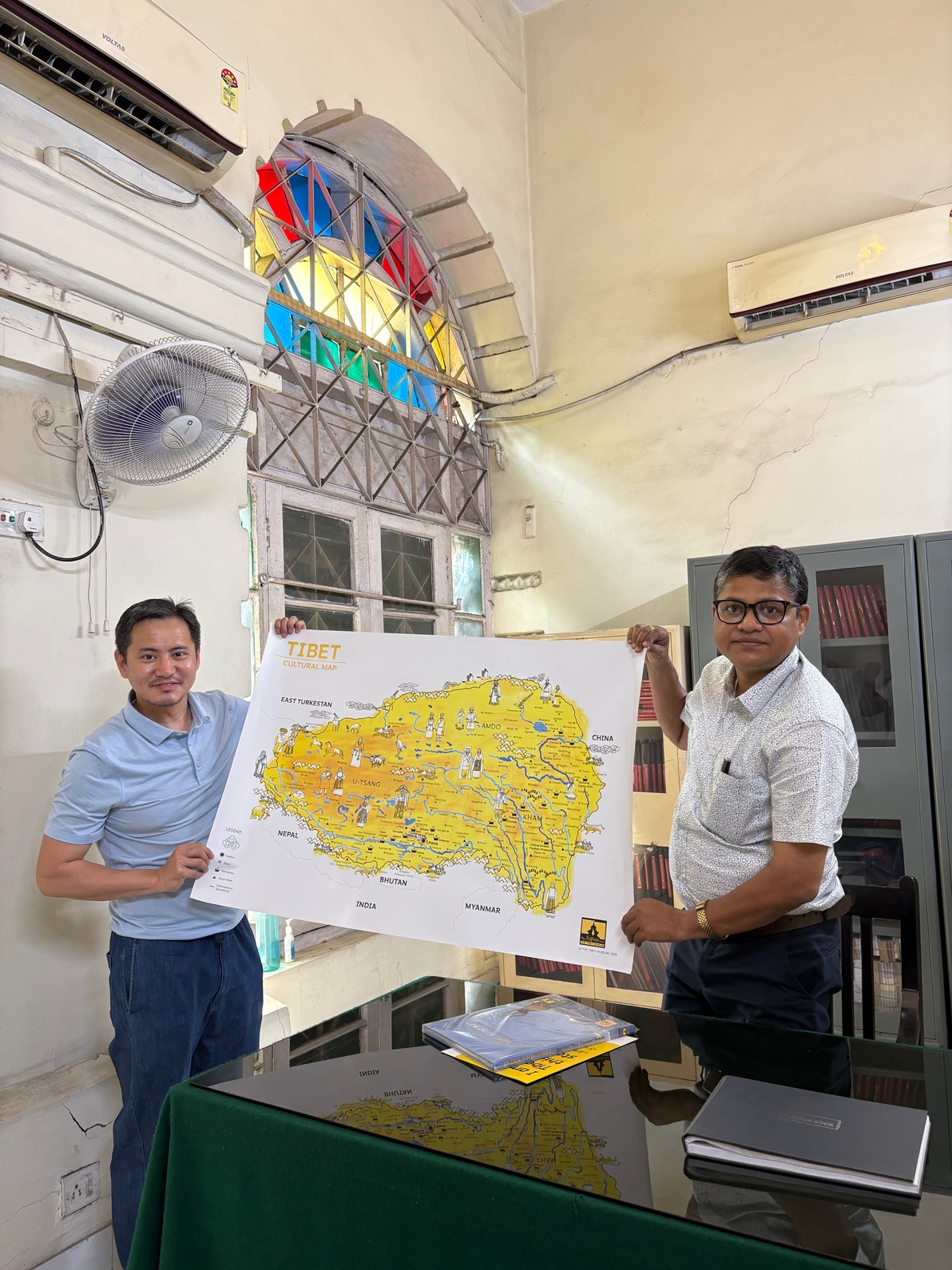
With this objective, the Tibet Museum team undertook a comprehensive and enriching one-week museum excursion to Kolkata. The journey was carefully designed to include visits to some of India’s most significant museums and cultural institutions, allowing the team to explore a wide range of themes including history, science, art, and social service.
Journey and Initial Visits
The team began their journey on 11 April, travelling overnight by bus to New Delhi, arriving early the following morning. On the same day, the team visited the National Museum, where they explored India’s rich cultural heritage through exhibits spanning from the Indus Valley Civilization to later historical periods. The Harappan Gallery and Buddhist art section were particularly insightful, offering a deeper understanding of ancient life and spiritual traditions.
Exploring Kolkata’s Museums and Cultural Landmarks
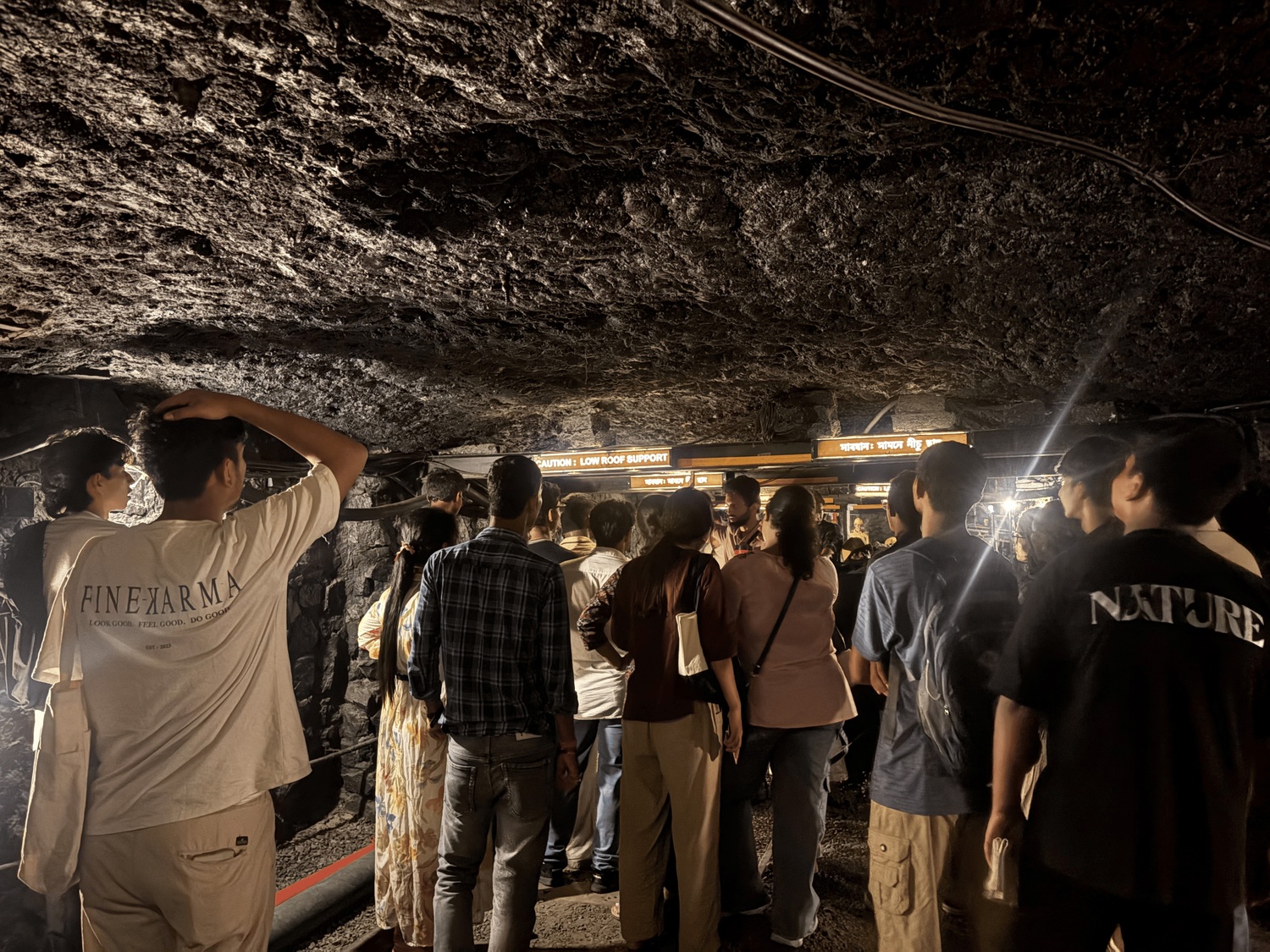
On 13 April, the team flew to Kolkata, marking the beginning of the main phase of the excursion. The following day, they visited the Birla Industrial and Technological Museum, where interactive exhibits made complex scientific concepts engaging and accessible. The Coal Mine show stood out as a highly immersive experience, providing a realistic glimpse into underground mining.
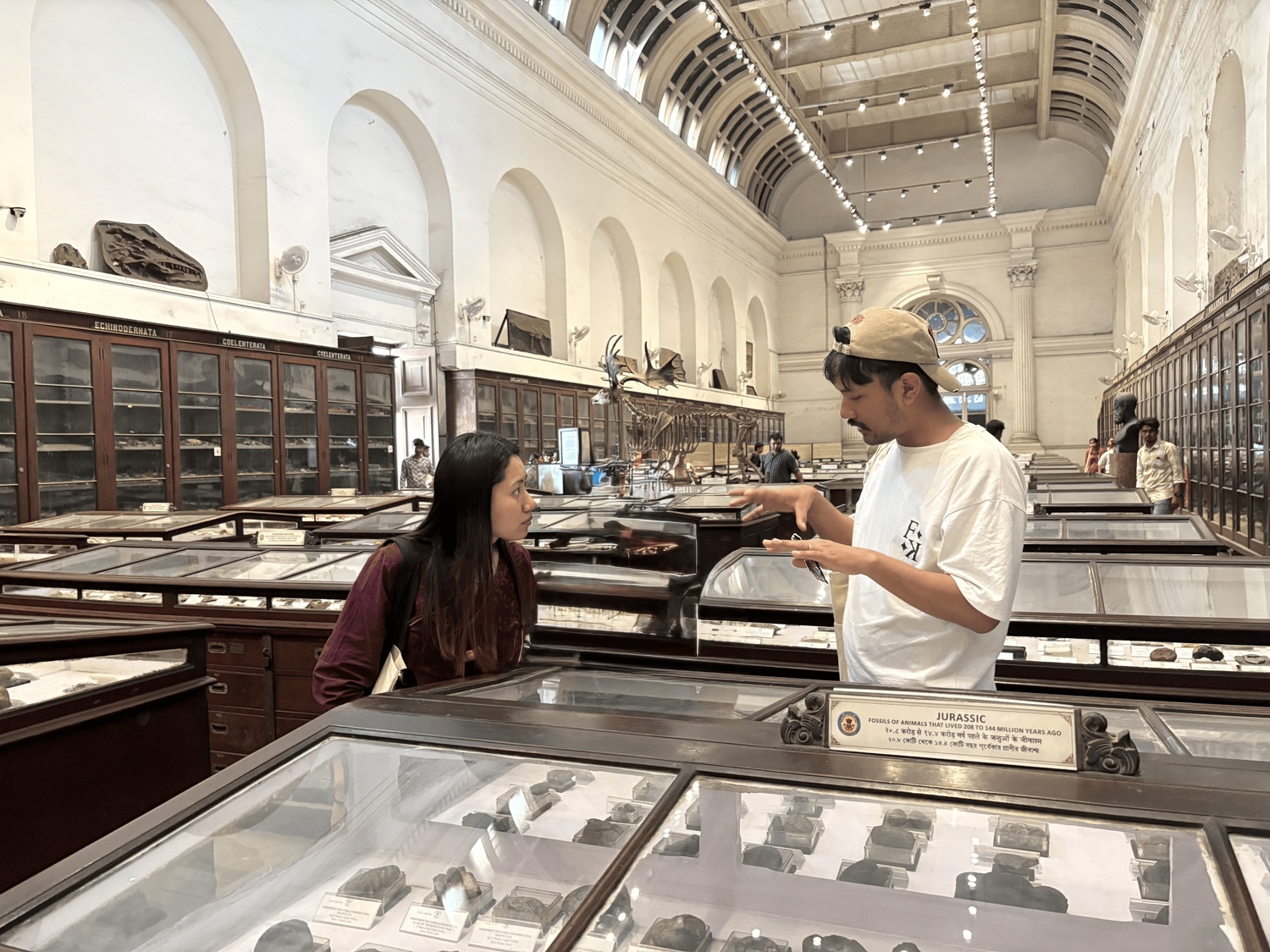
Later, the team explored the Indian Museum, whose vast collection of sculptures, fossils, and historical artefacts offered a captivating journey through time. They also visited the iconic Howrah Bridge, an architectural landmark symbolizing the city’s dynamic energy.
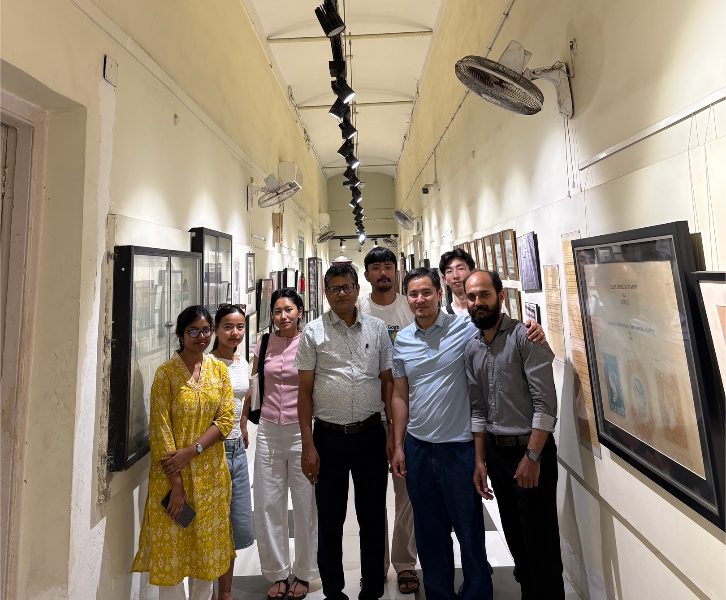
The next day included a visit to the Postal Museum and Philatelic Library at the General Post Office, where the team learned about the evolution of communication through rare stamps and historical materials. This was followed by a visit to the Academy of Fine Arts, which showcased a diverse range of artistic expressions, enhancing appreciation for both traditional and contemporary art.
Learning Through Heritage and Service
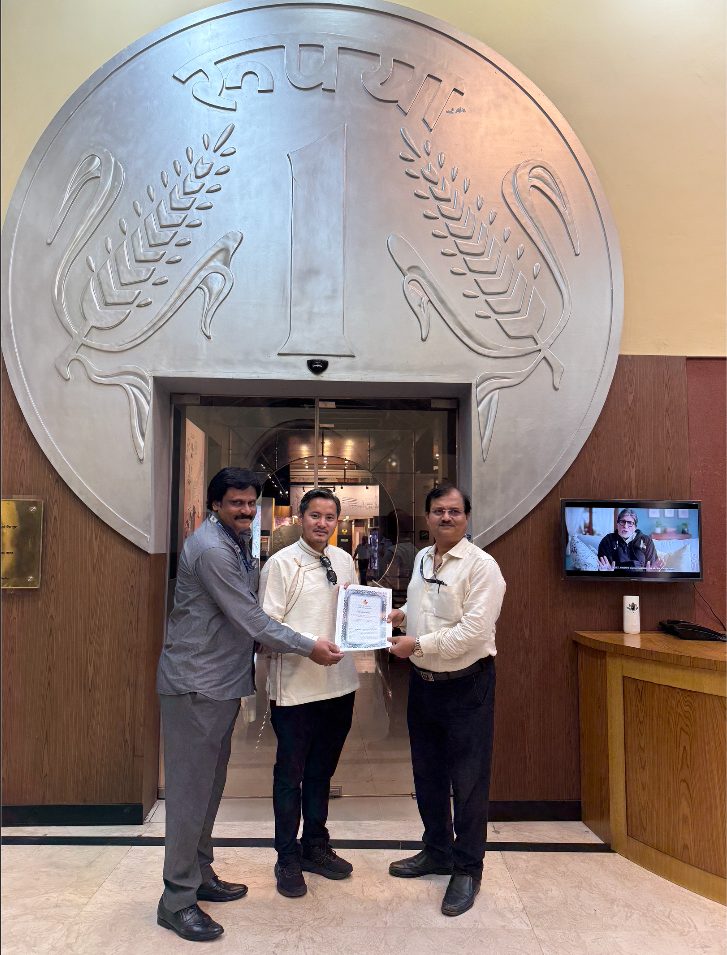
On 16 April, the team visited Mother Teresa House, where the simplicity and peaceful atmosphere offered a powerful reflection on compassion, humility, and service. They then visited the RBI Museum, gaining insights into India’s economic history and the evolution of currency.
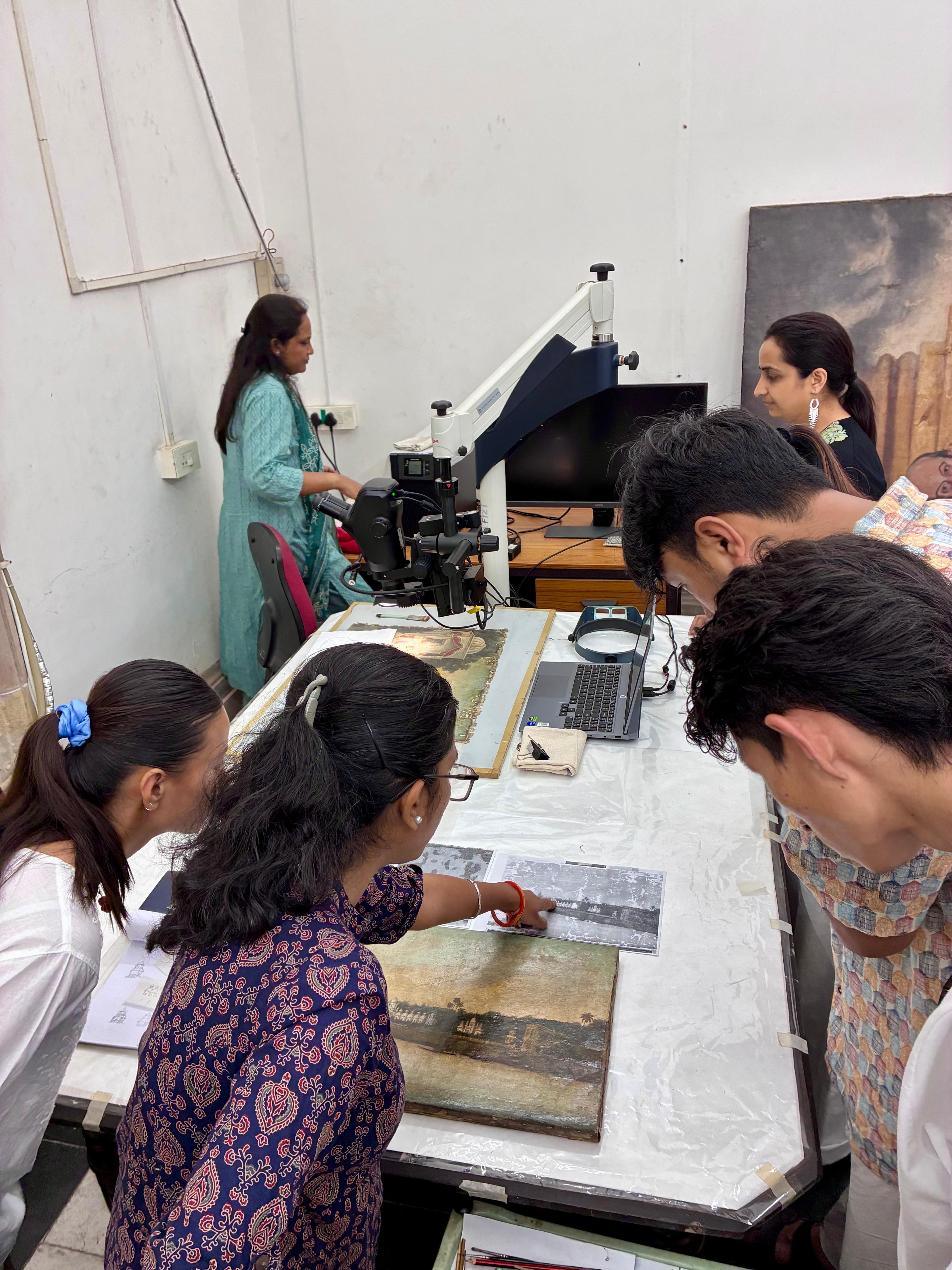
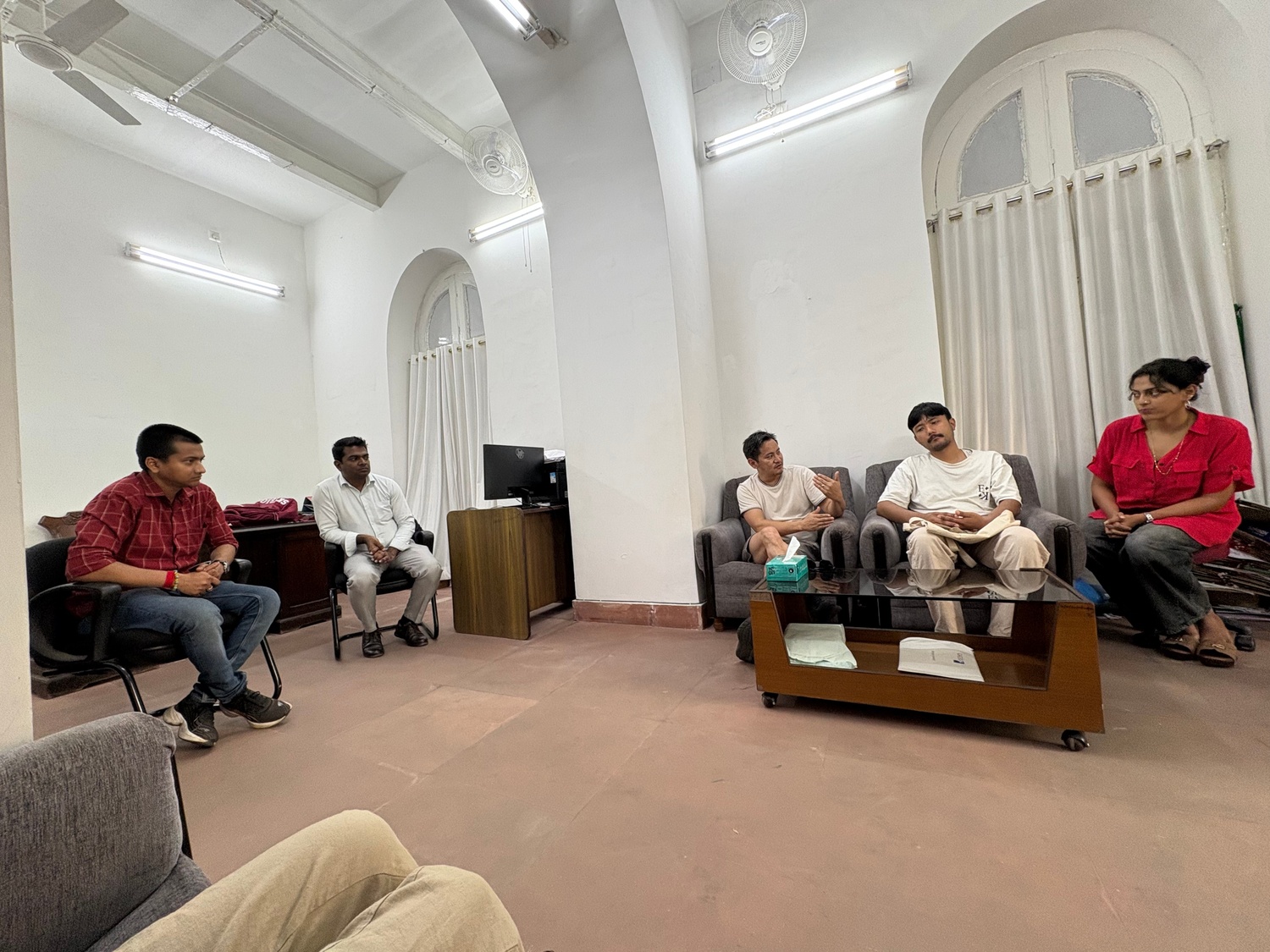
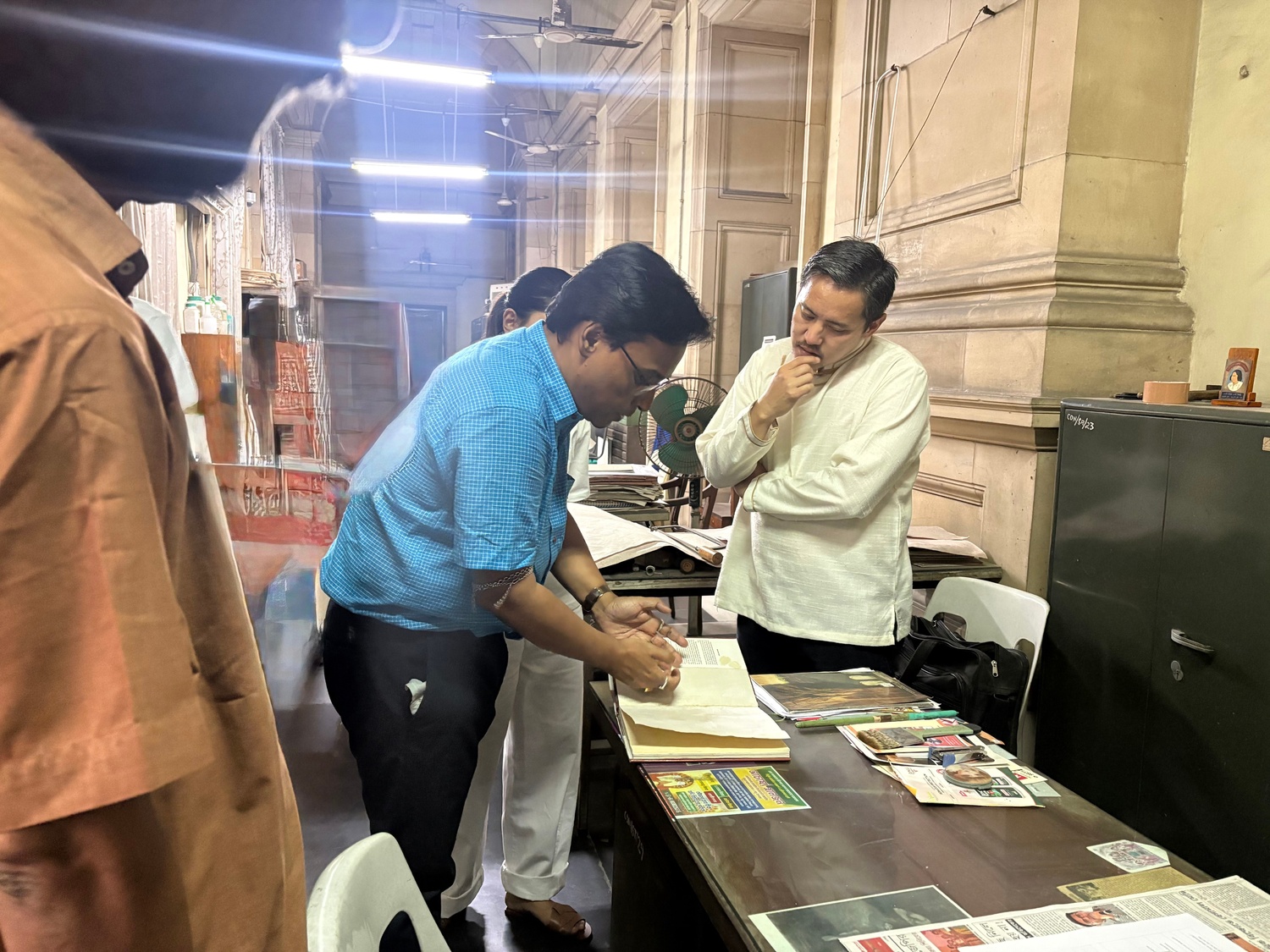
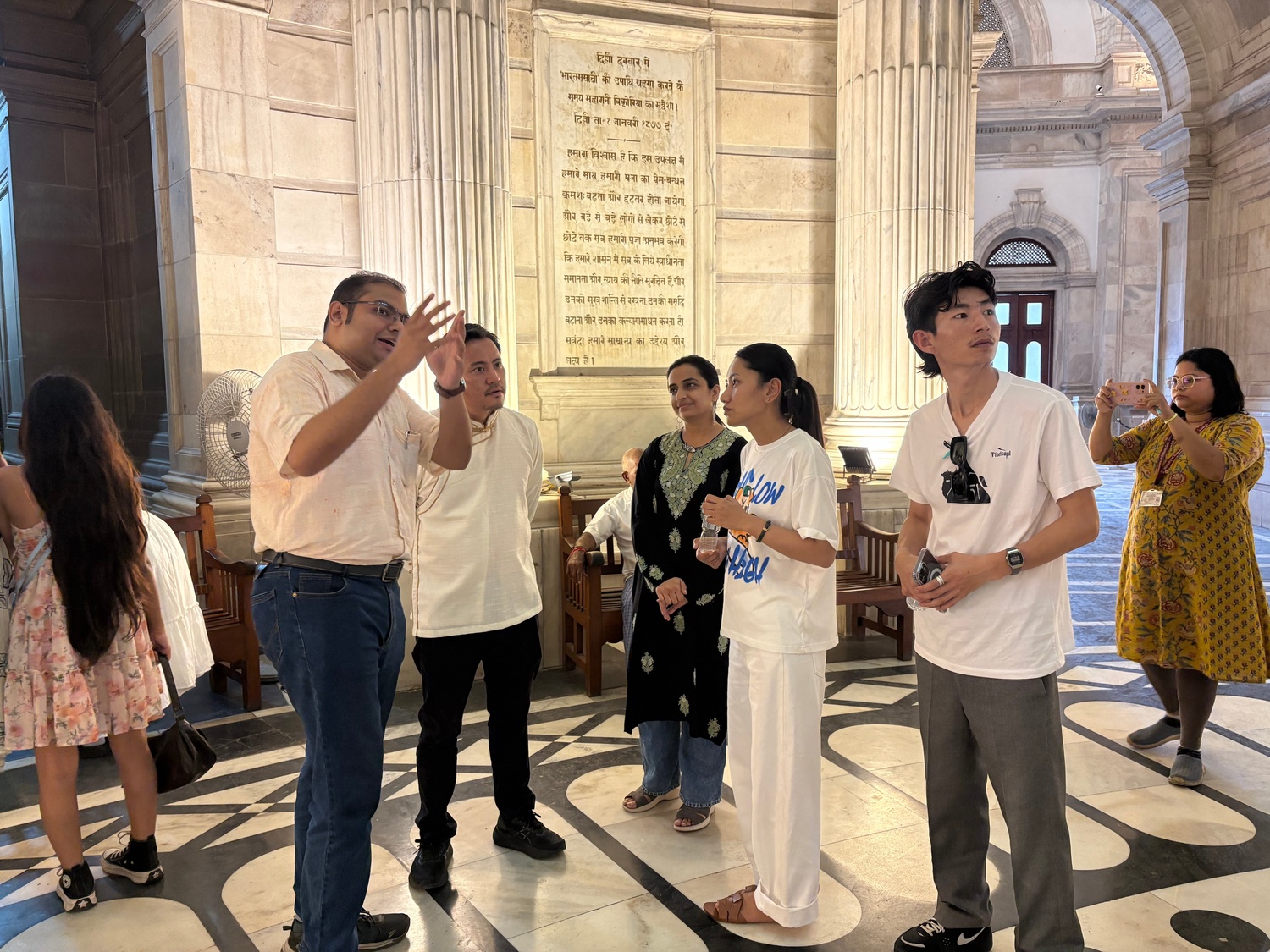
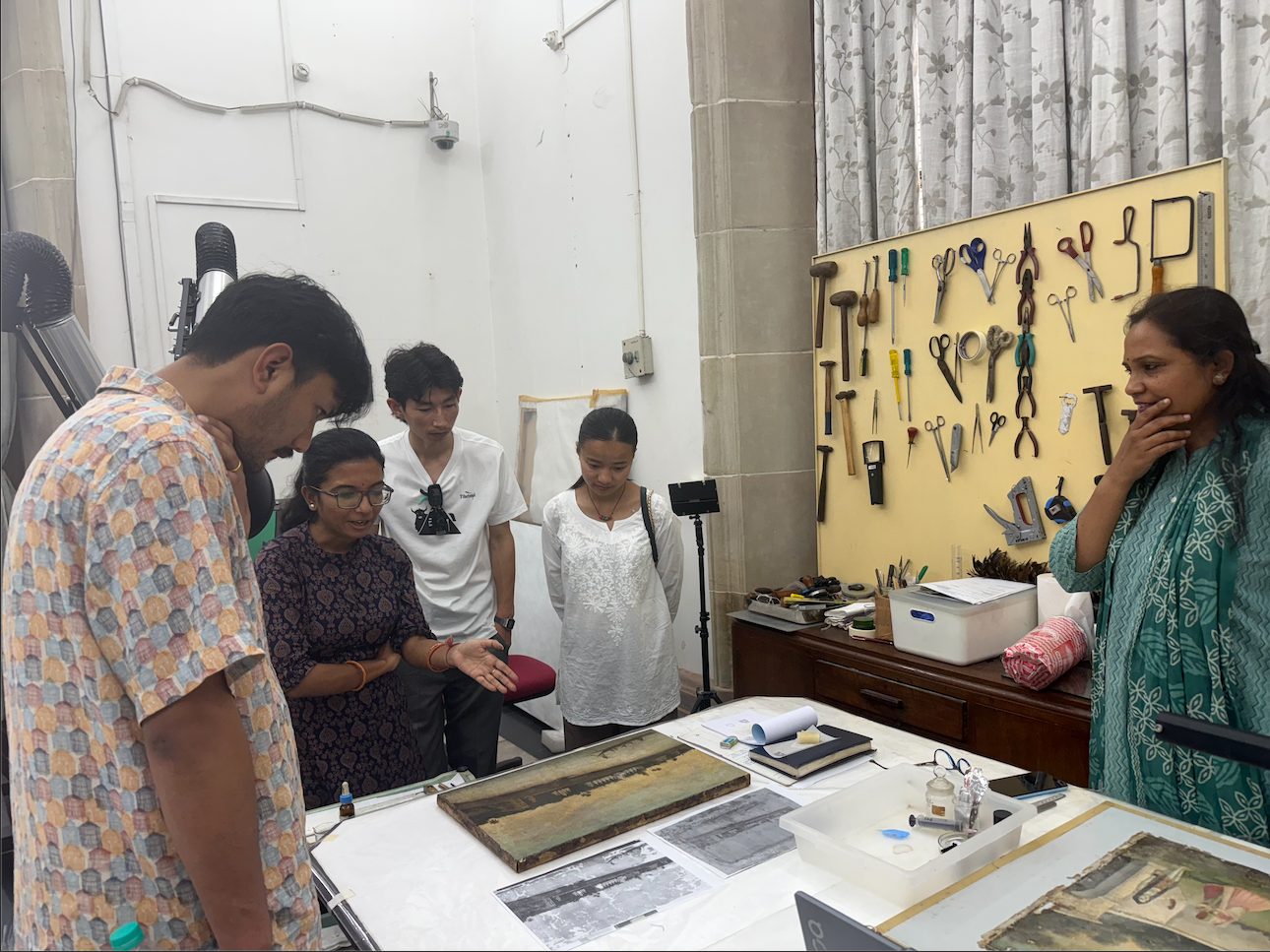
Later, the team visited the grand Victoria Memorial, where they had the valuable opportunity to interact with conservation, restoration, and collection management professionals. The team learned about scientific conservation processes, including preventive care and restoration techniques for various materials. One particularly noteworthy practice was the quarantine process for newly acquired objects, where items are isolated for 21 days—aligned with the life cycle of insects—to prevent infestation before entering the collection.
They also gained insight into the systematic process of collection acquisition, including documentation, authentication, assessment, and conservation planning.
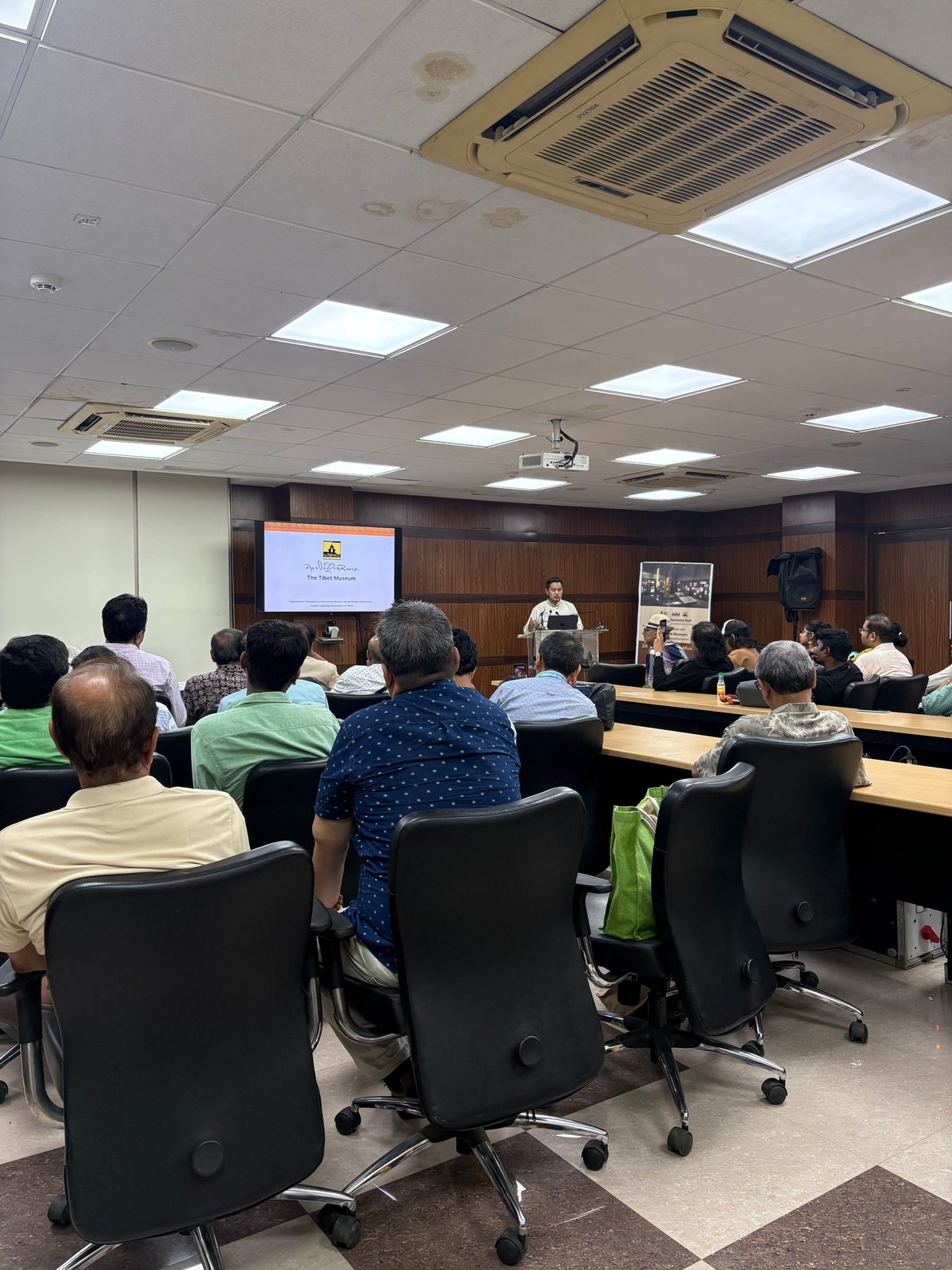
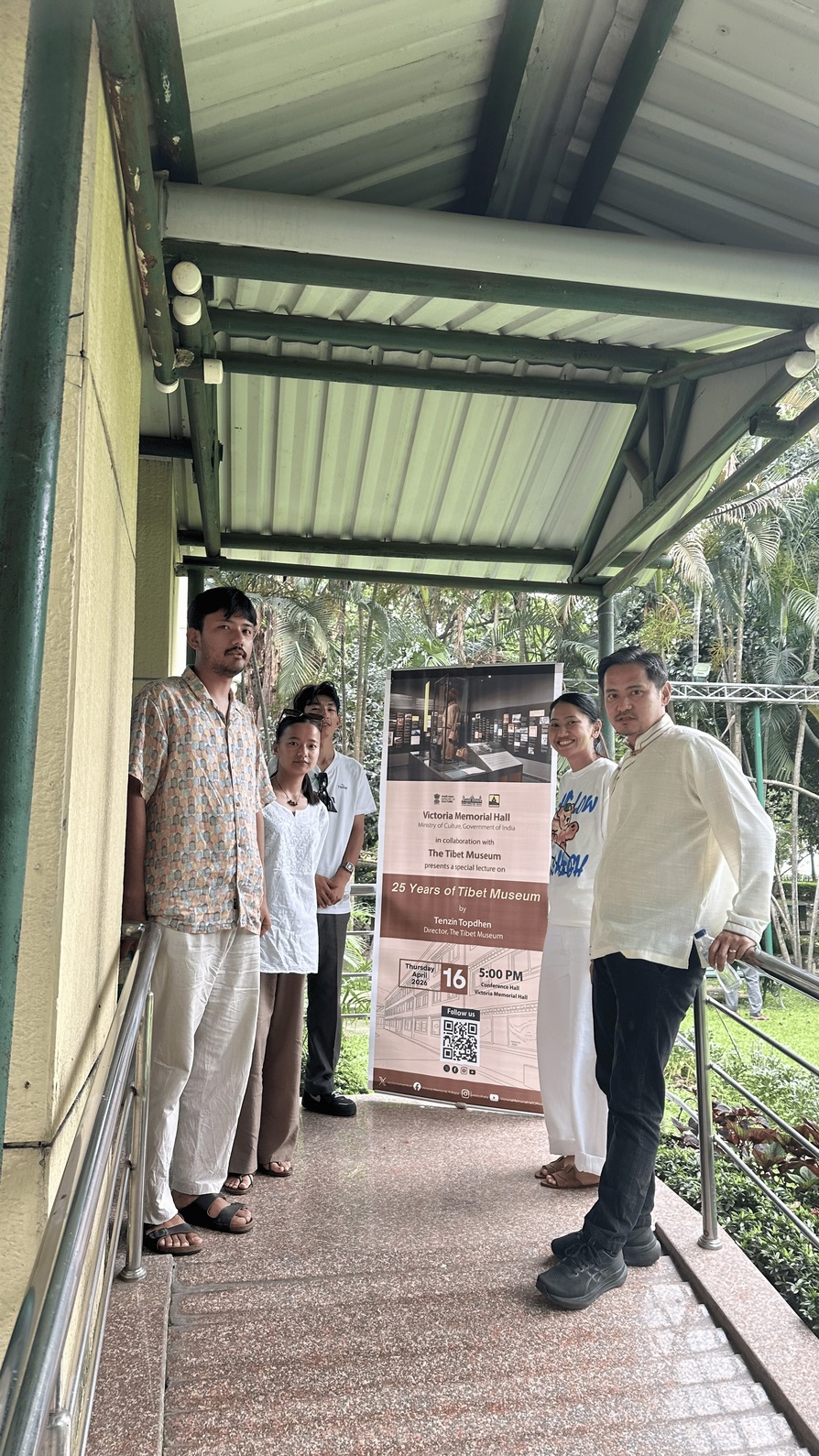
In this historic setting, the Director of the Tibet Museum delivered an inspiring presentation titled “25 Years of the Tibet Museum and Tibet.” The presentation highlighted the museum’s journey, achievements, and future vision, leaving a lasting impression and becoming one of the most memorable moments of the excursion.
Final Visits and Conclusion of the Journey
On 17 April, the team visited Science City, a dynamic and engaging space where interactive exhibits created a vibrant blend of education and entertainment.
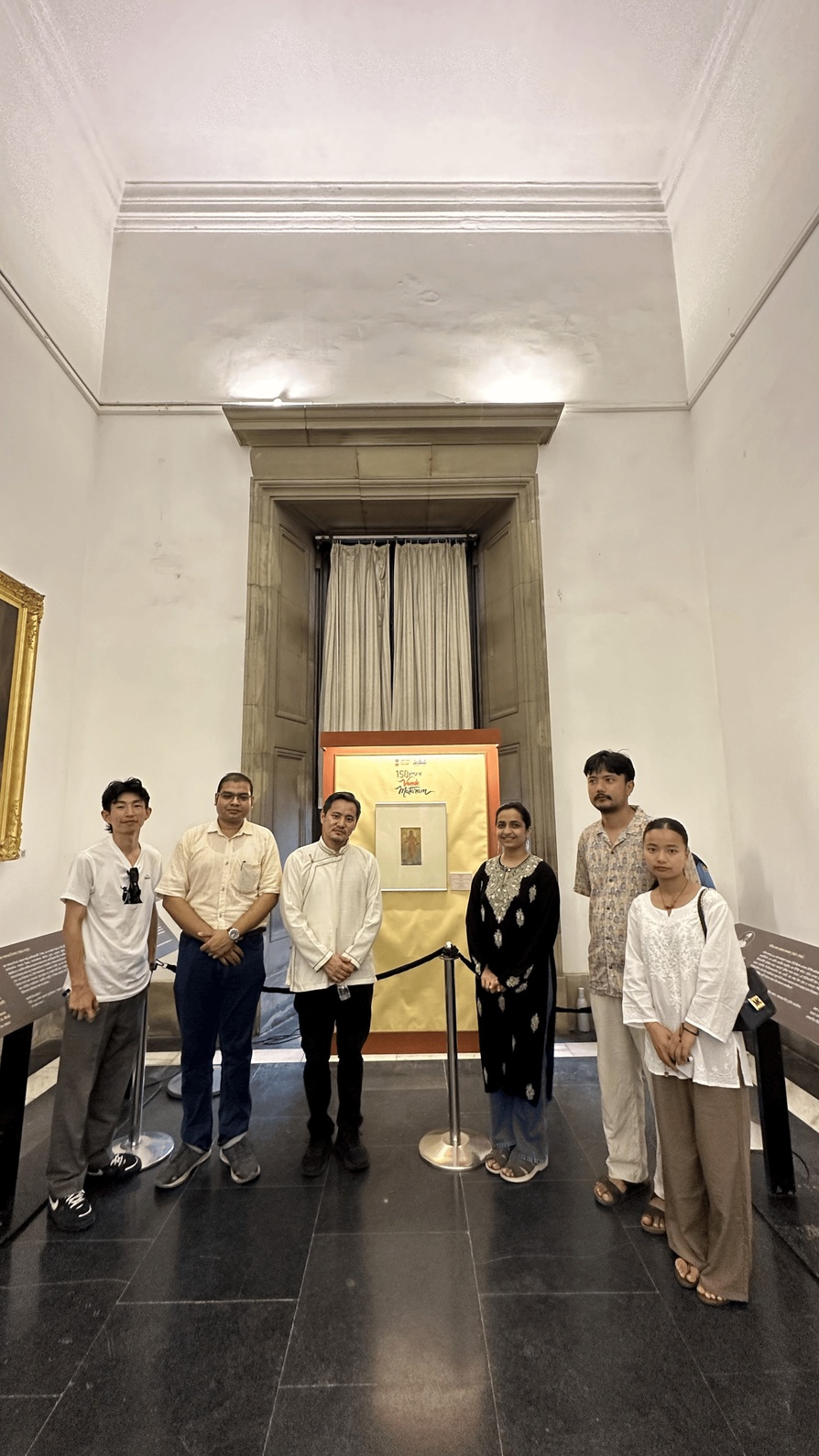
That evening, the team returned to New Delhi. On 18 April, they visited an exhibition of the Piprahwa relics of Lord Buddha, brought back to India in 2025. Viewing the relics and associated jewels up close provided a profound and meaningful conclusion to the journey. The exhibition, with its detailed interpretation and depiction of the stupa, offered deep insight into the life and times of the Buddha.
Reflections and Impact
The museum excursion to Kolkata proved to be an अत्यन्त enriching and insightful experience for the Tibet Museum team. It provided exposure to a wide range of museum practices, including interactive exhibition design, effective storytelling, and innovative audience engagement strategies.
Each institution offered unique perspectives, deepening the team’s understanding of how museums can educate, preserve, and connect with visitors. Beyond professional learning, the experience strengthened teamwork and collaboration, as shared observations and discussions helped shape a collective vision for enhancing the Tibet Museum’s future initiatives.
The excursion not only broadened professional knowledge but also inspired the team to bring greater creativity, innovation, and impact to their work—further strengthening the Tibet Museum’s role as a dynamic institution dedicated to preserving and sharing Tibetan history and culture.