Tibet awareness talk series on Thirty Years of peregrinations on Tibet’s Frontier
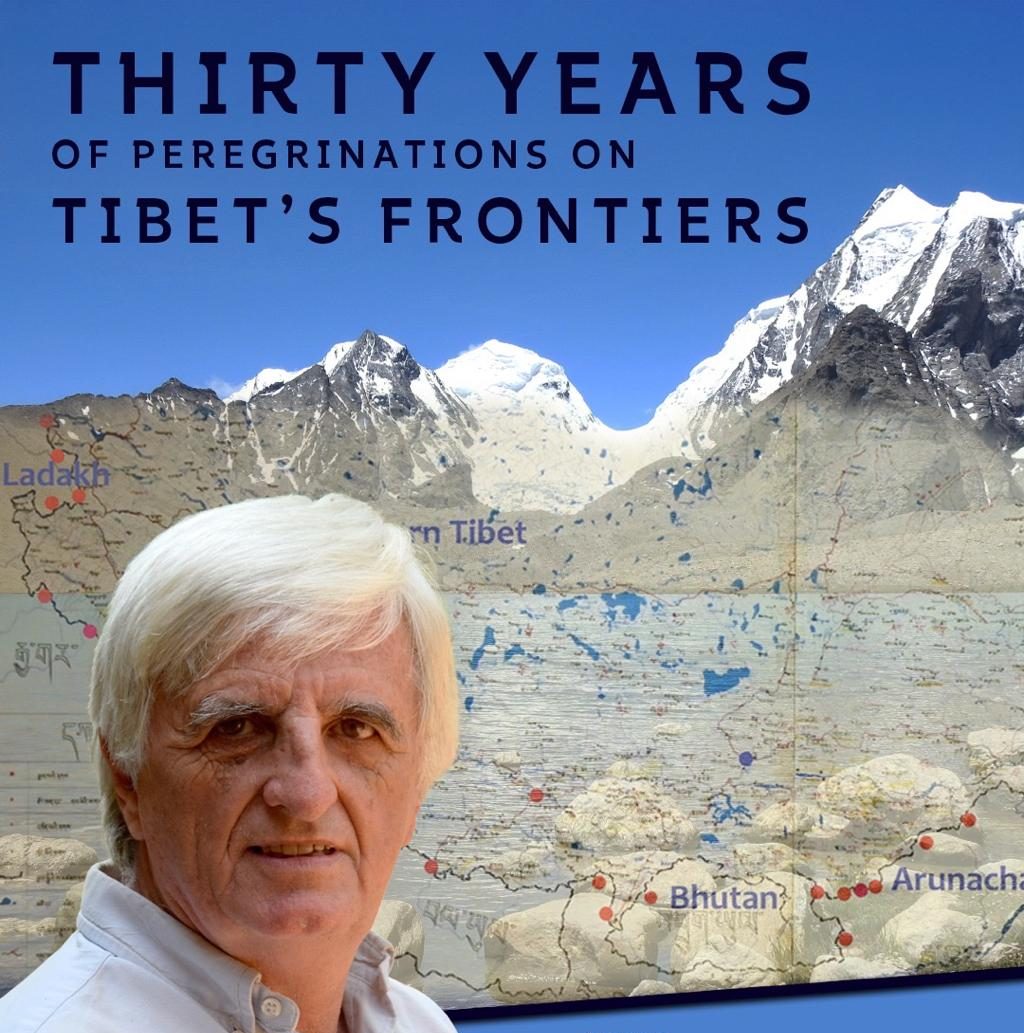
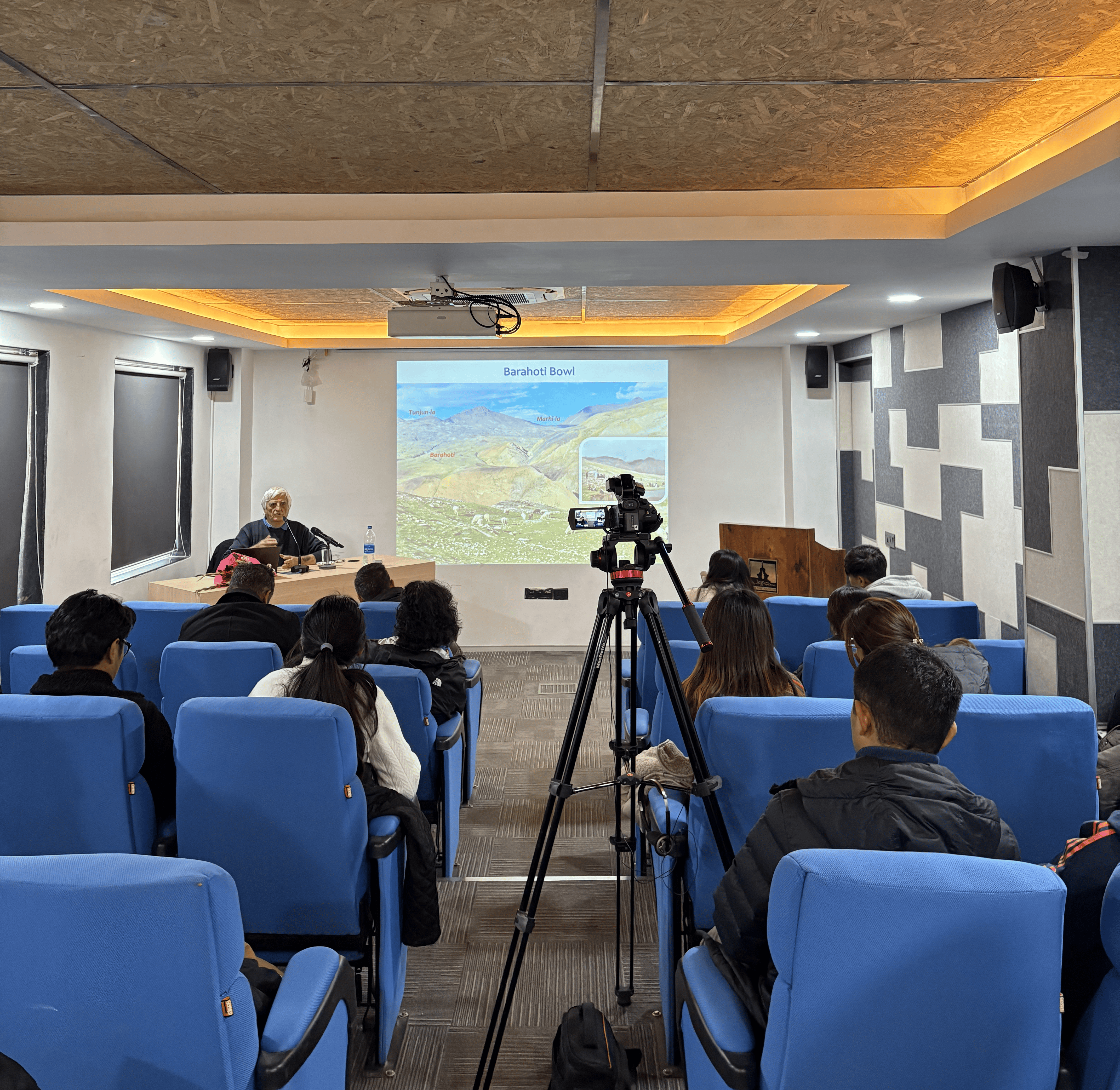
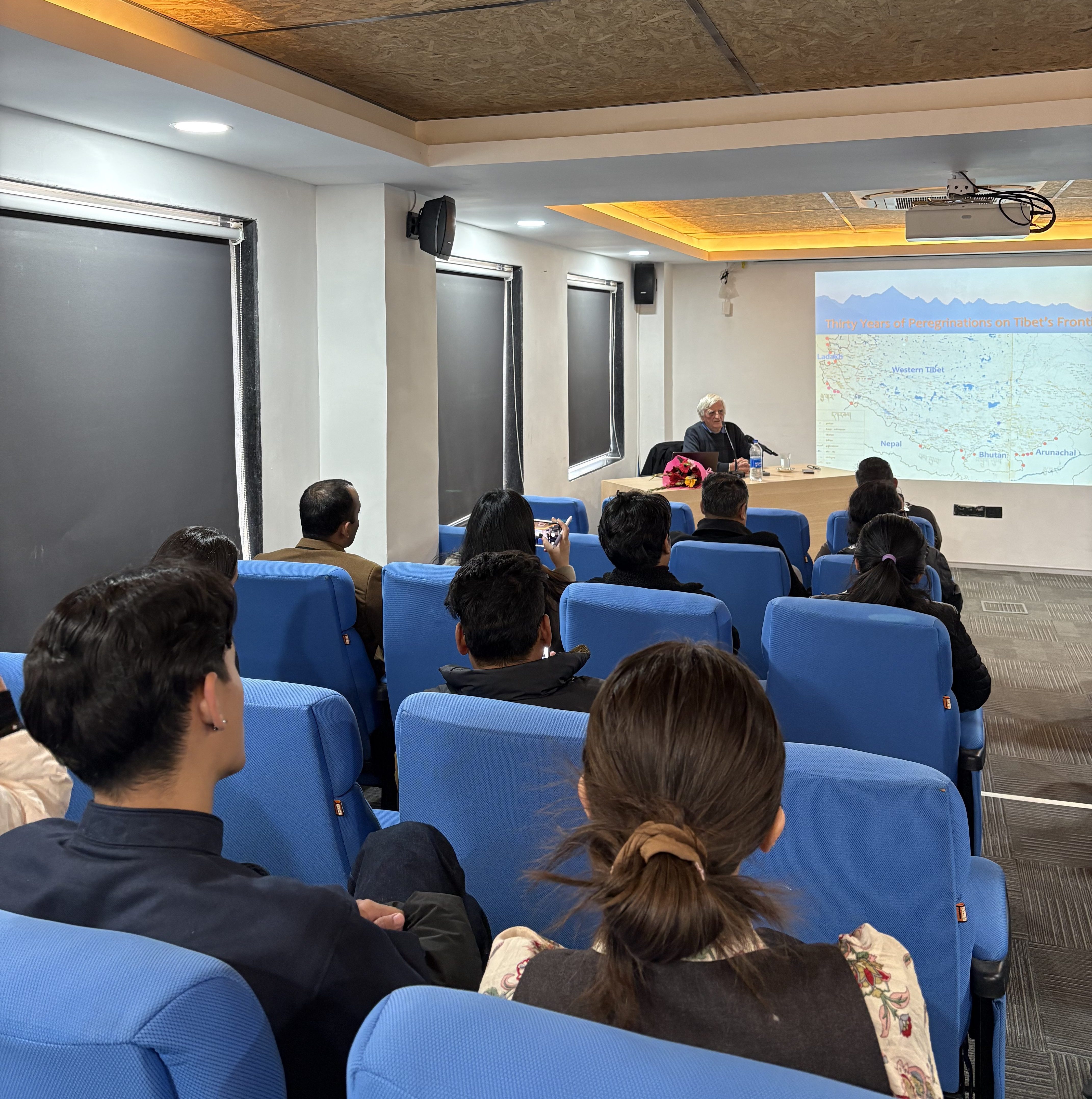
On January 7, 2026, The Tibet Museum organized its monthly Tibet Awareness Talk Series featuring the distinguished writer and Tibetologist, Mr. Claude Arpi. The talk, titled “Thirty Years of Peregrinations on Tibet’s Frontier,” provided a rare look into the historical, geopolitical, and human dimensions of the region.
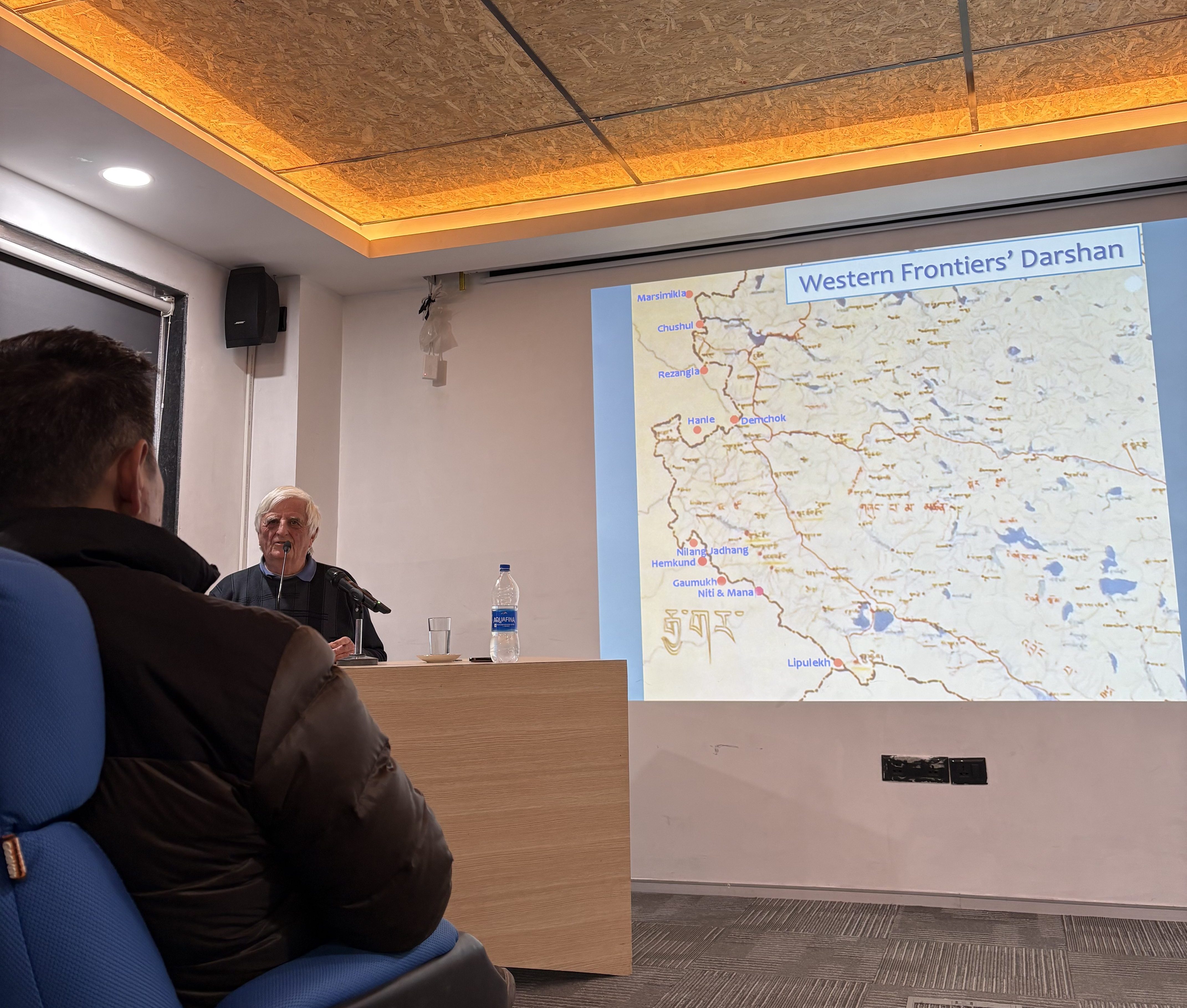
Mr. Arpi opened the session by discussing the ancient, once-fluid relationship between the Indian Himalaya and Tibet. He noted that while the two regions still share a 3,000-kilometer border, stretching from the heights of Ladakh to eastern Arunachal Pradesh, the physical and political landscape has shifted. What were once open passes for pilgrims and traders are now rigid, highly militarized “lines” that prevent the traditional flow of culture and commerce.
Drawing from over three decades of travel along the edge of the Tibetan plateau, often accompanied by his wife, Abha, Arpi presented a visual journey he calls “Tibet Darshans.” Slides took the audience from the Lohit Valley (1,000m) to the sacred Gurudongmar Lake in Sikkim (5,500m).
Despite the varying terrain, Arpi emphasized a painful commonality: at every contact point, the Tibetans on the other side live under occupation, isolated from their neighbors in the Indian Himalaya.
Arpi traced the roots of today’s border tensions back to the 1950 invasion of Tibet and the subsequent 1959 exile of His Holiness the 14th Dalai Lama. He reflected on how centuries of peace have been replaced by frequent stand-offs between the Indian Army and the People’s Liberation Army (PLA), making it one of the most sensitive regions in the world.
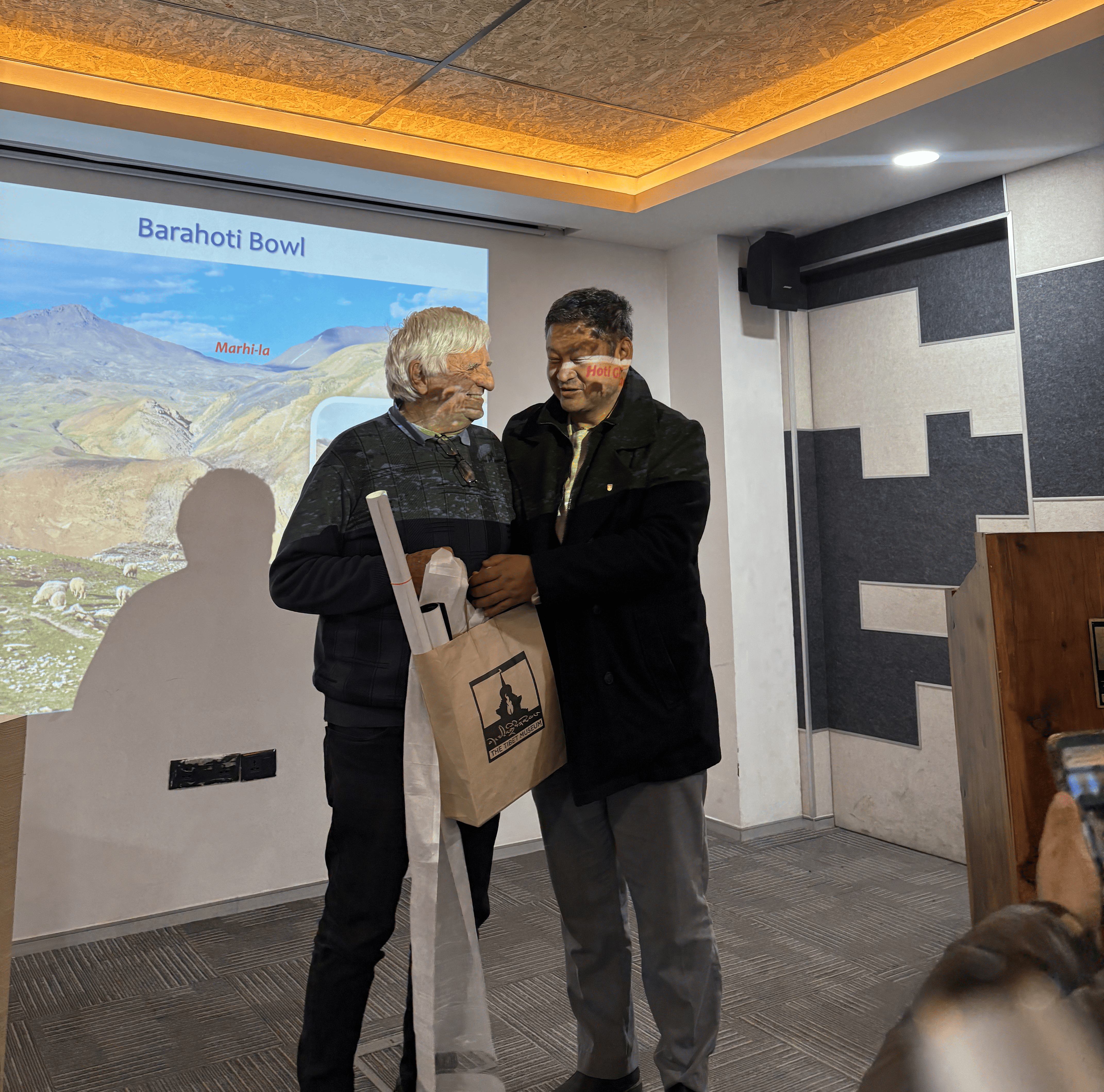
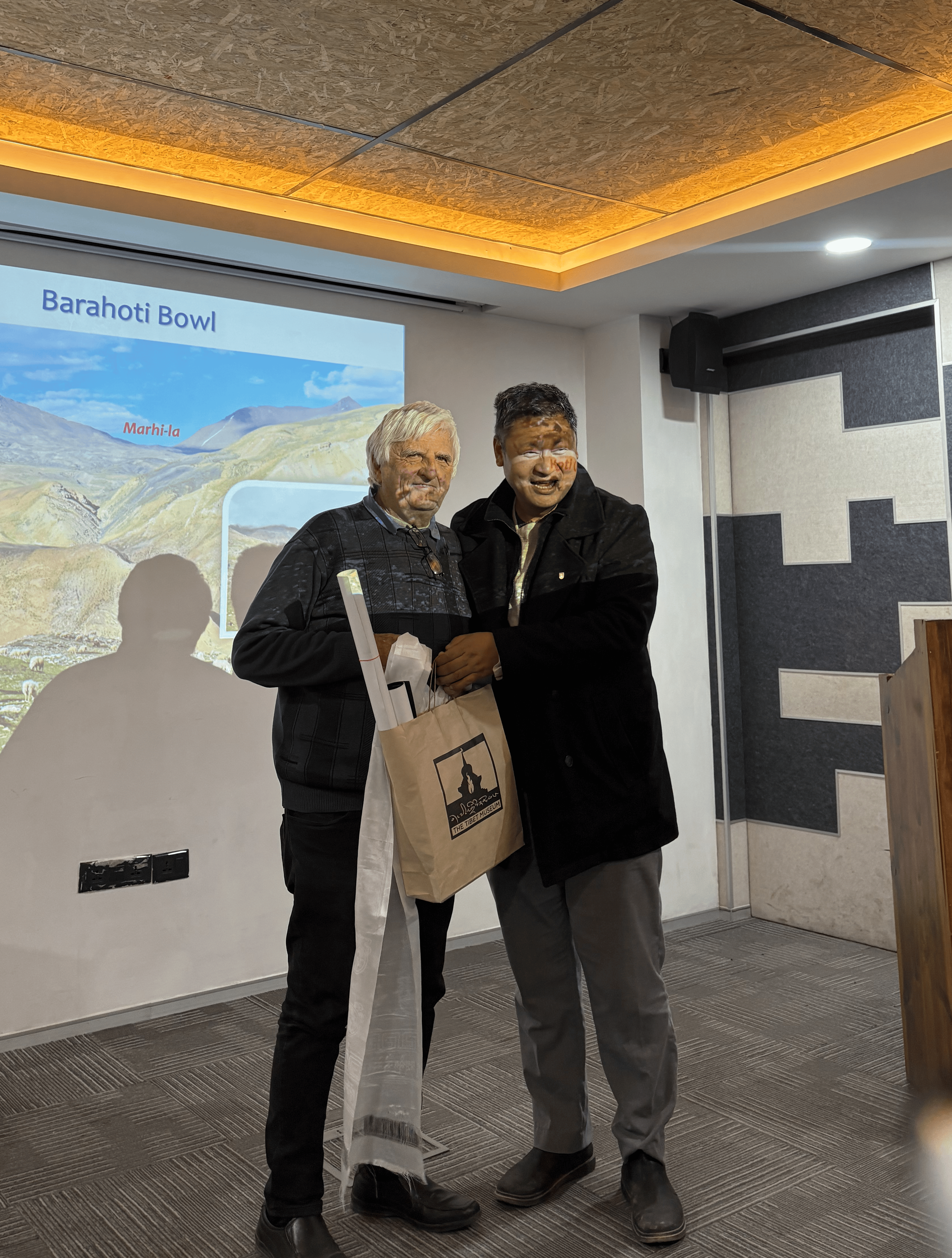
The event concluded with an interactive Q&A session, after which Mr. Tenzin Lekshay, the Additional Secretary of the Department of International Relations (DIIR) and CTA spokesperson, presented a souvenir to Mr. Arpi as a token of appreciation for his lifelong commitment to documenting Tibetan history.
The session successfully deepened the audience’s understanding of the frontier, reaffirming that memory and awareness are vital tools in preserving the story of Tibet.