International Tibetan Calligraphy Day
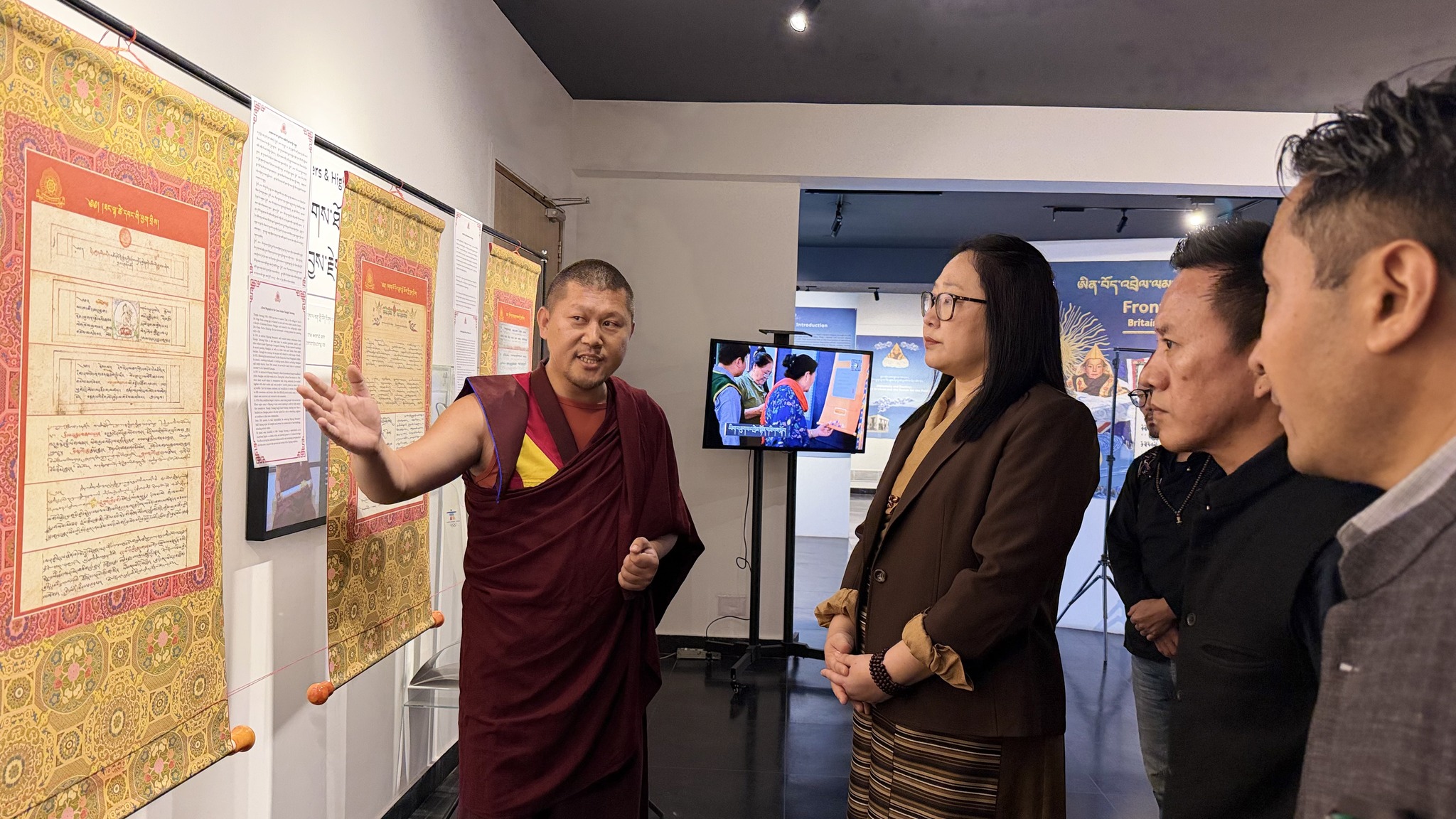
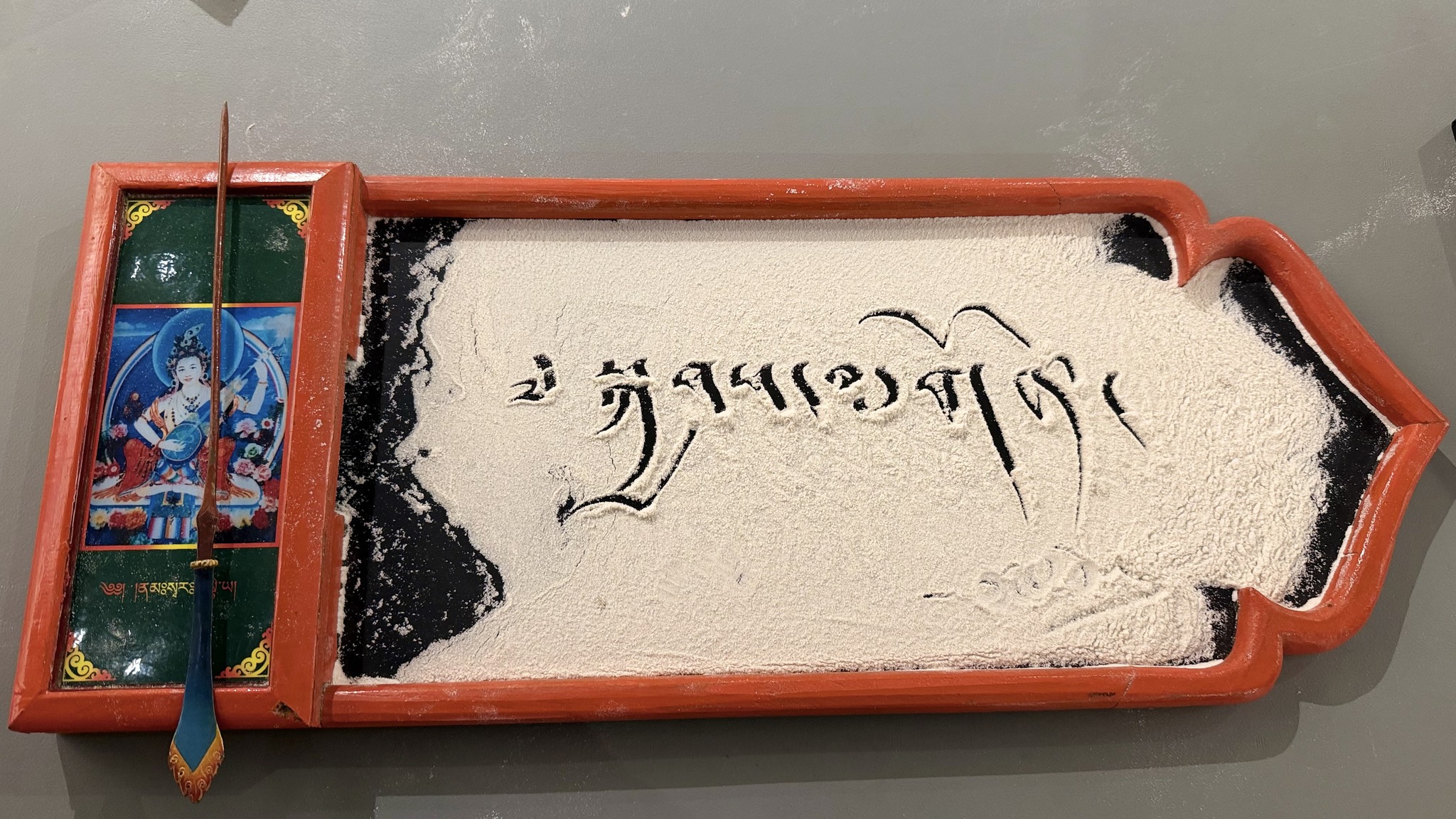
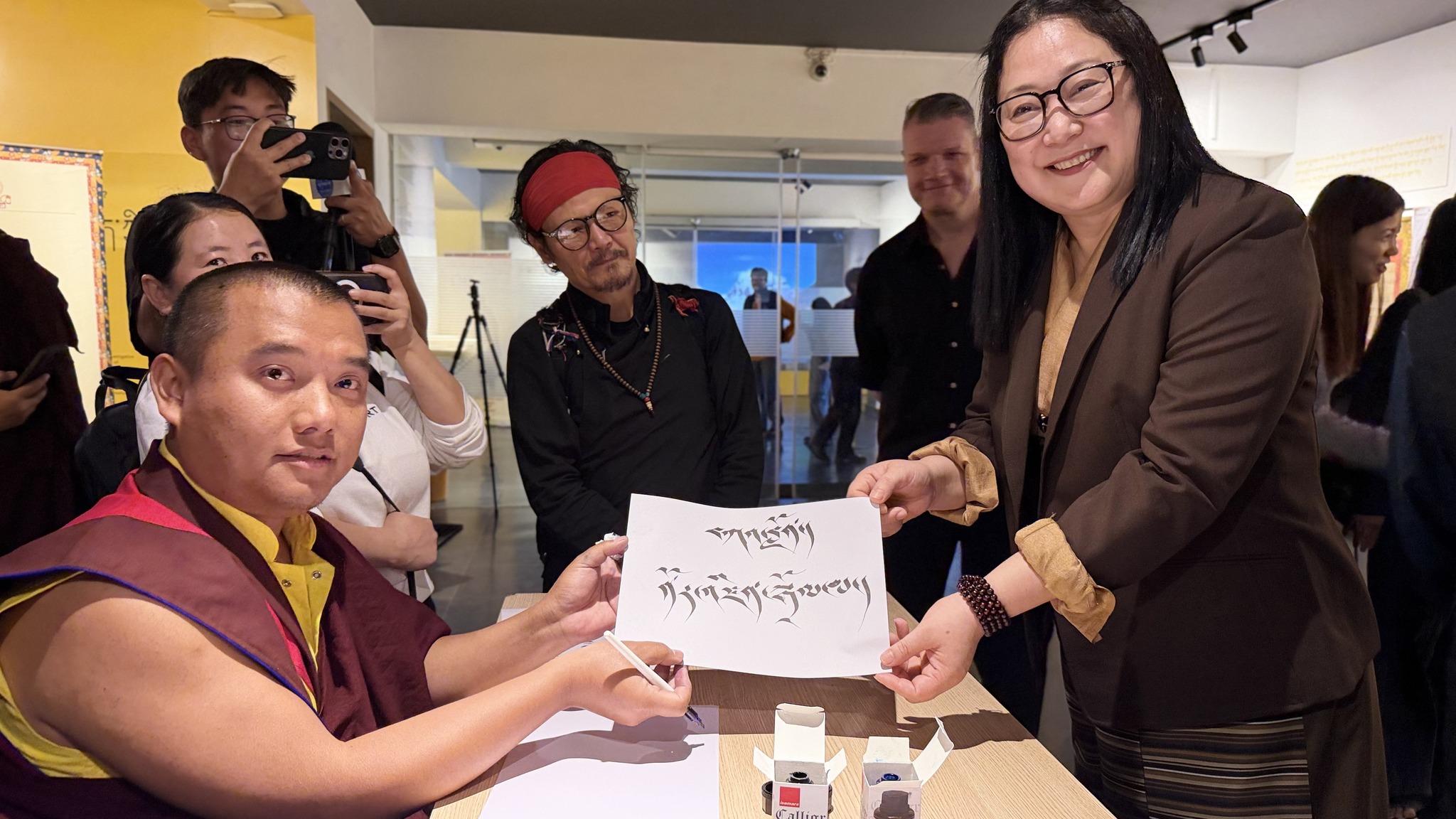
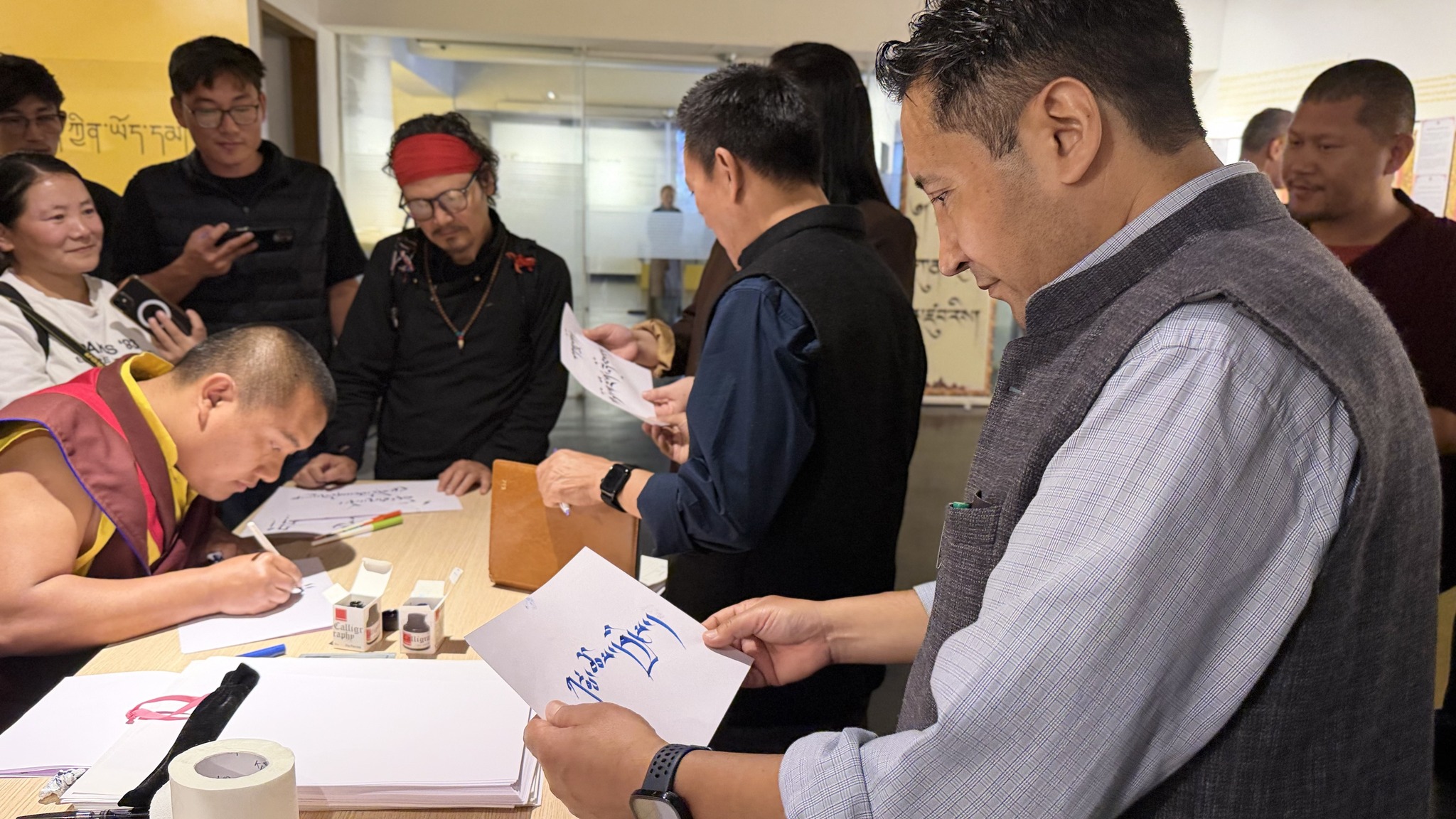
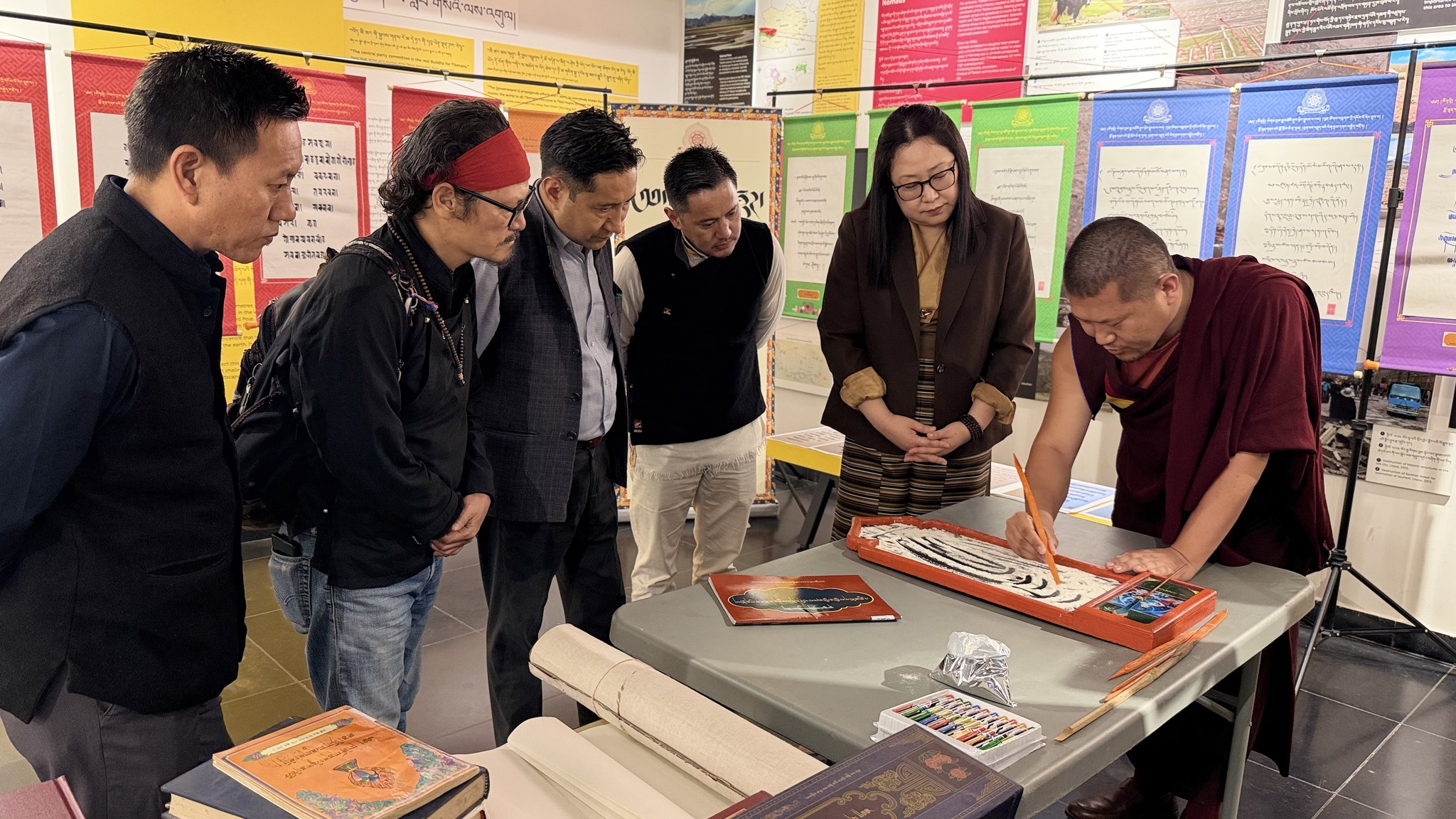
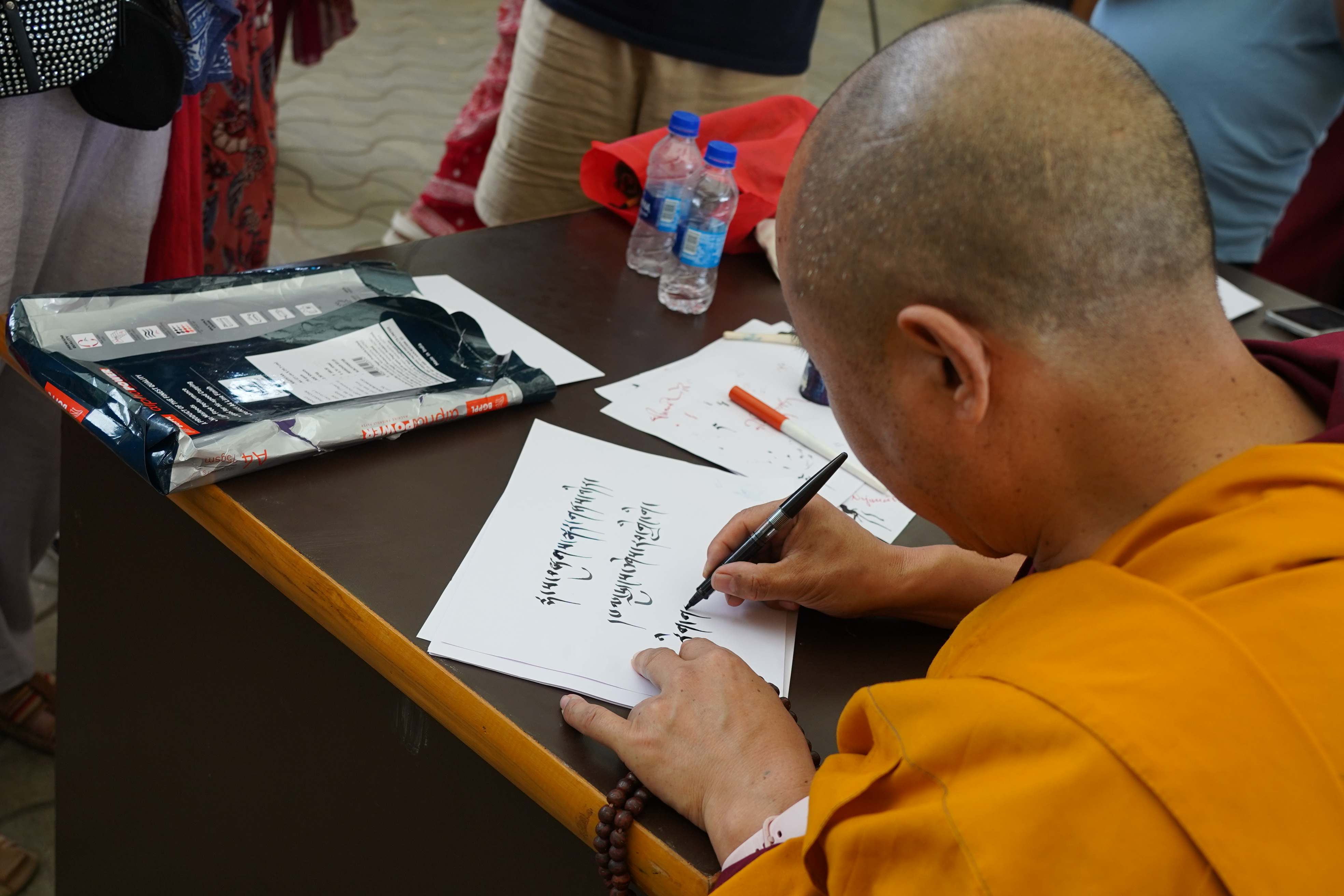
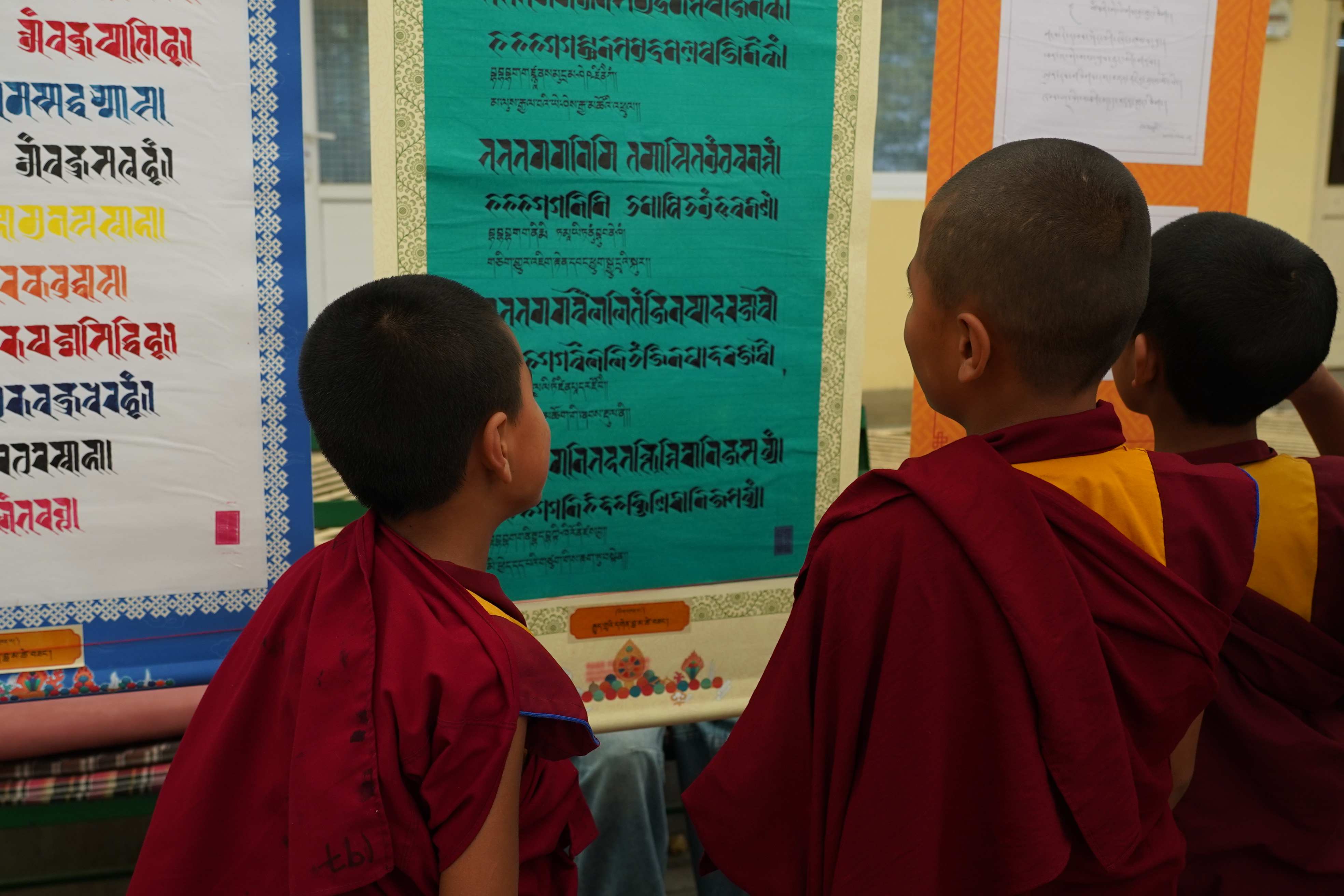
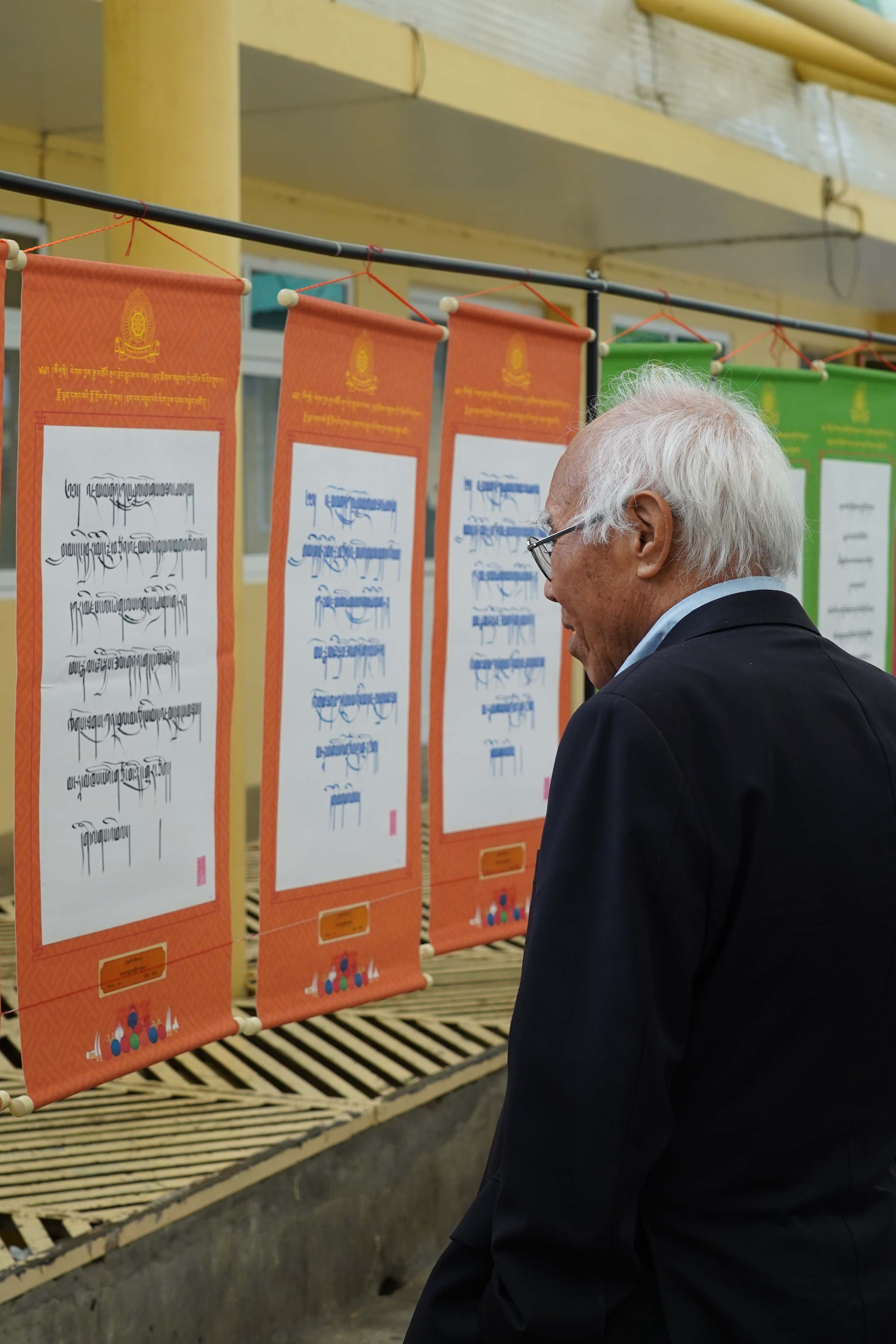
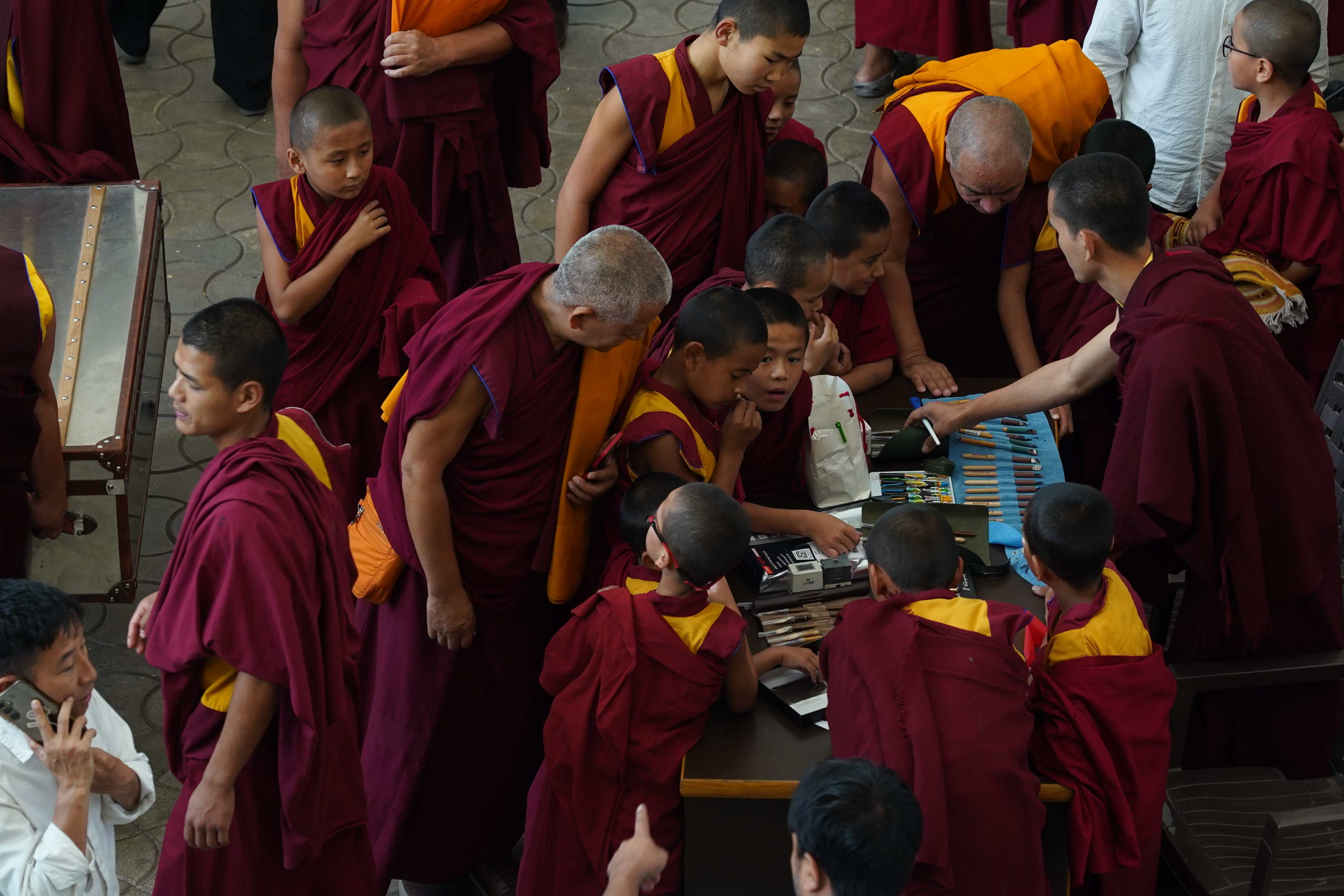
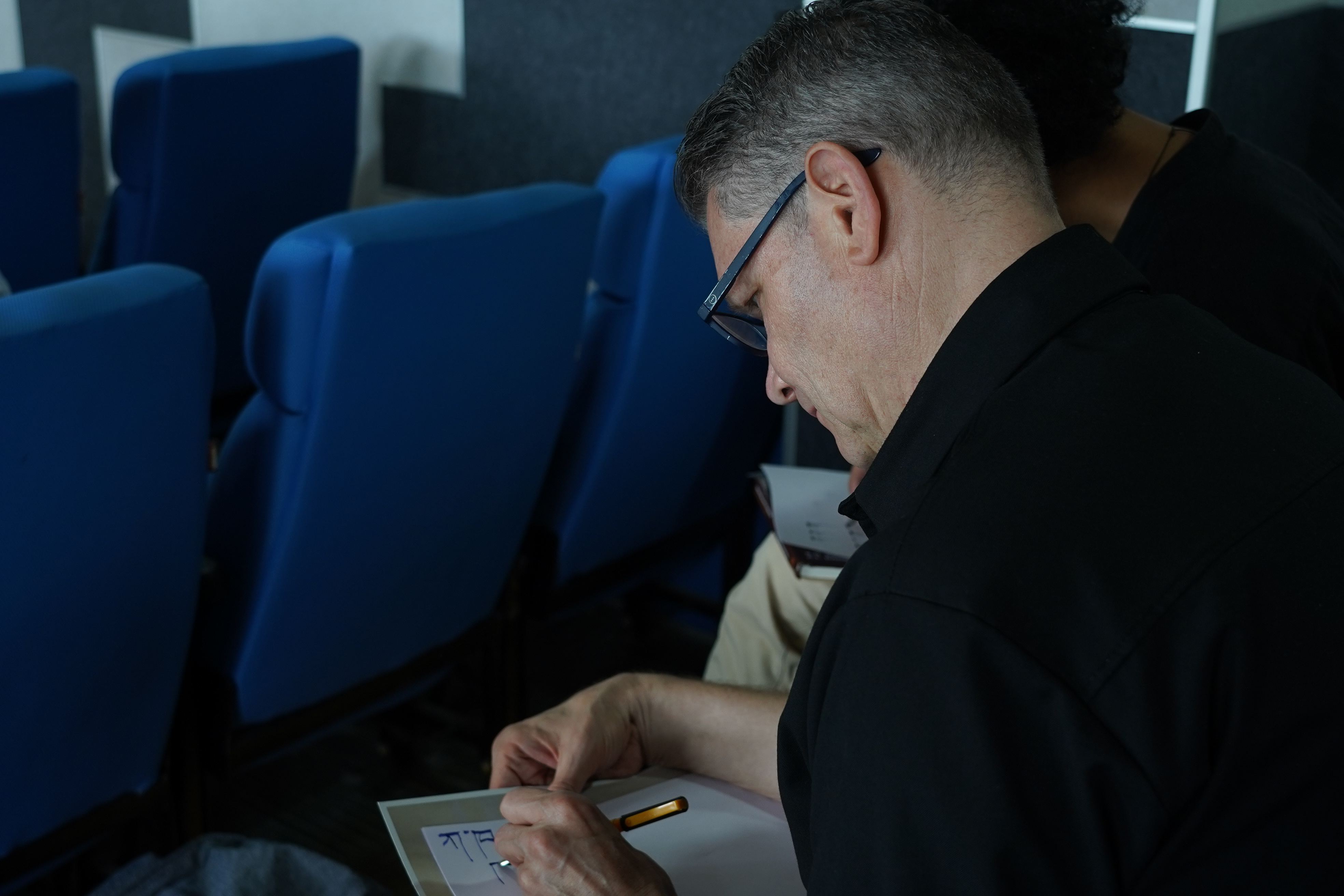
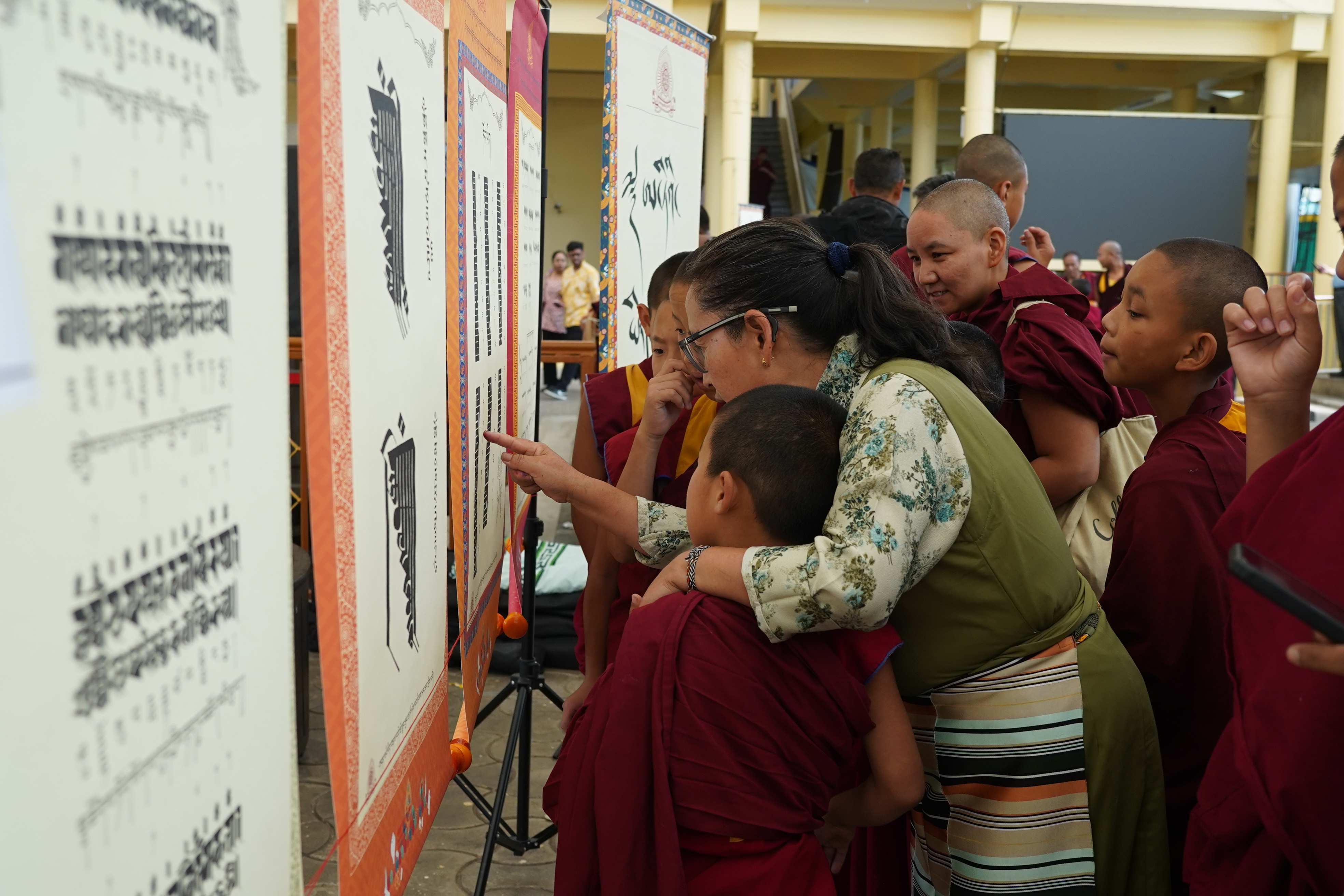
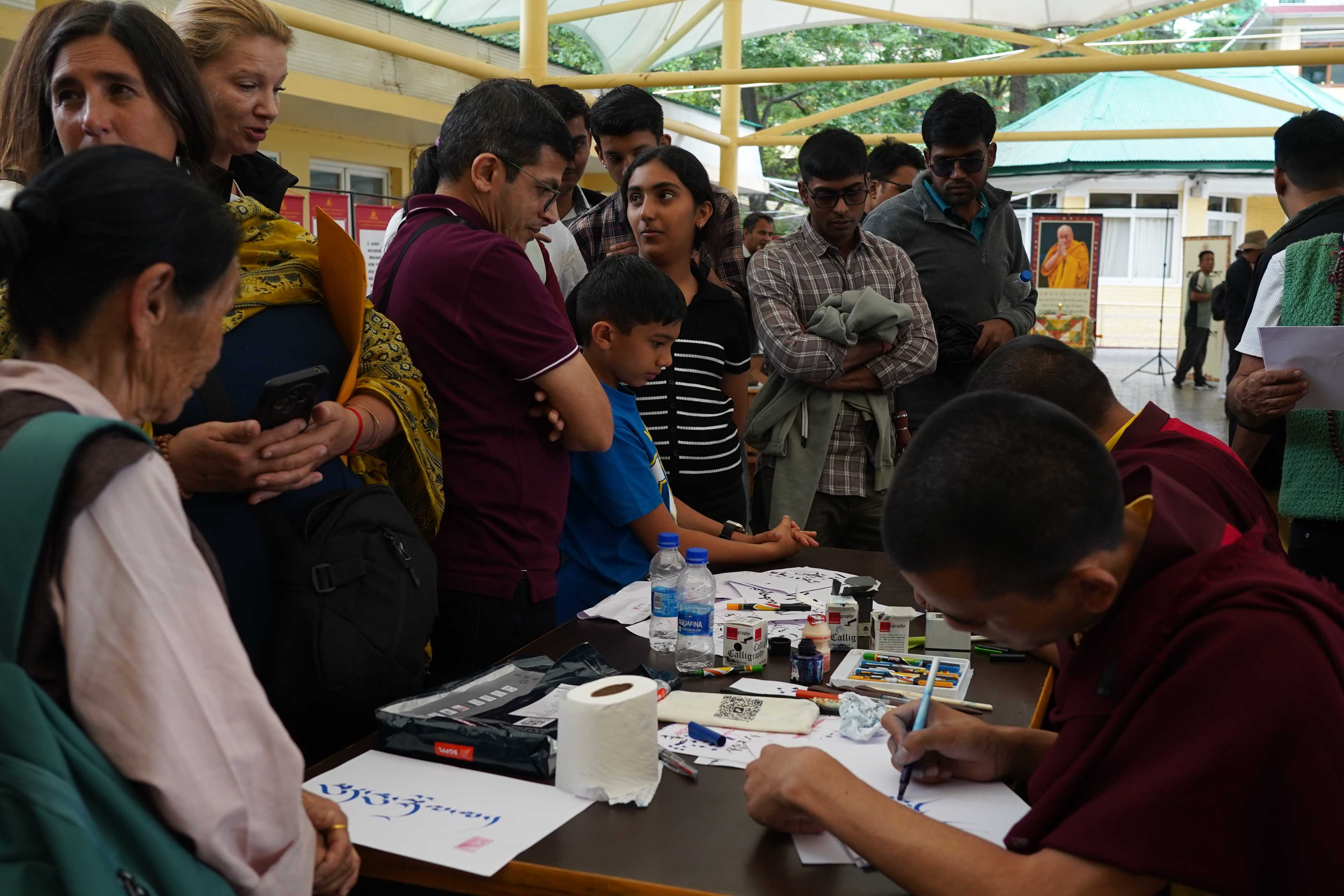
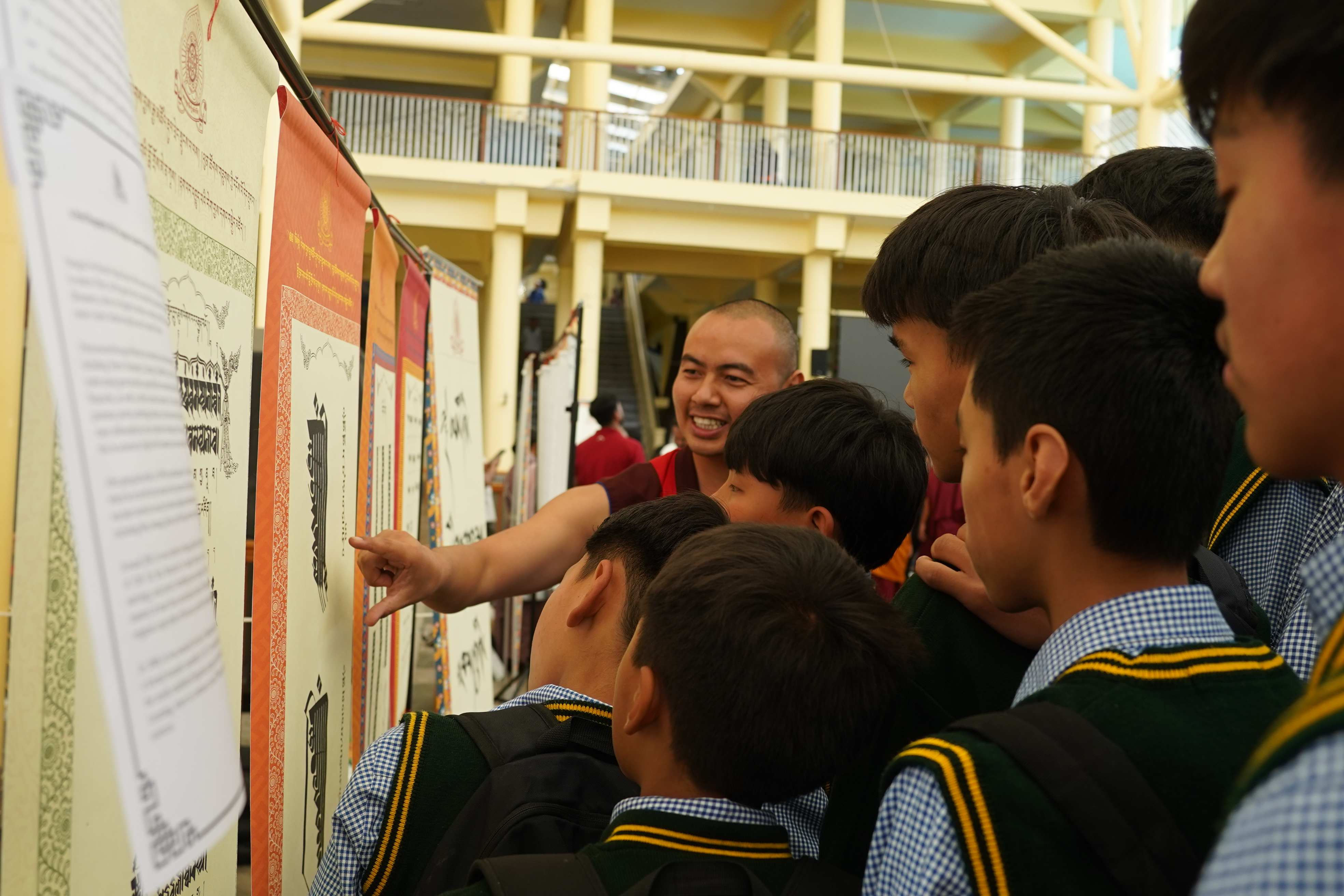
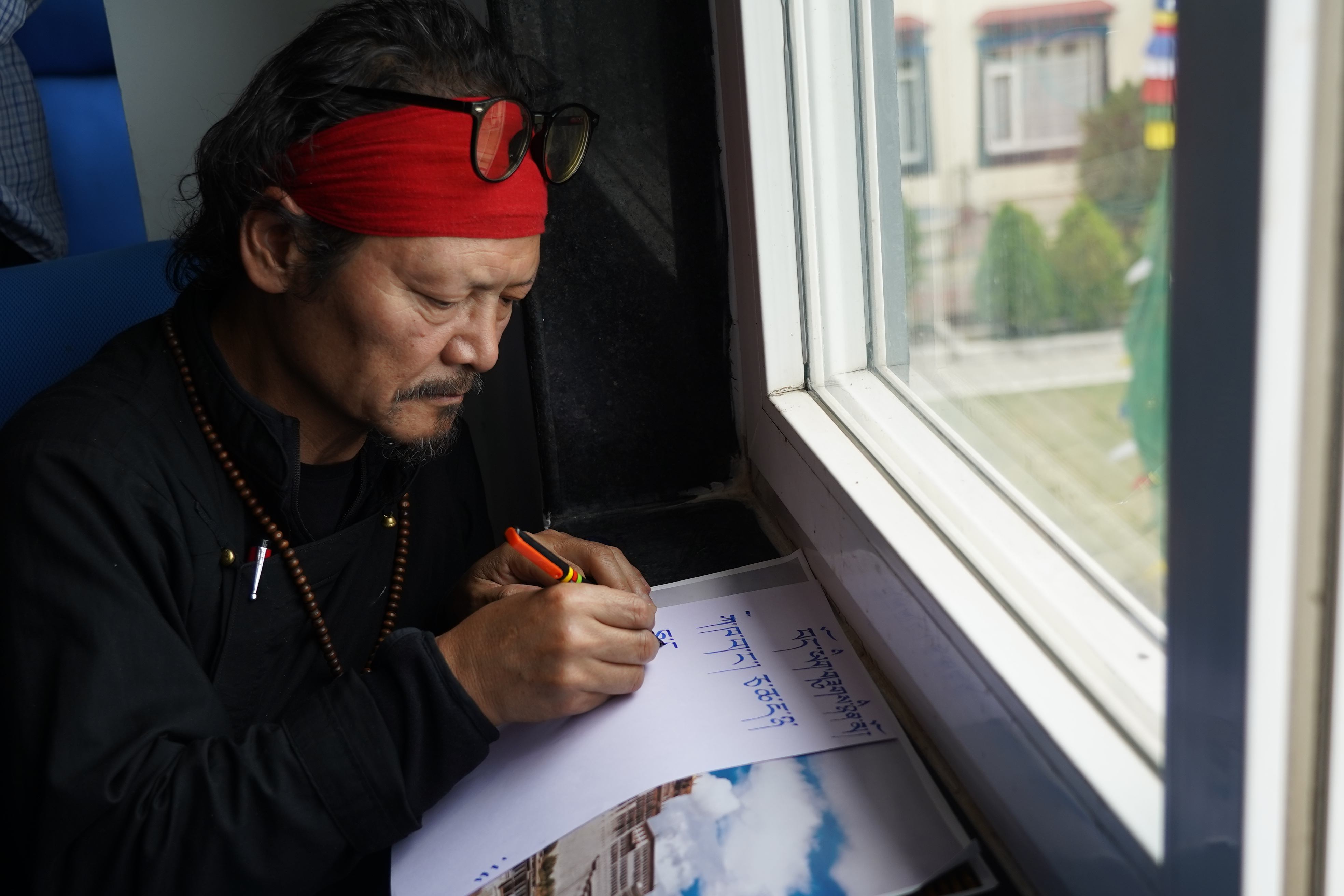
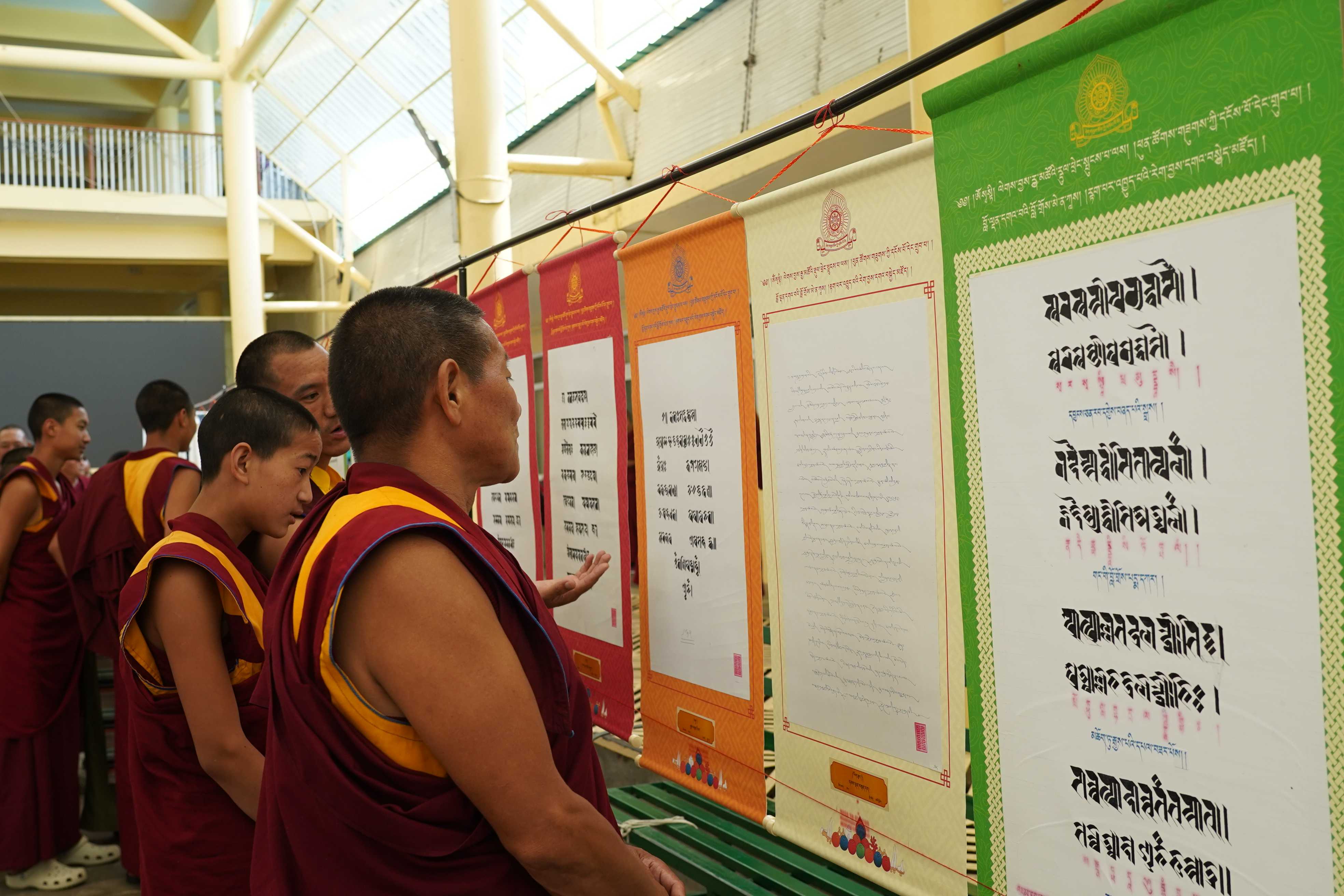
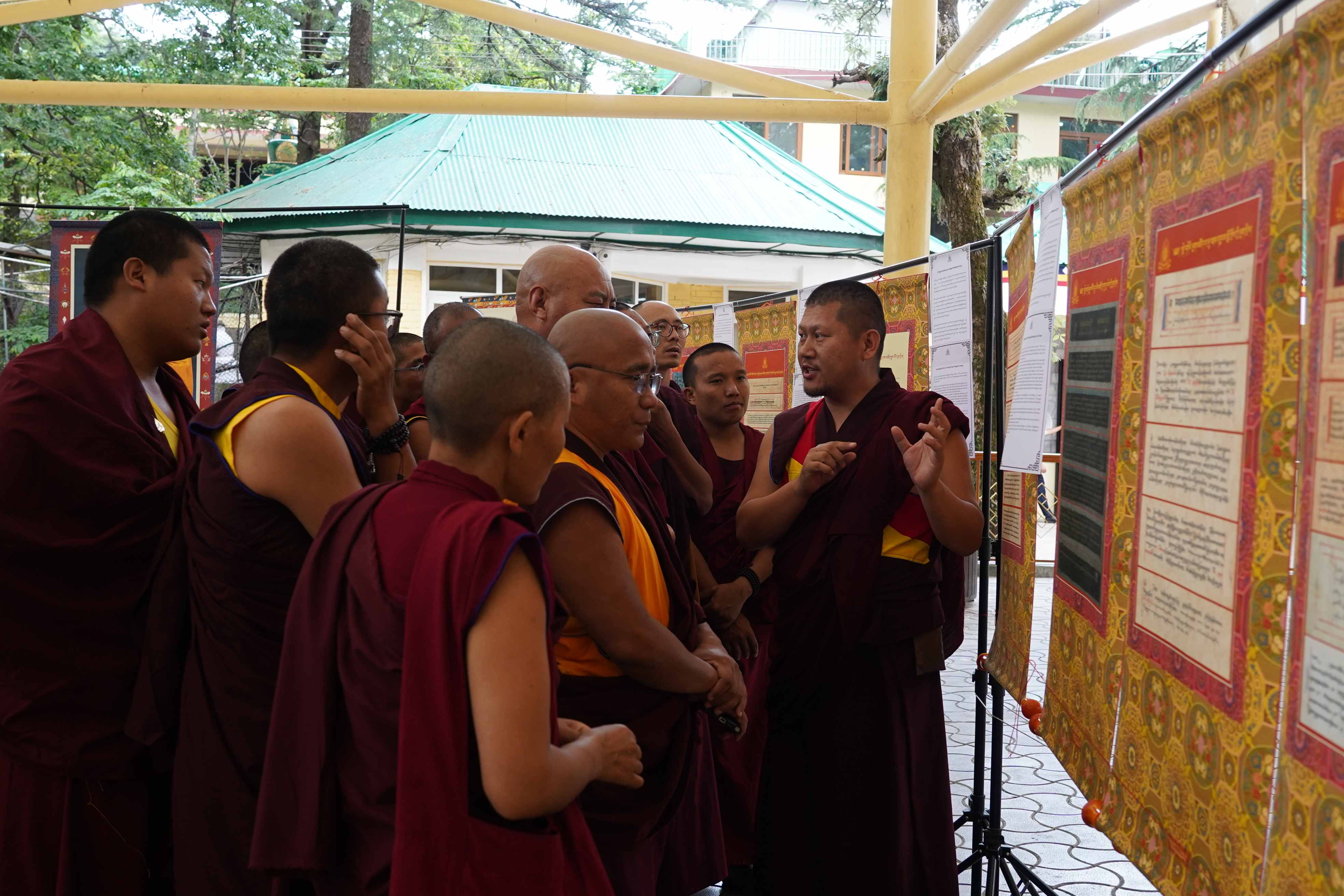
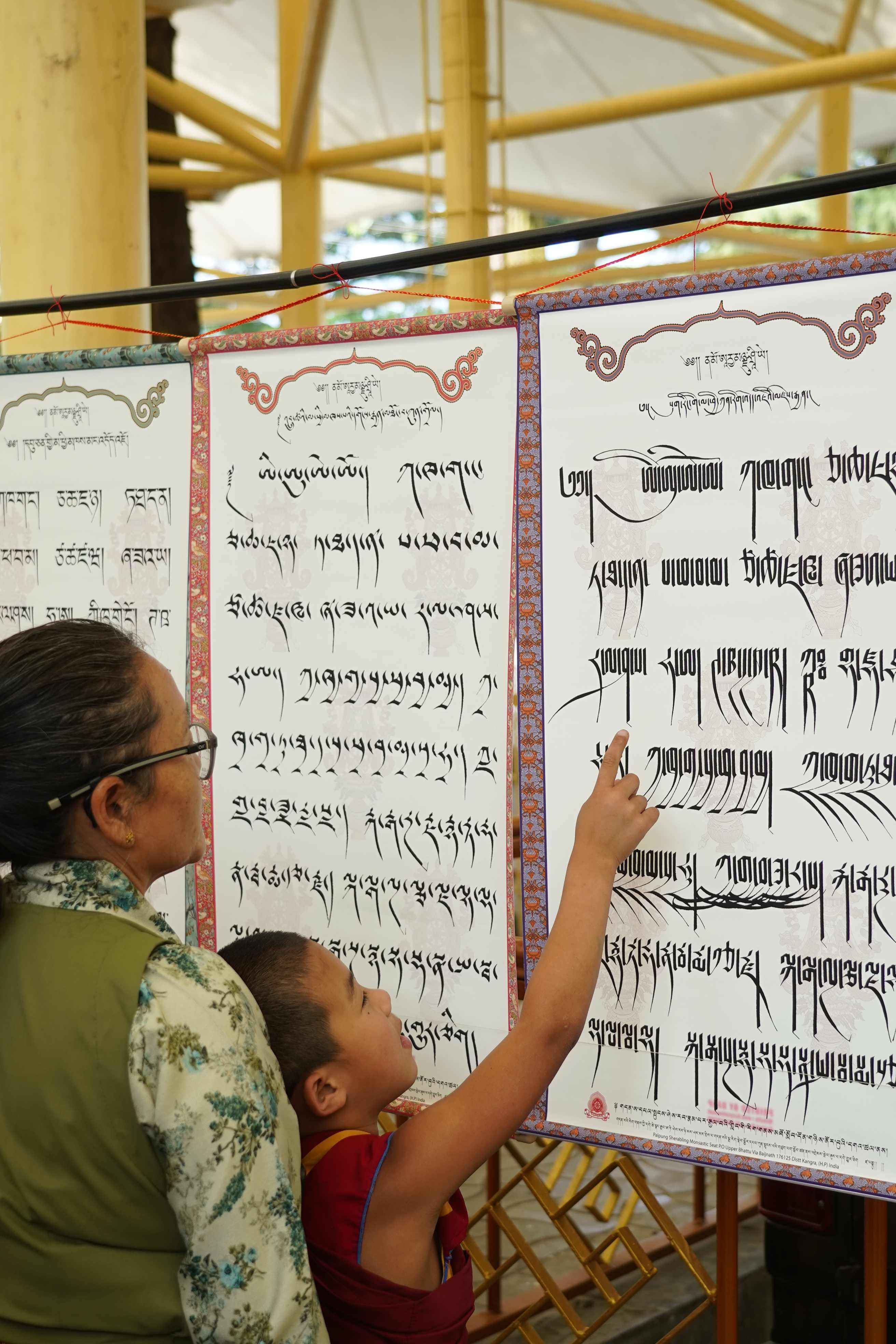
The Tibet Museum, under the Central Tibetan Administration, in collaboration with Palpung Sherabling Monastery, successfully organised a two-day exhibition of canonical calligraphy works along with workshops and talks to mark International Tibetan Calligraphy Day.
This significant day was formally established in 2017 during a Tibetan scholars’ symposium on calligraphy held inside Tibet. The date—30 April—symbolically represents the four vowels and thirty consonants that form the foundation of the Tibetan script.
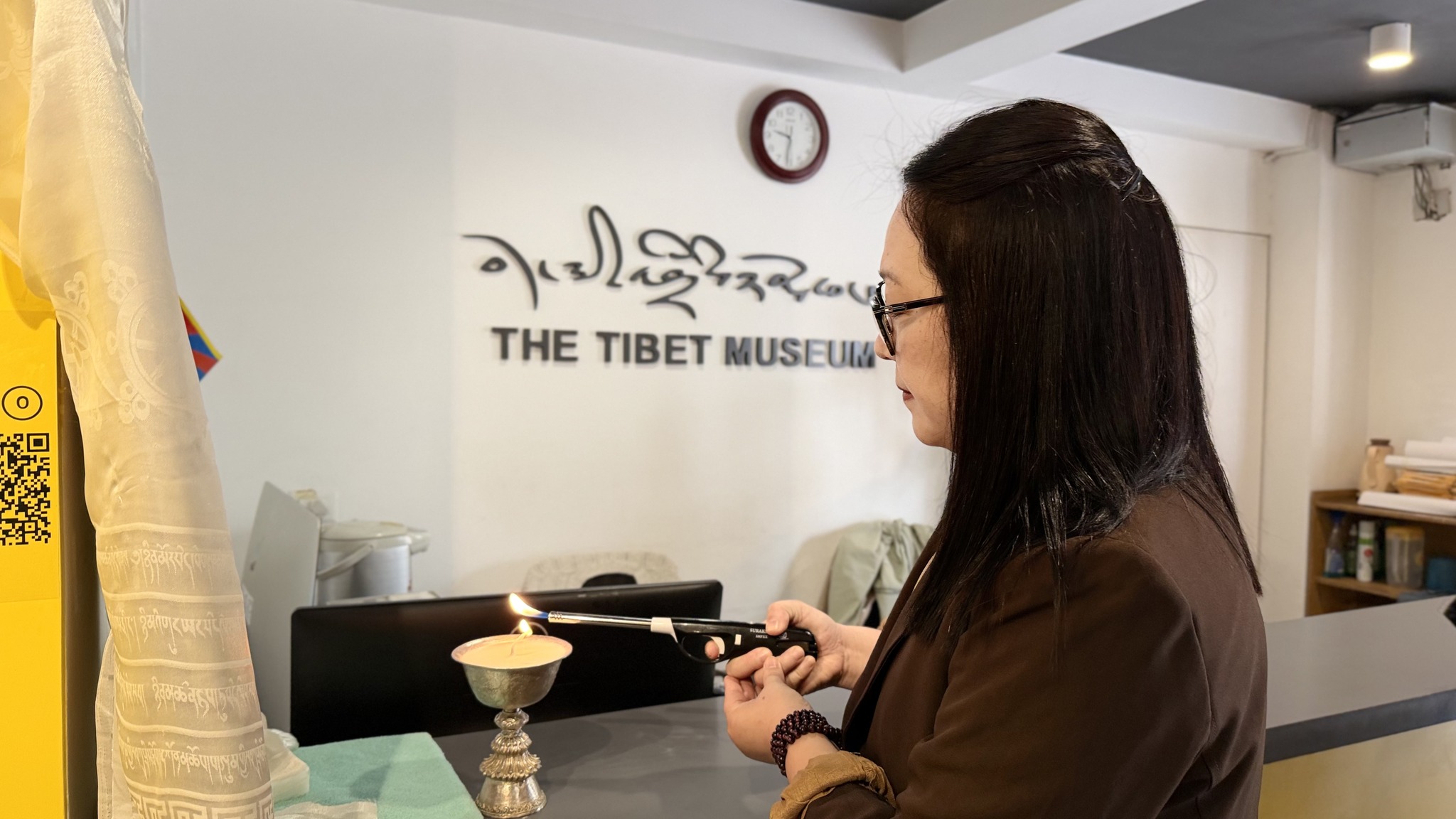
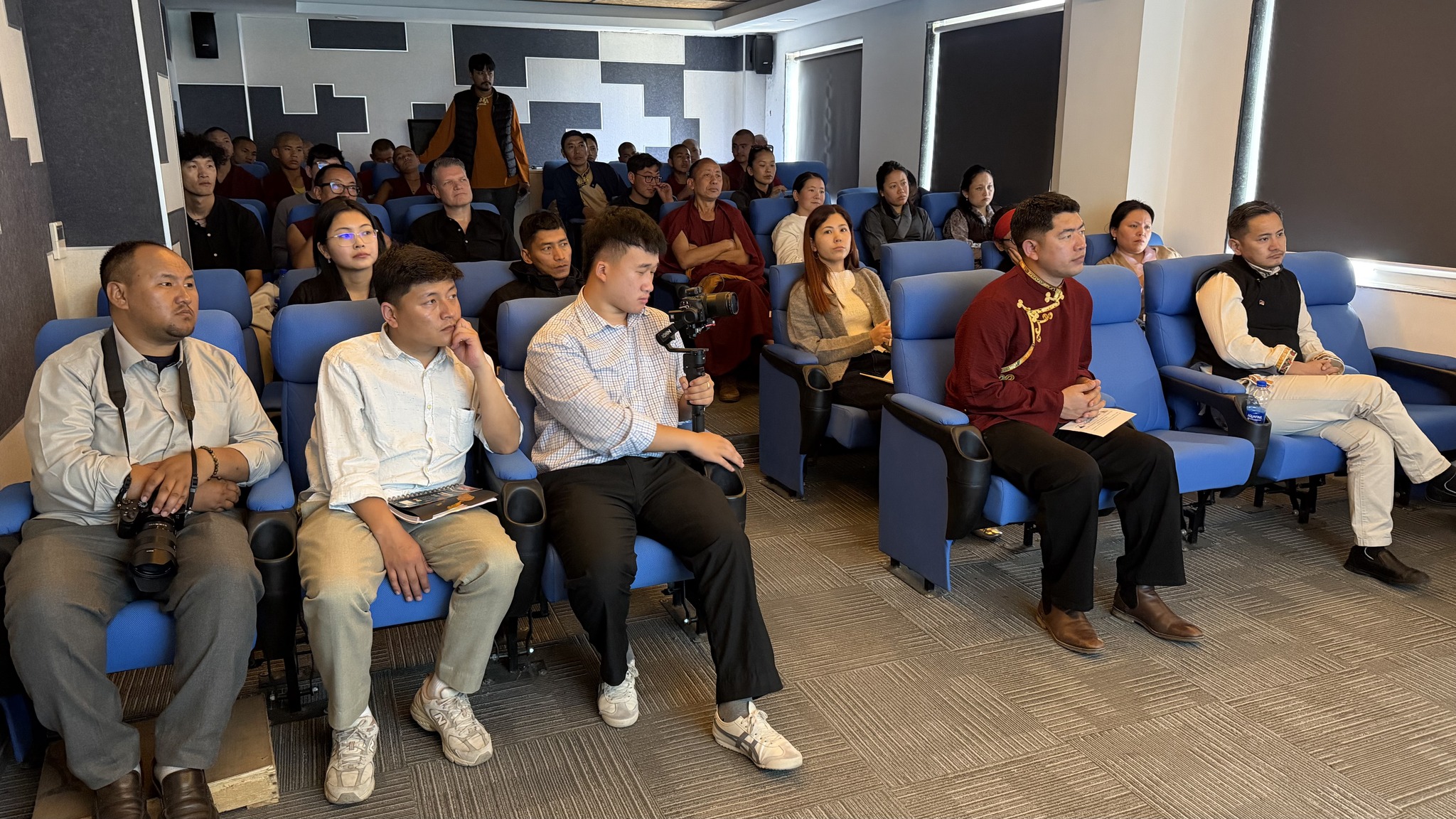
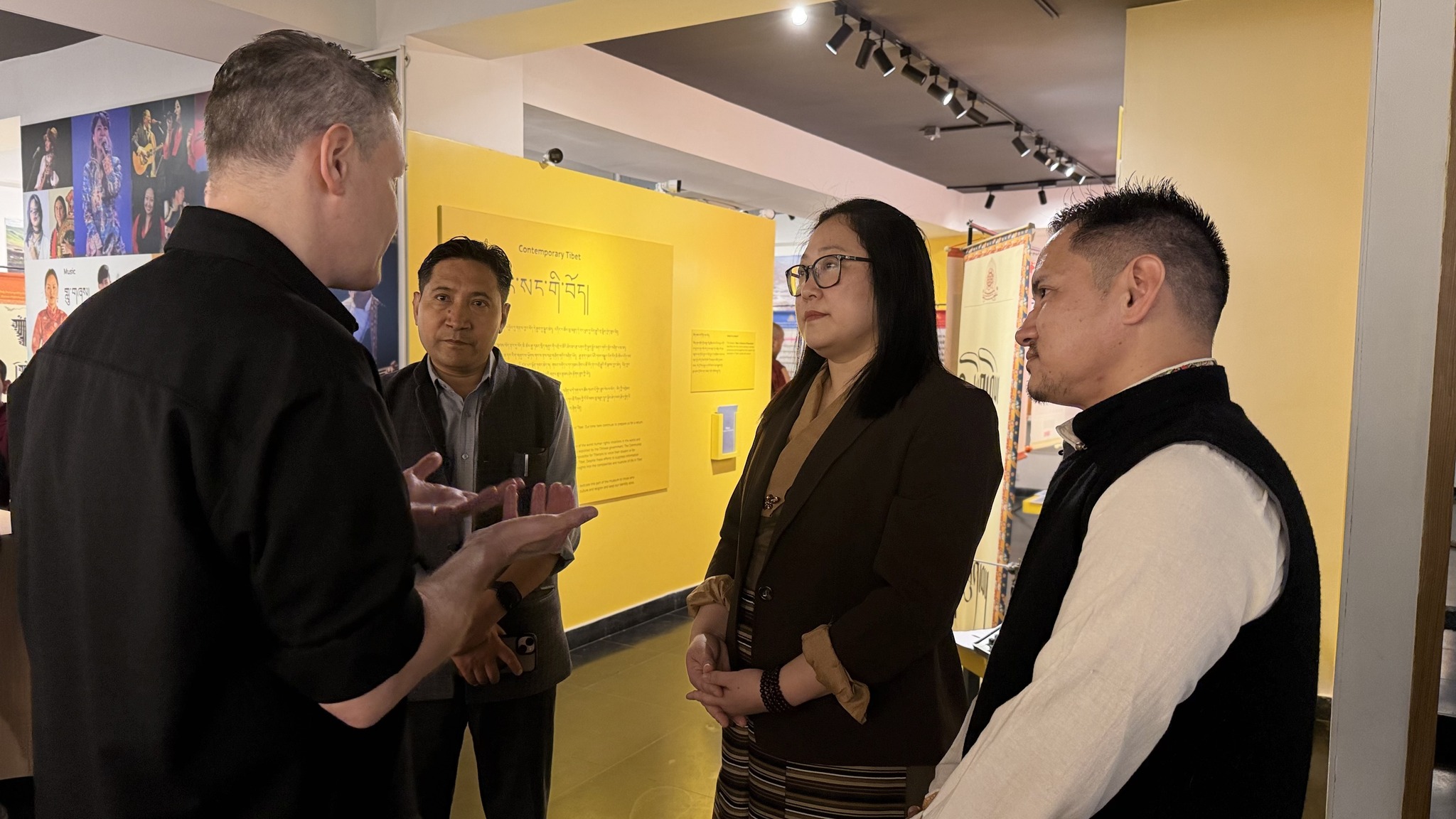
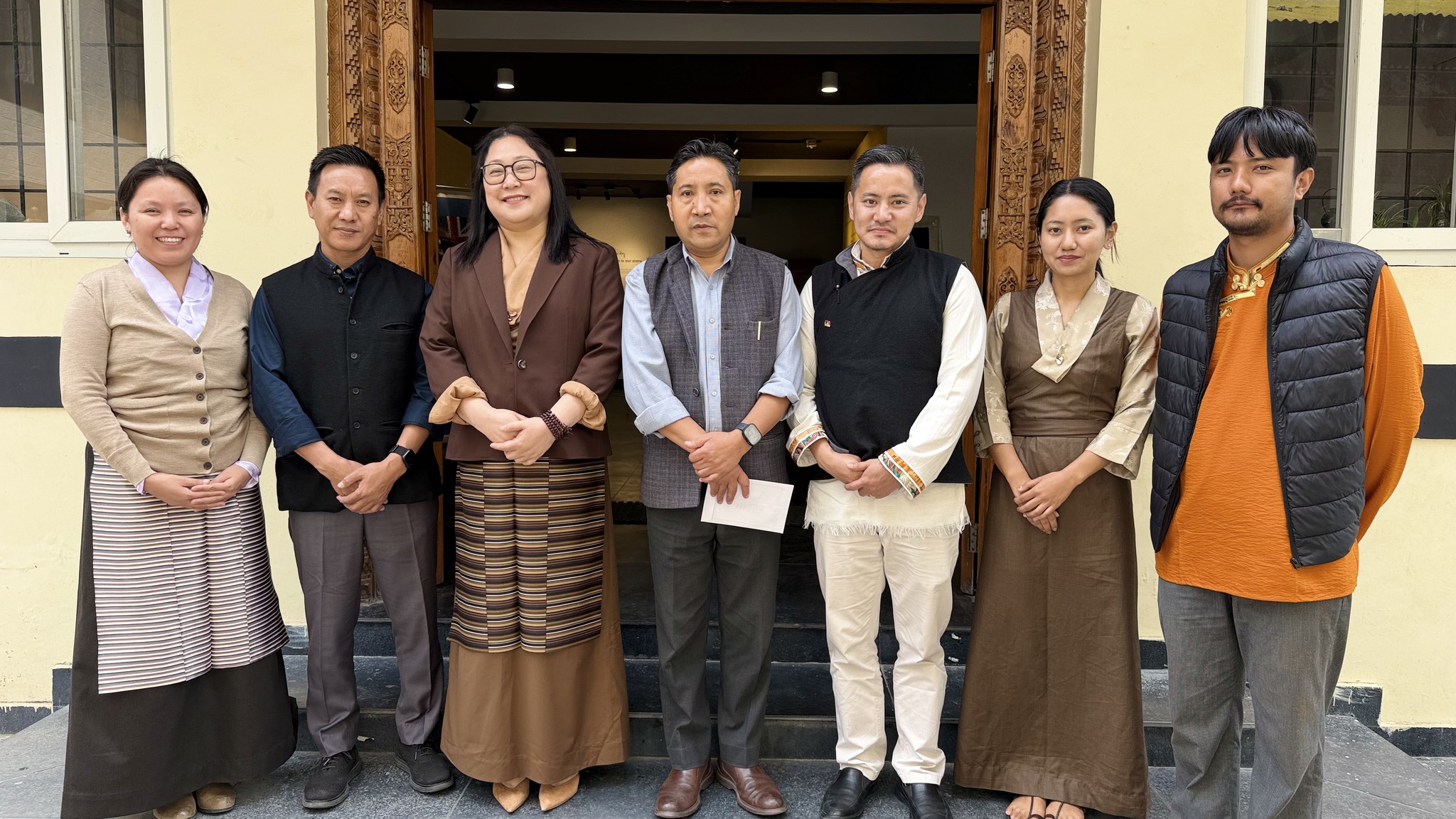
The opening ceremony, held at the Tibet Museum in Gangchen Kyishong on 30 April 2026, was graced by Norzin Dolma, Minister of the Department of Information and International Relations (DIIR), as the chief guest. She was accompanied by DIIR Secretary Karma Choeying, Additional Secretary Namgyal Tsewang, and Tibet Museum Director Tenzin Topdhen.
On the first day, the programme featured an exhibition at the museum showcasing diverse styles of Tibetan calligraphy, including reproductions of works by Chokyi Jungne, who played a key role in establishing the Derge Parkhang alongside Tenpa Tsering in 1729.
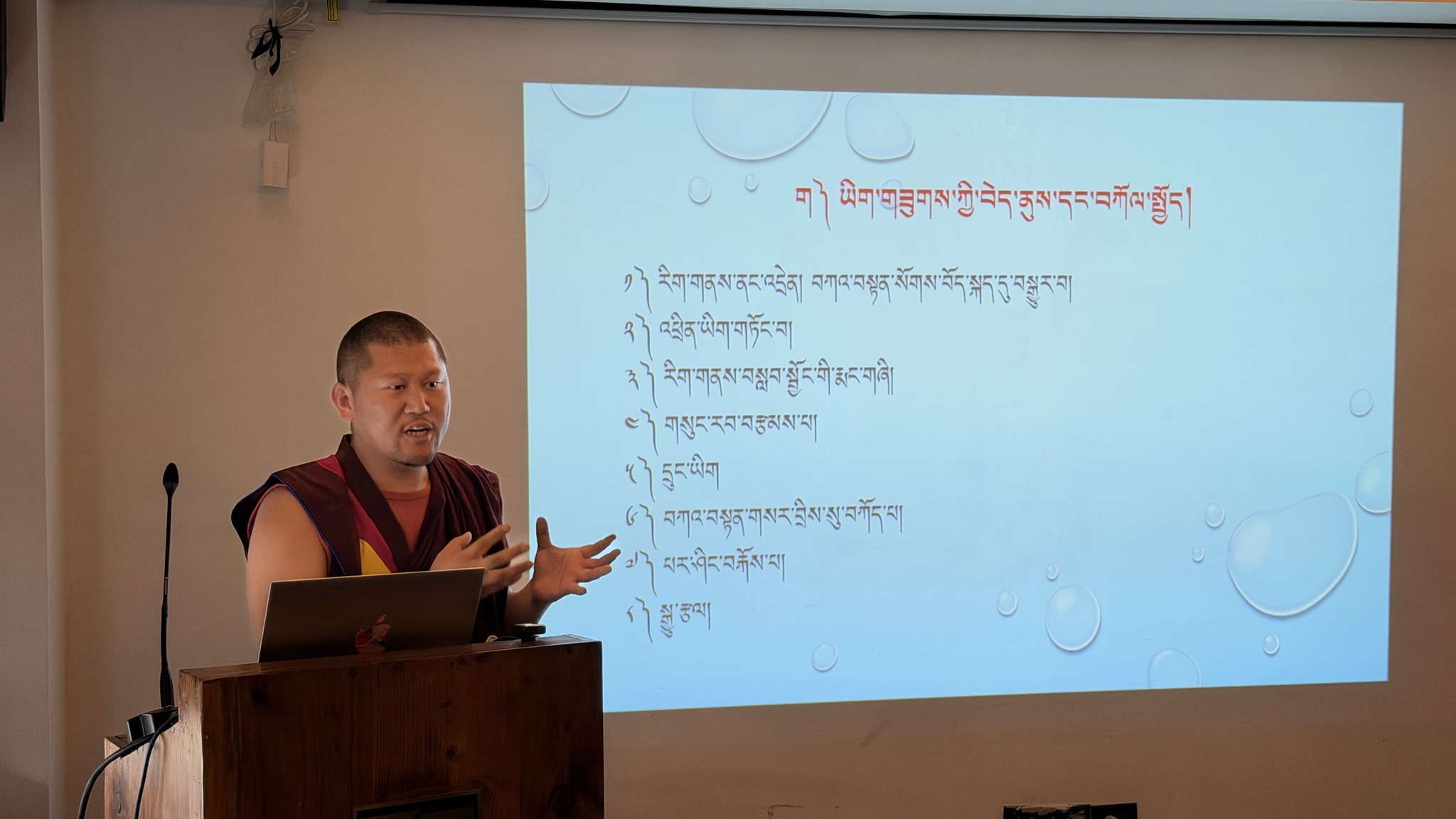
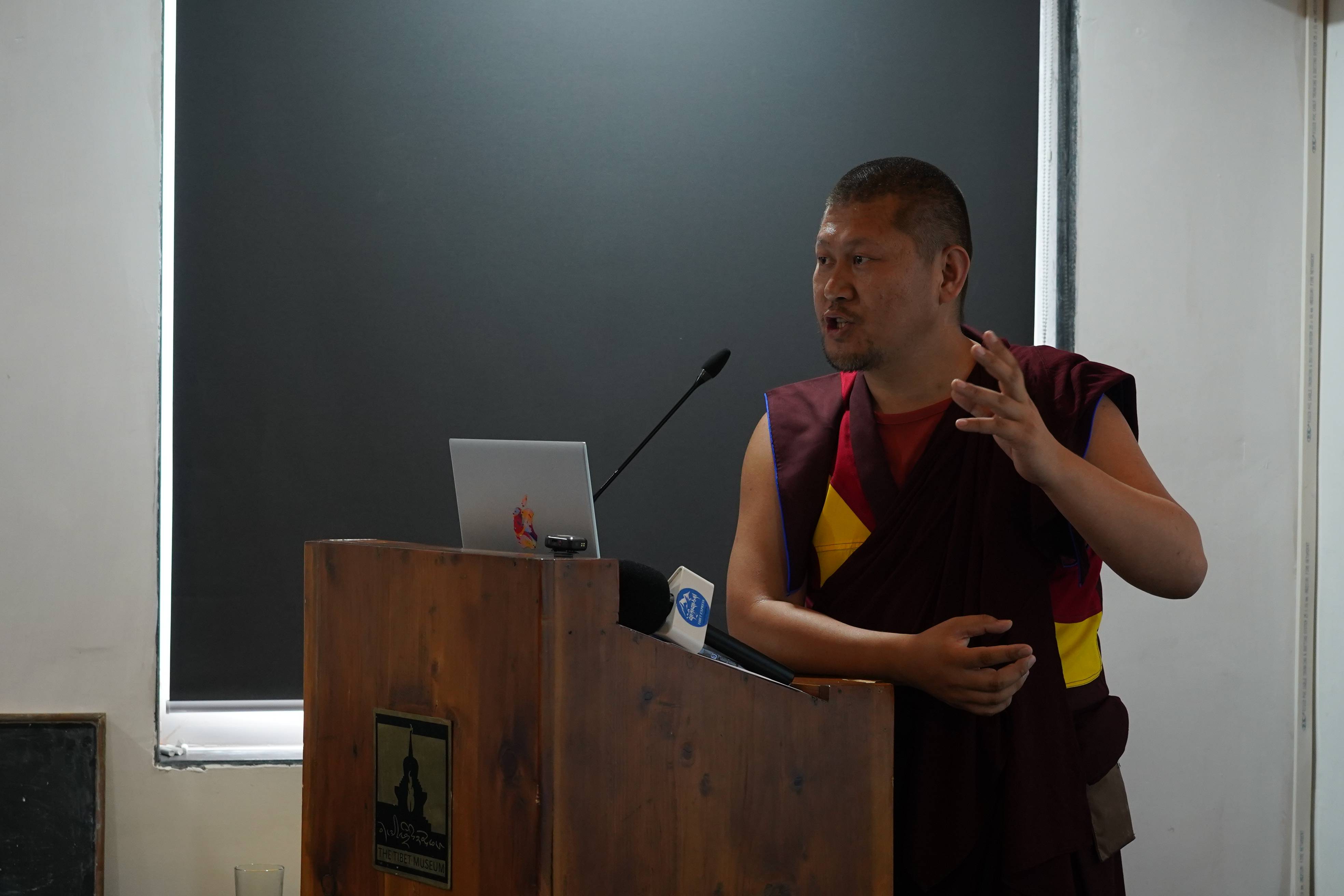
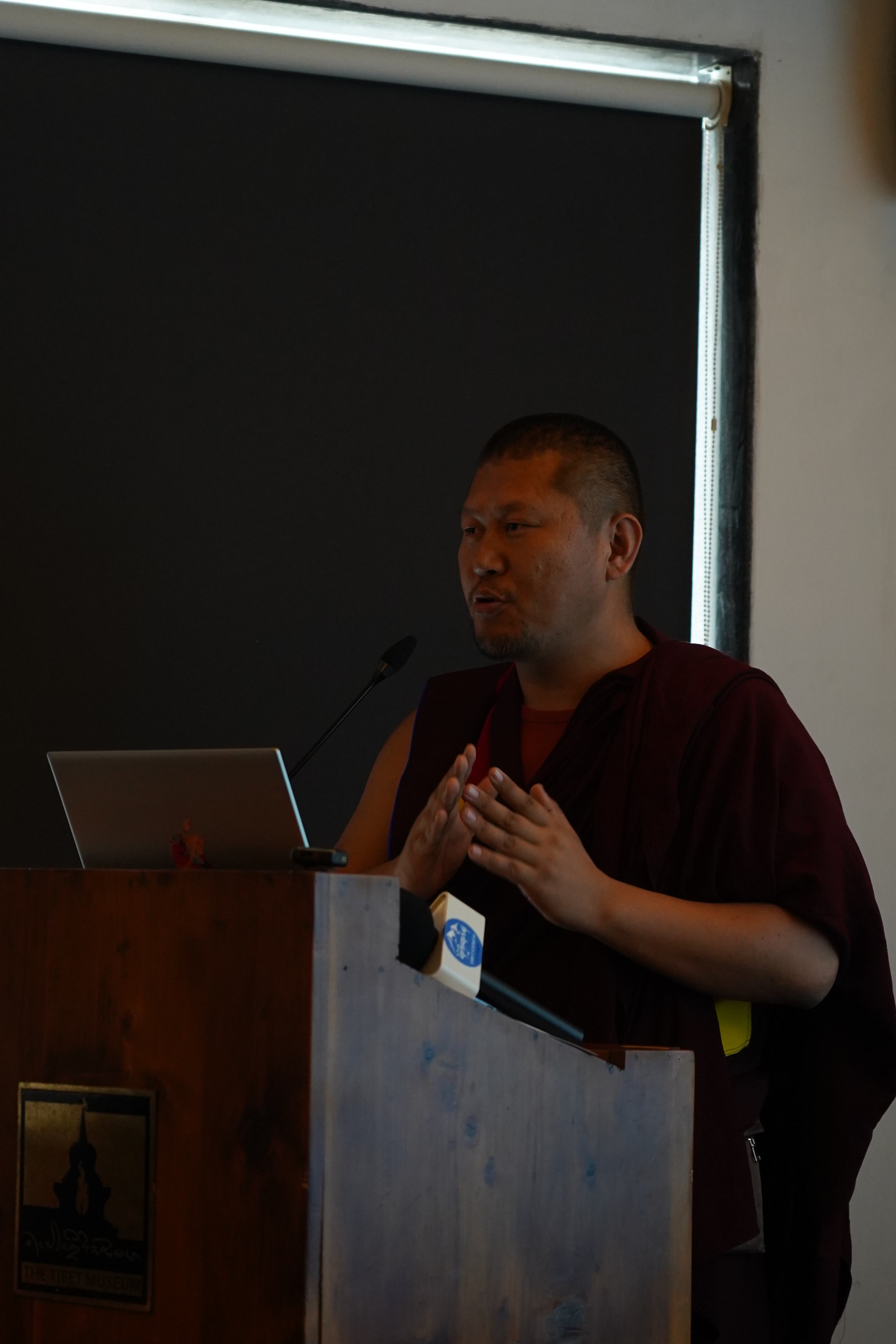
The session included insightful remarks by Karma Wangdak, who spoke on the origins and evolution of the Tibetan writing system devised by Thonmi Sambhota, as well as its later development and standardisation through printing traditions.
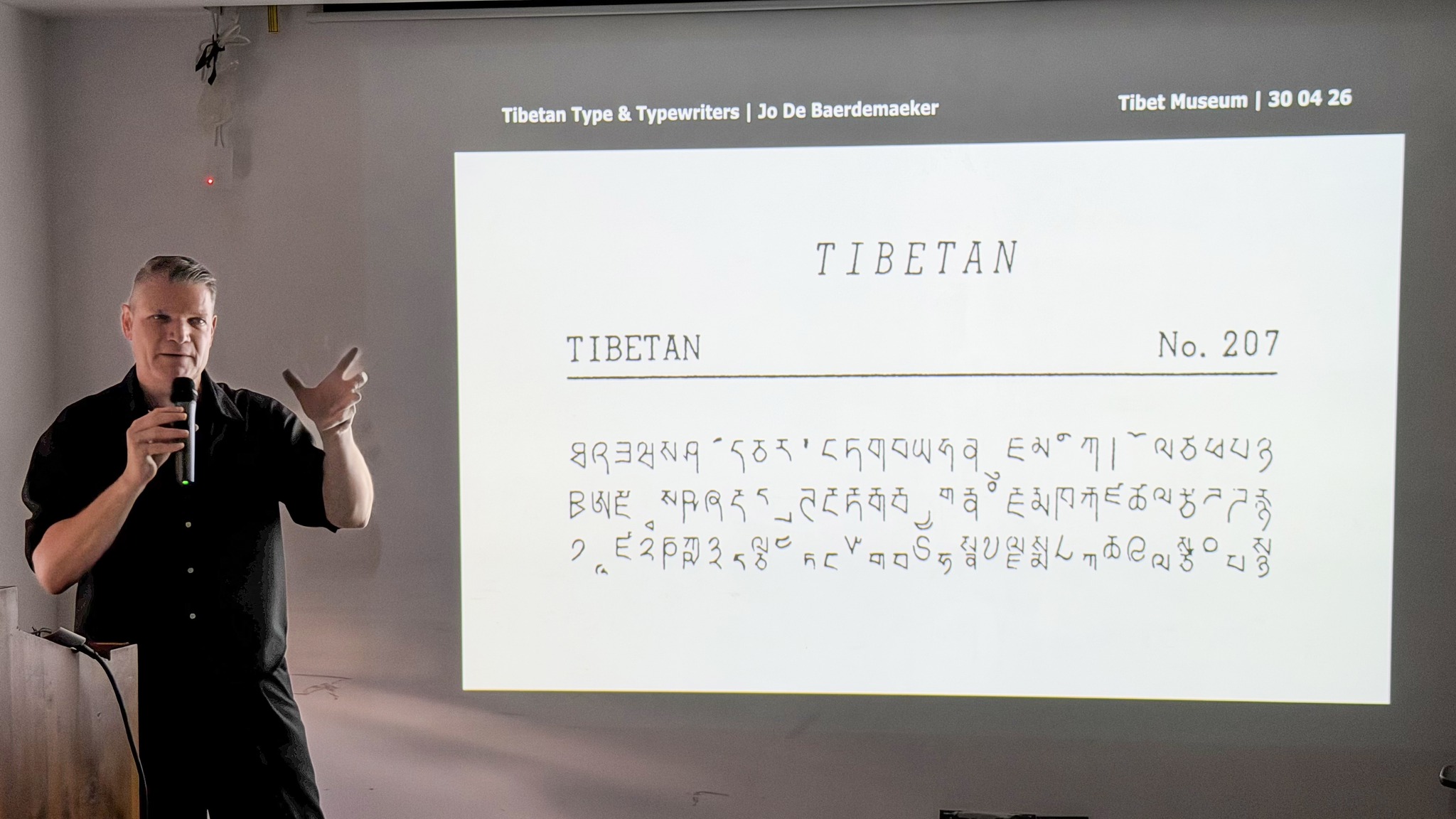
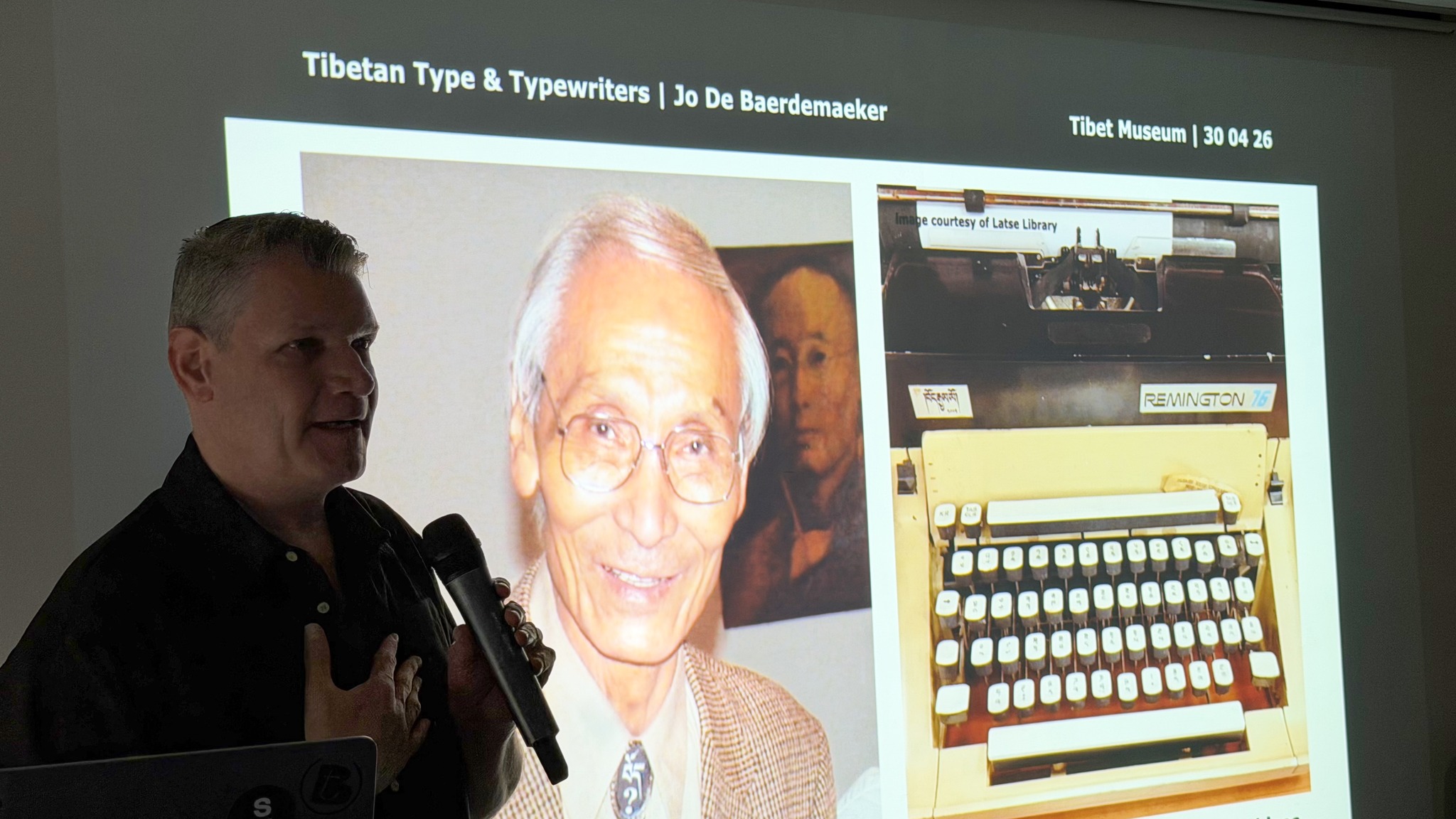
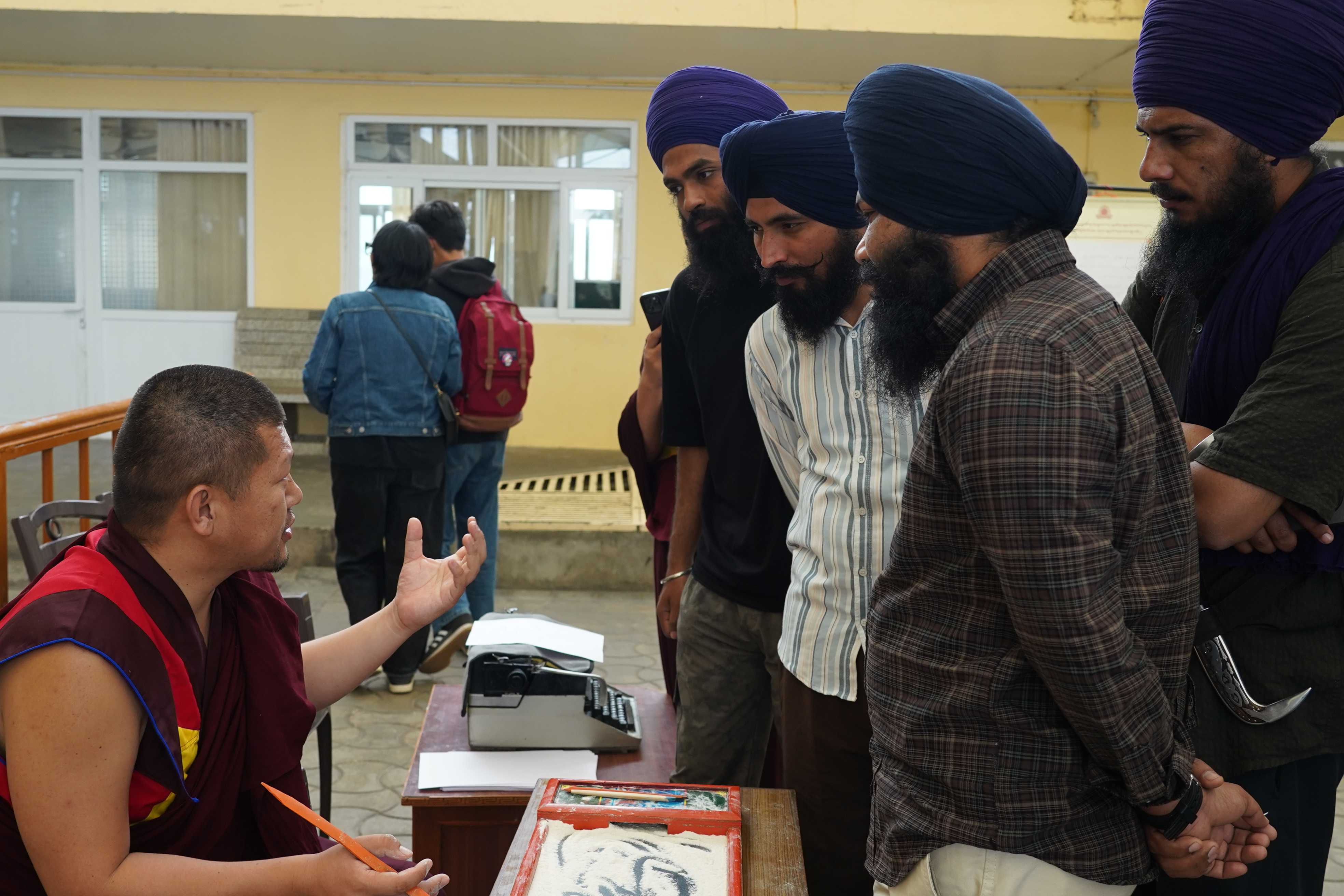
In the afternoon, Jo De Baerdemaeker delivered a talk on the history and evolution of Tibetan typewriters and typeface design, tracing developments from early Western innovations to contemporary digital font systems. He had also recently presented his research to Tenzin Gyatso during an audience.
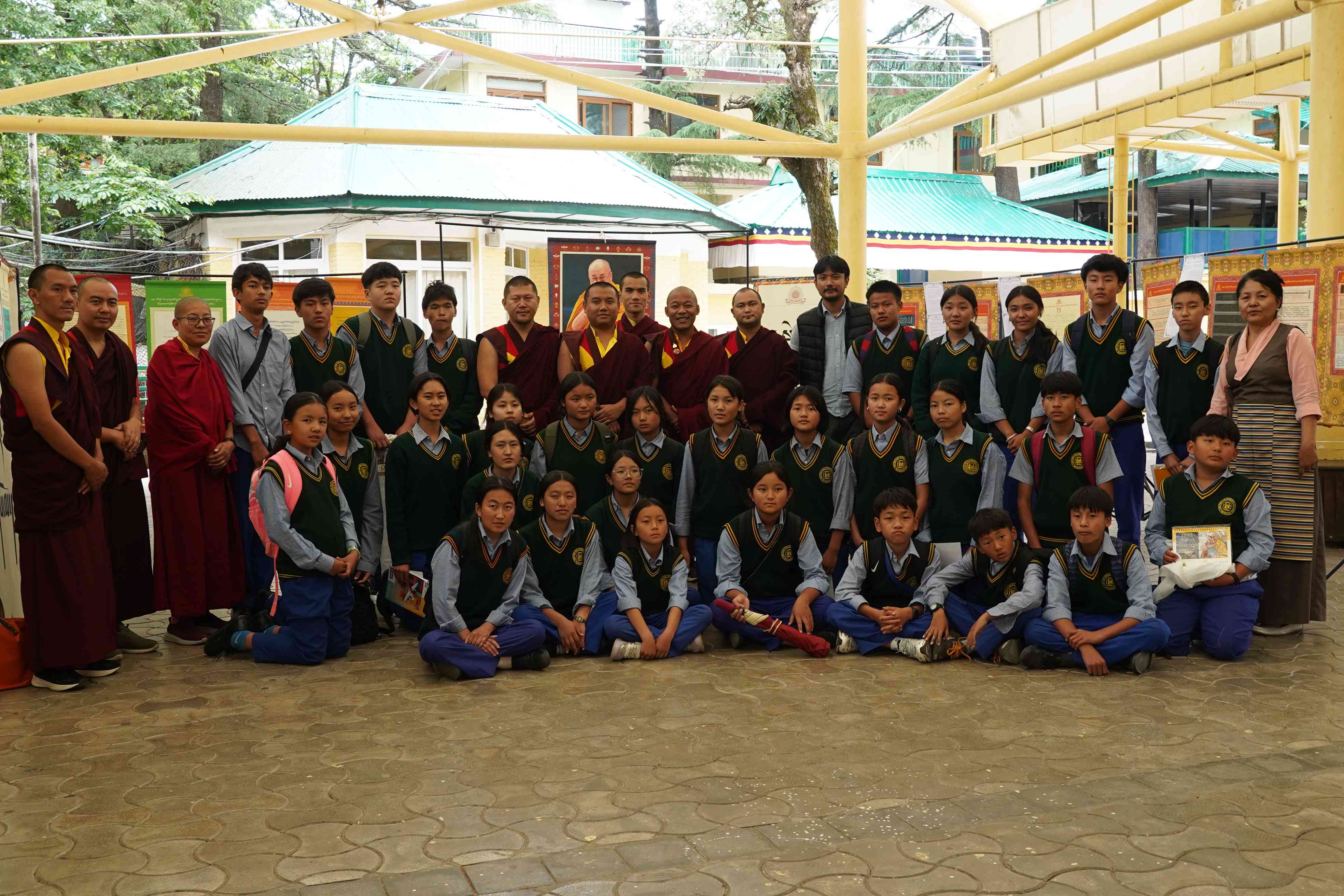
Monks from Palpung Sherabling Monastery, including Tsesang, Dorjee Norbu, Nyima, Nyima Phuntsok, Palden Tender, and Palden Dakpa, were also present, contributing to the meaningful observance of the day. The talk sessions were coordinated by the Curator of the Tibet Museum, Ngawang Dorjee.
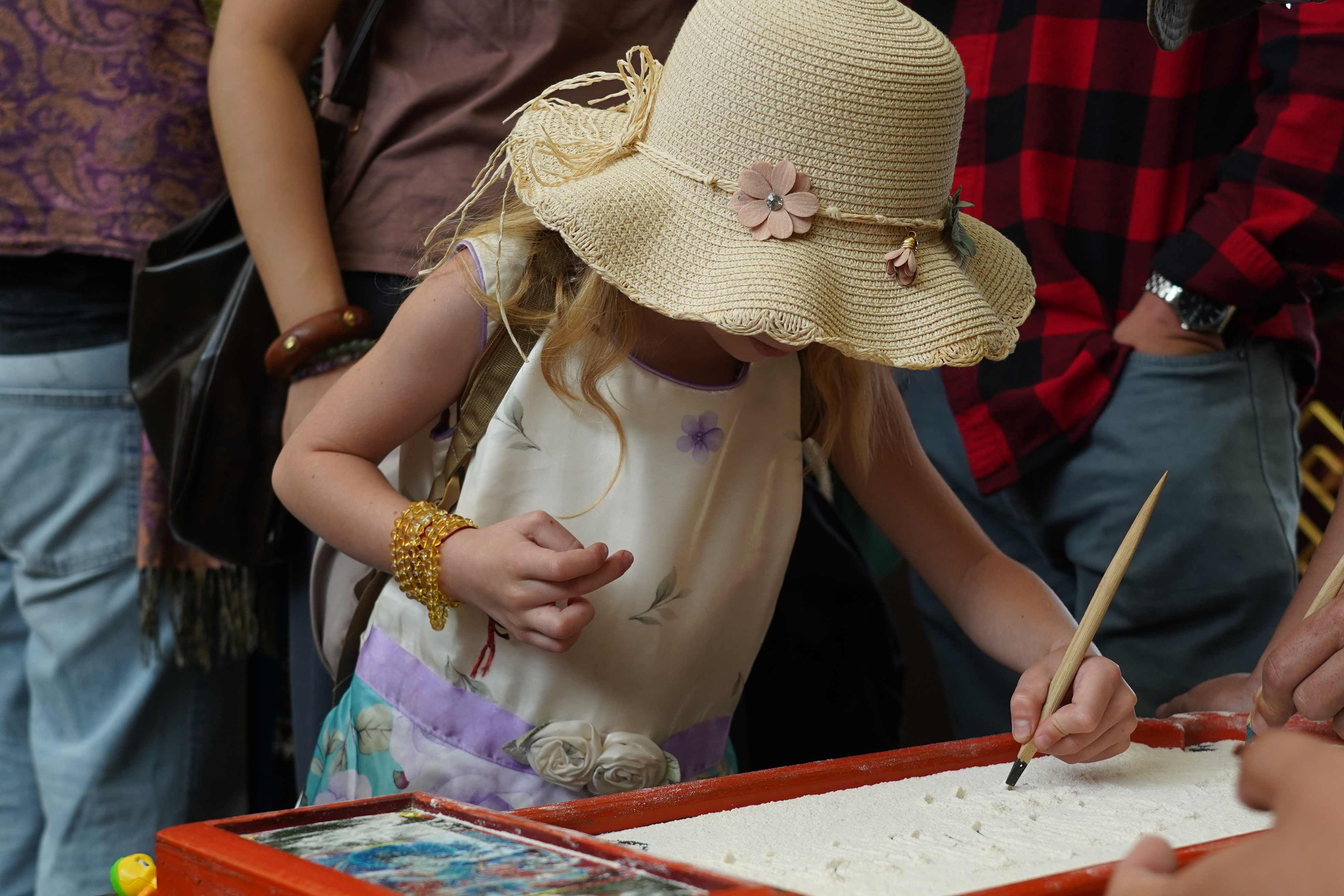
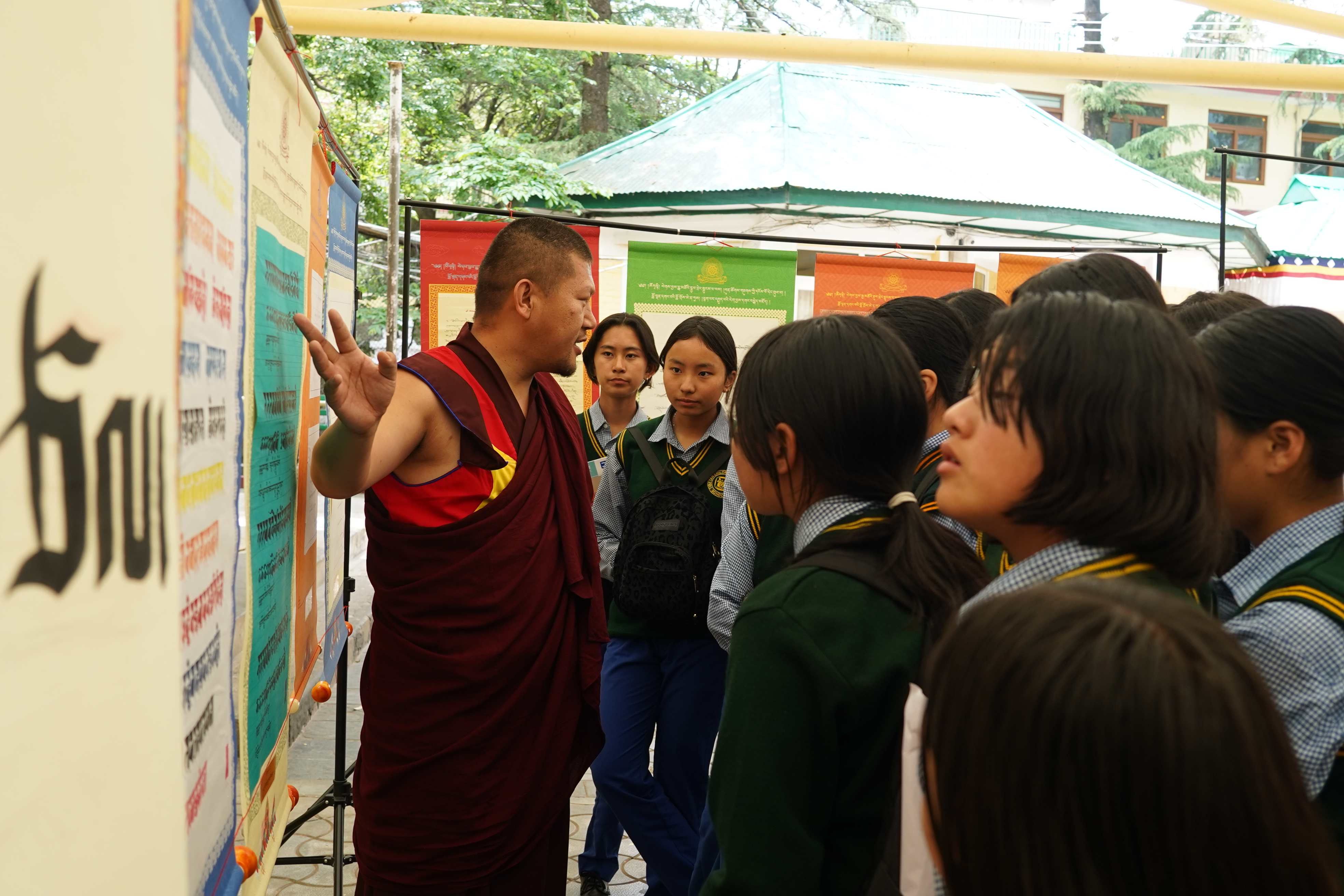
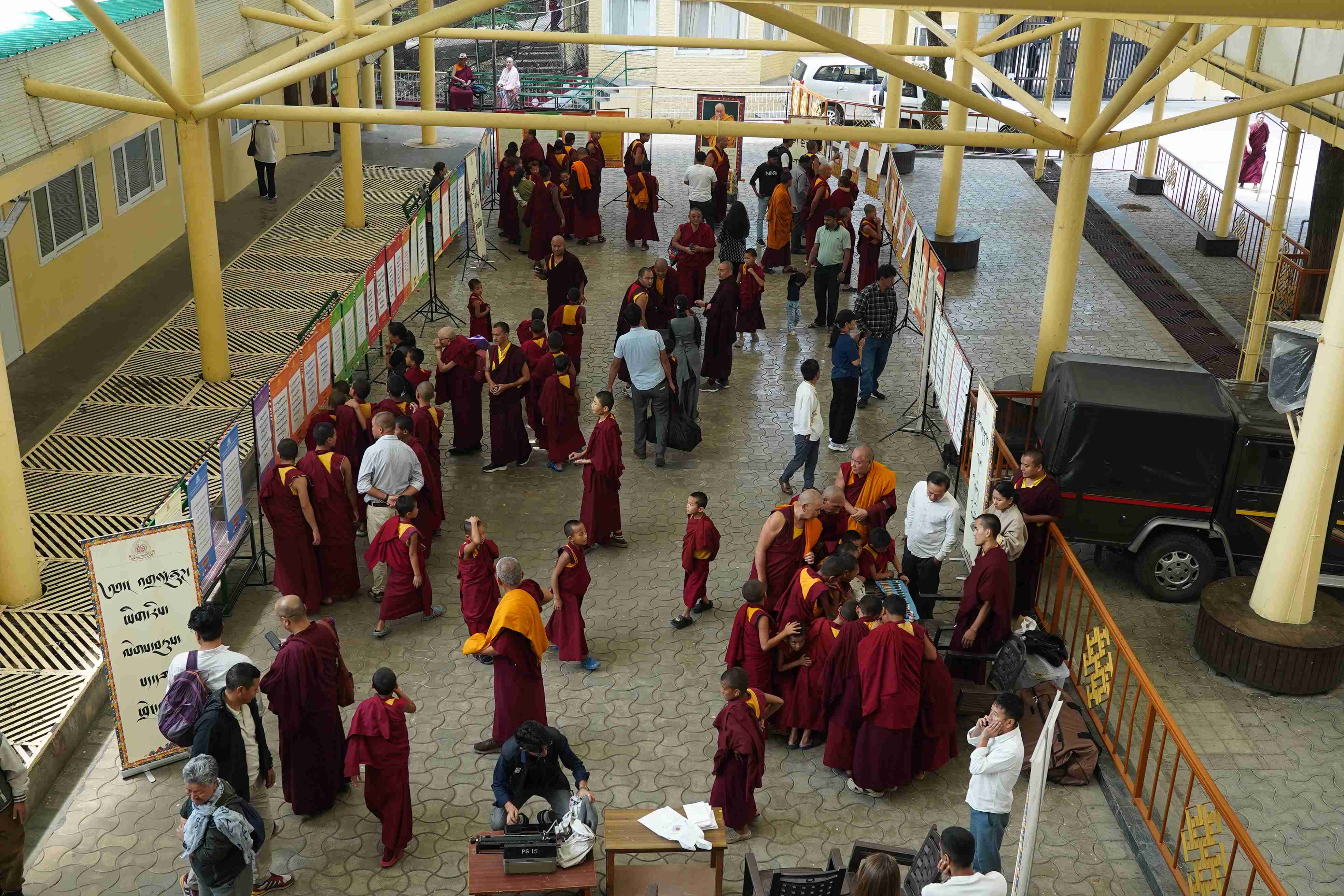
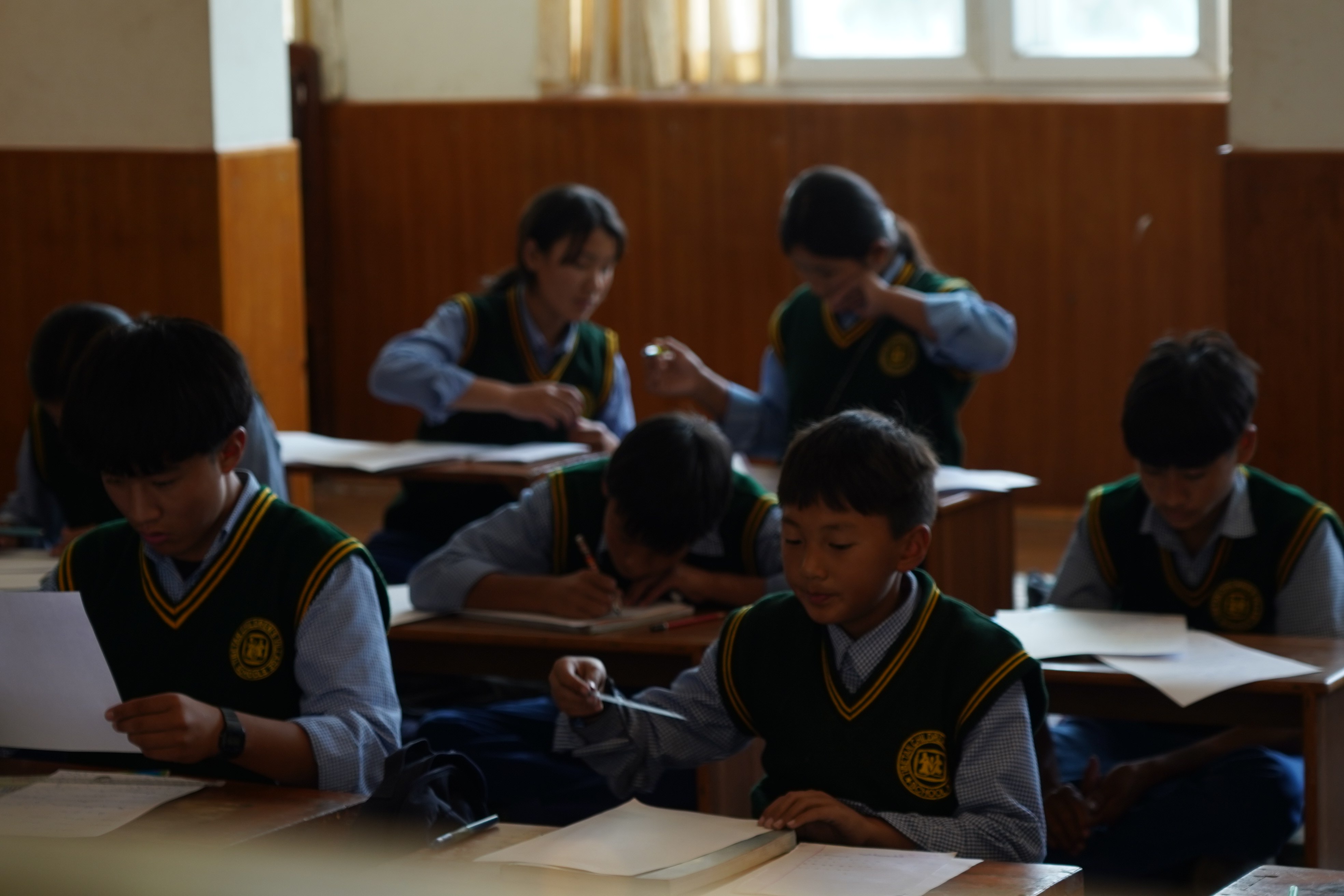
The second day of the programme was held at the Tsuglagkhang (Main Temple, McLeodganj), where the exhibition continued for the general public. A Tibetan calligraphy competition was also organised for students of the Tibetan Children’s Villages (TCV), from classes 6 to 12, with one winner selected from each class.
The exhibition witnessed an enthusiastic turnout of visitors, offering them an opportunity to explore the beauty of Tibetan calligraphy and gain deeper insight into the diversity of scripts and their historical significance.
This meaningful two-day observance, dedicated to preserving and promoting the rich heritage of Tibetan calligraphy, was also celebrated with enthusiasm within Tibet.