Tibet Museum’s Historic Visit to Zanskar Monasteries and Exhibition Inauguration
The Tibet Museum traveling exhibition cum monastery Documentation Visit to Zanskar, Ladakh (19–25 July 2025)
As part of our ongoing effort to document Tibet’s enduring cultural and historical footprint beyond its borders, the Tibet Museum team undertook a field visit to the Zanskar region of Ladakh from 19 to 25 July 2025. This journey took us across some of Zanskar’s most historically significant monasteries, where we engaged with monastics, elders, and sacred heritage that continue to bear witness to Tibet’s independent legacy.
Our visit began on 19 July at Tongden Monastery, where we had the opportunity to speak with Lama Tenzin Jigmet. Through our conversation, we explored the monastery’s historical roots and its ties to Tibet before the occupation. We were also fortunate to photograph rare scriptural collections — the Kangyur and Tengyur — preserved and passed down by monks who carried them from Tibet during times of upheaval.
The following morning, 20 July, led us to Karsha Monastery, one of the oldest and most revered in the region. There, Senior Monk Tsering Wangchuk generously shared the monastery’s historical narrative, including its deep and longstanding connection with independent Tibet. A deeply moving part of the visit was our conversation with a 94-year-old monk, who had once journeyed to Tibet for monastic training and offered vivid recollections of life and learning in Tibet before 1959.
On 21 July, we continued to Sani Monastery, where Monk Tenzin Choethar spoke about the monastery’s legacy. We were able to document rare wall paintings—some centuries old—that bear witness to Tibet’s influence in this trans-Himalayan region. That evening, we returned briefly to the main chapel of Karsha Monastery to photograph sacred ritual artefacts, statues, and thangka paintings brought from Tibet during the pre-occupation period.
Our fourth day, 22 July, began with a long drive to Phukthar Monastery, a hidden gem nestled in a cliffside. Welcomed warmly by Monk Lobsang Tenzin, we engaged in a detailed conversation about the monastery’s history, its roots in the Gelug tradition, and its historical ties to Tashi Lhunpo Monastery in Tibet. One of the highlights was photographing a rare letter sent by the Panchen Rinpoche to Phukthar — a piece of living history. On our return journey, we made a stop at Barden Monastery, where Treasurer Rigzin Samphel offered valuable historical insights and access to preserved artefacts.
On 23 July, we were deeply honoured to witness a Tenshug ceremony—an offering for the long life of His Holiness the 14th Dalai Lama—held at Duzin Palace in Padum by the people of Zanskar. That same afternoon, we travelled to the ancient Zangla Palace, where Gyalse Tenzin Dasang Namgyal graciously shared the story of the Zangla dynasty, its Tibetan connections, and the cultural memory still alive in the region. We later visited Karsha Palace to begin setting up for the upcoming museum exhibition.
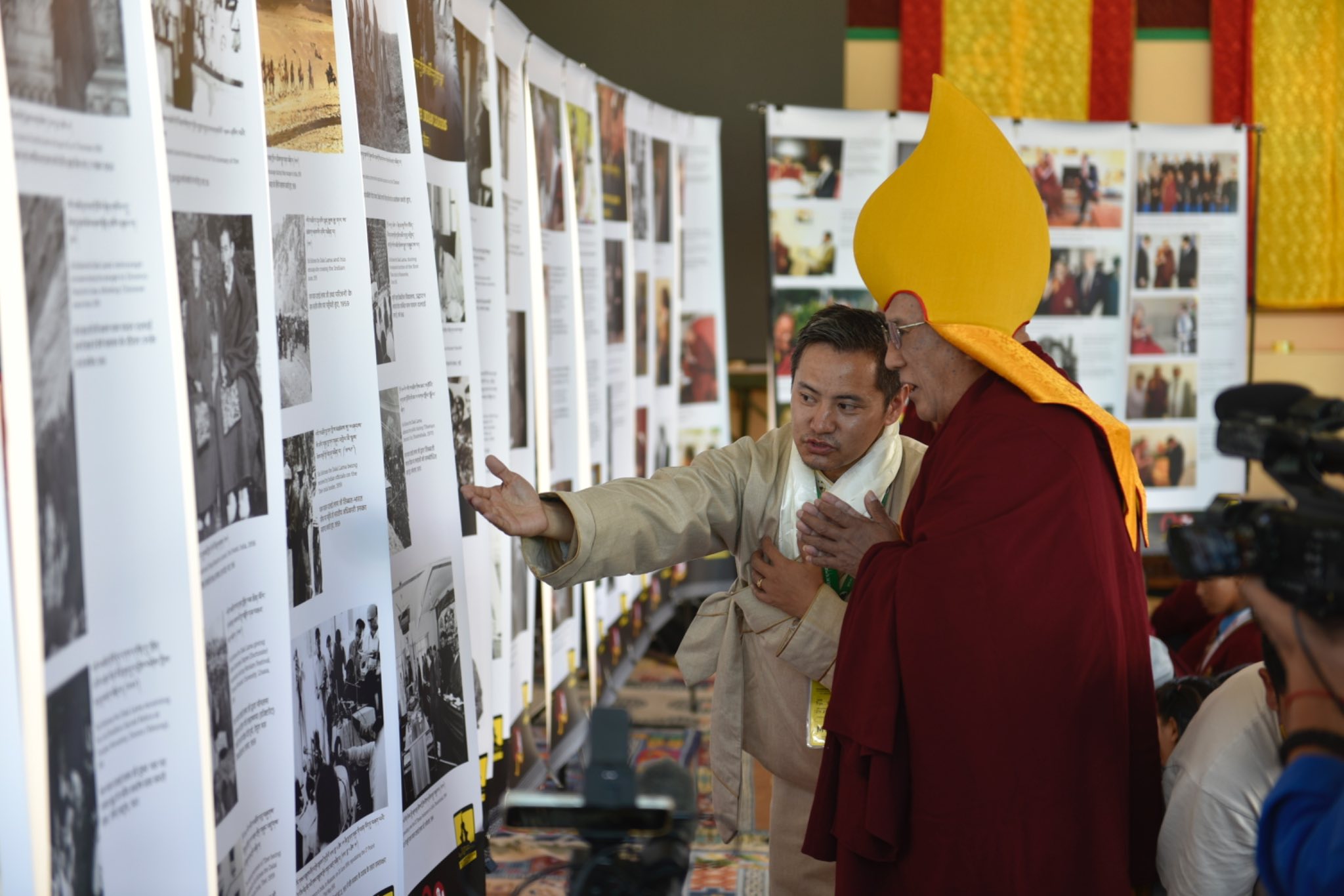
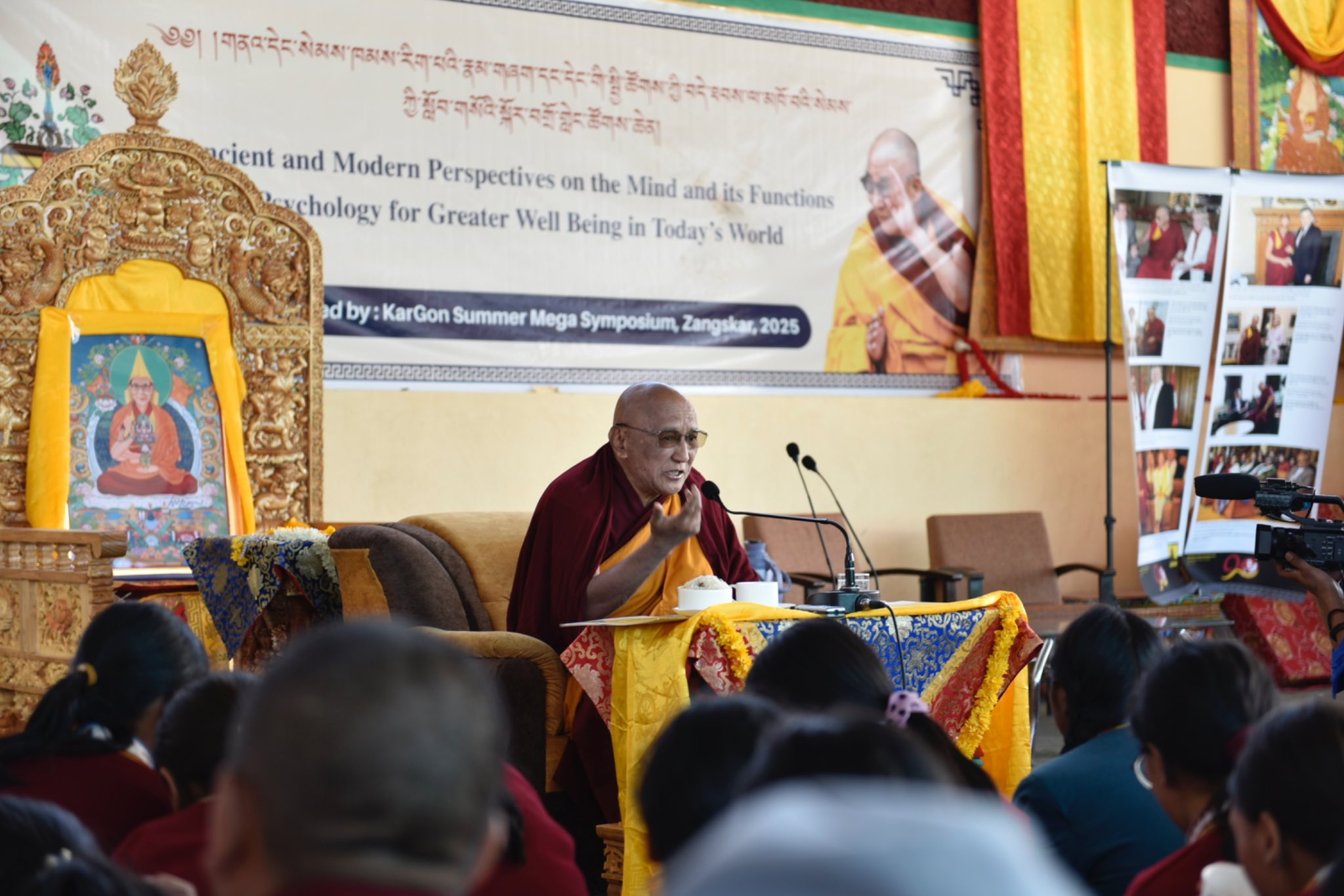
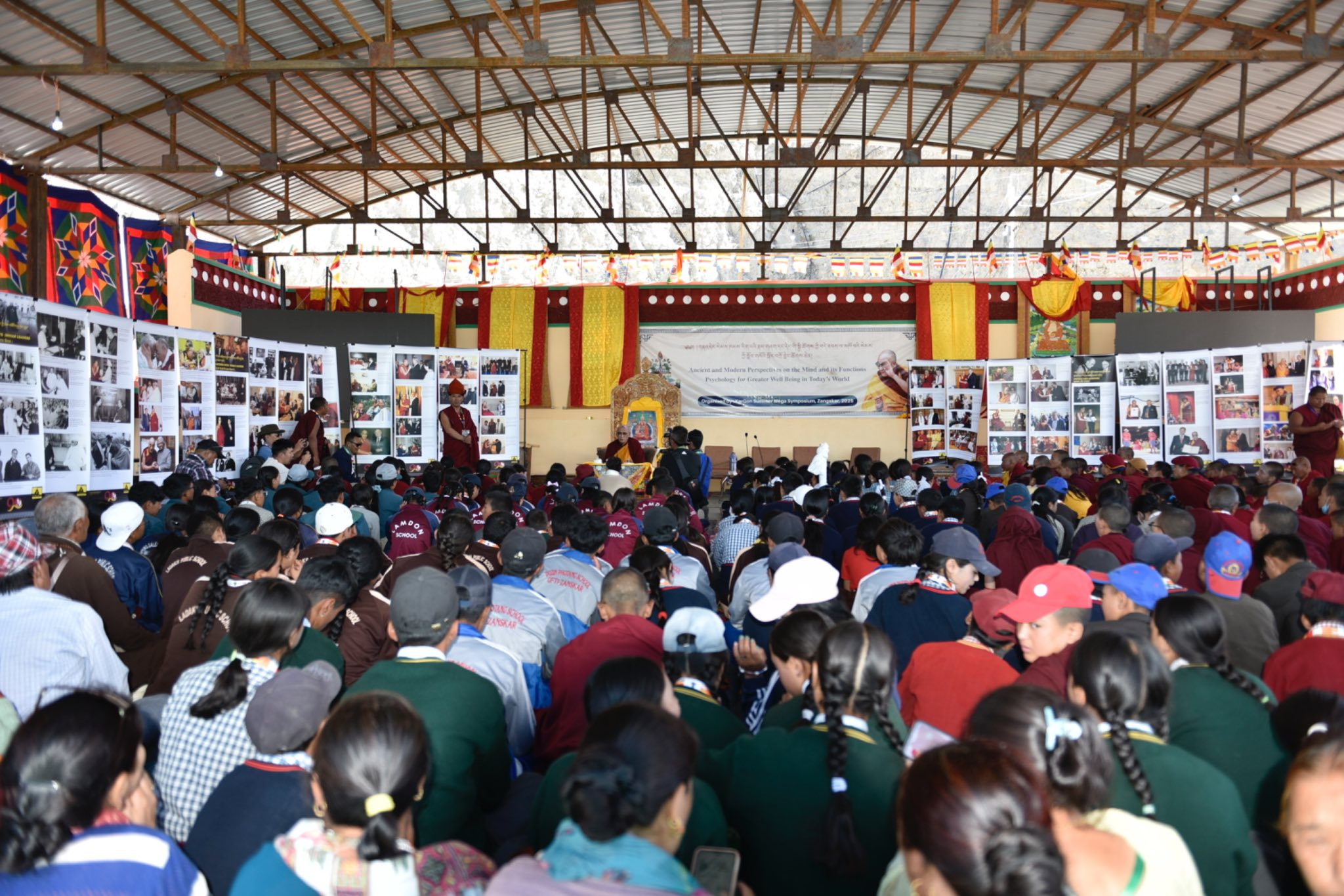
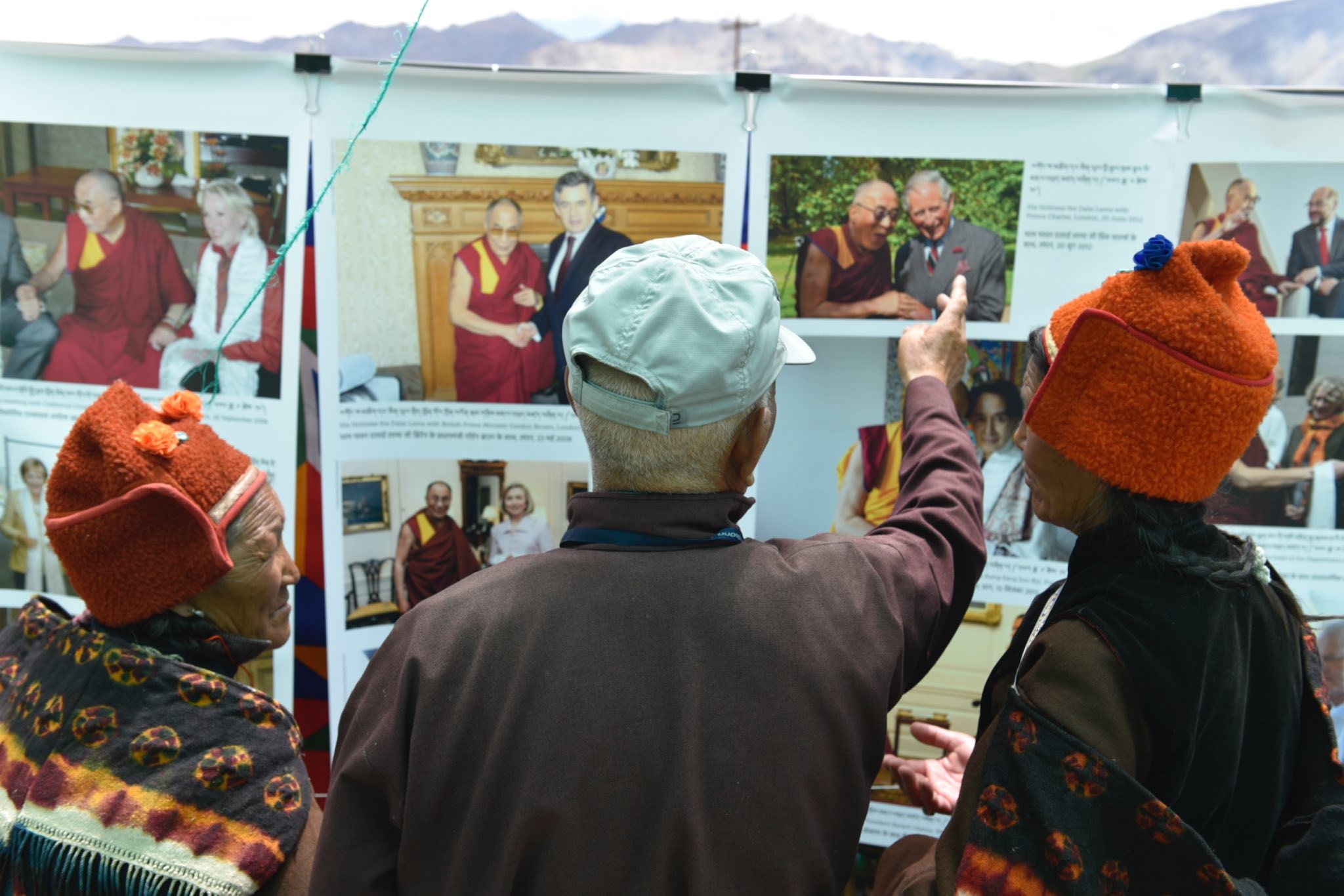
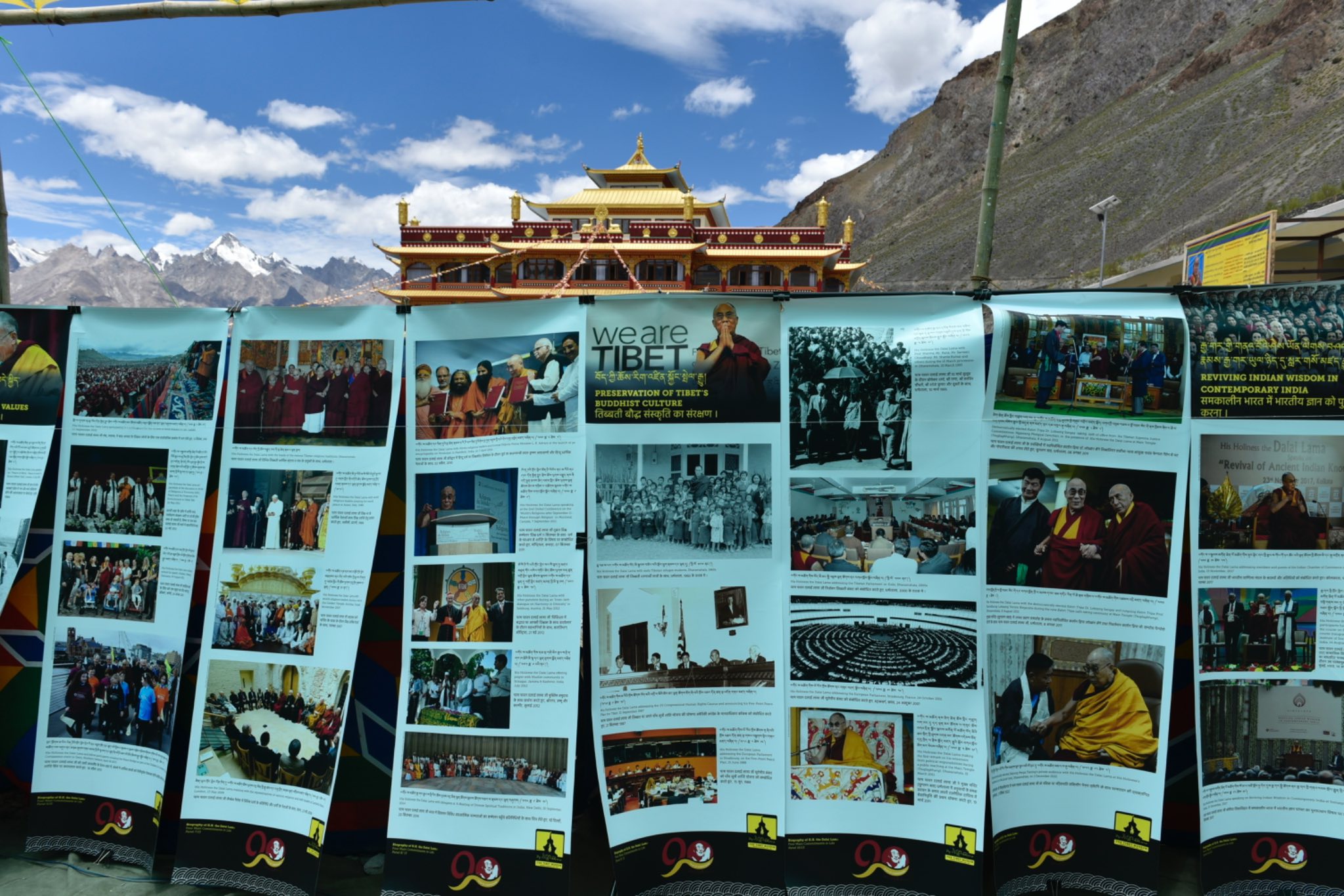
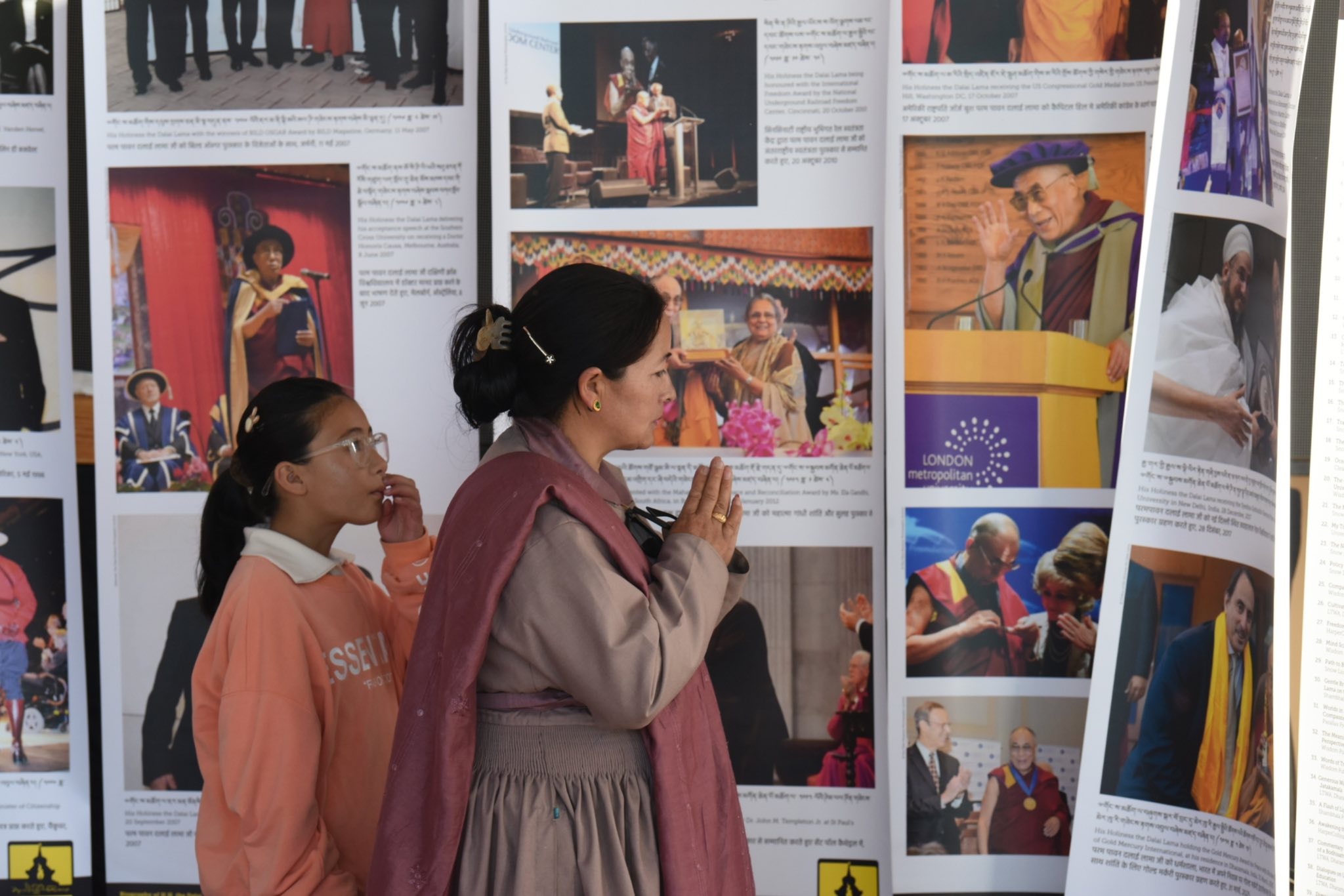
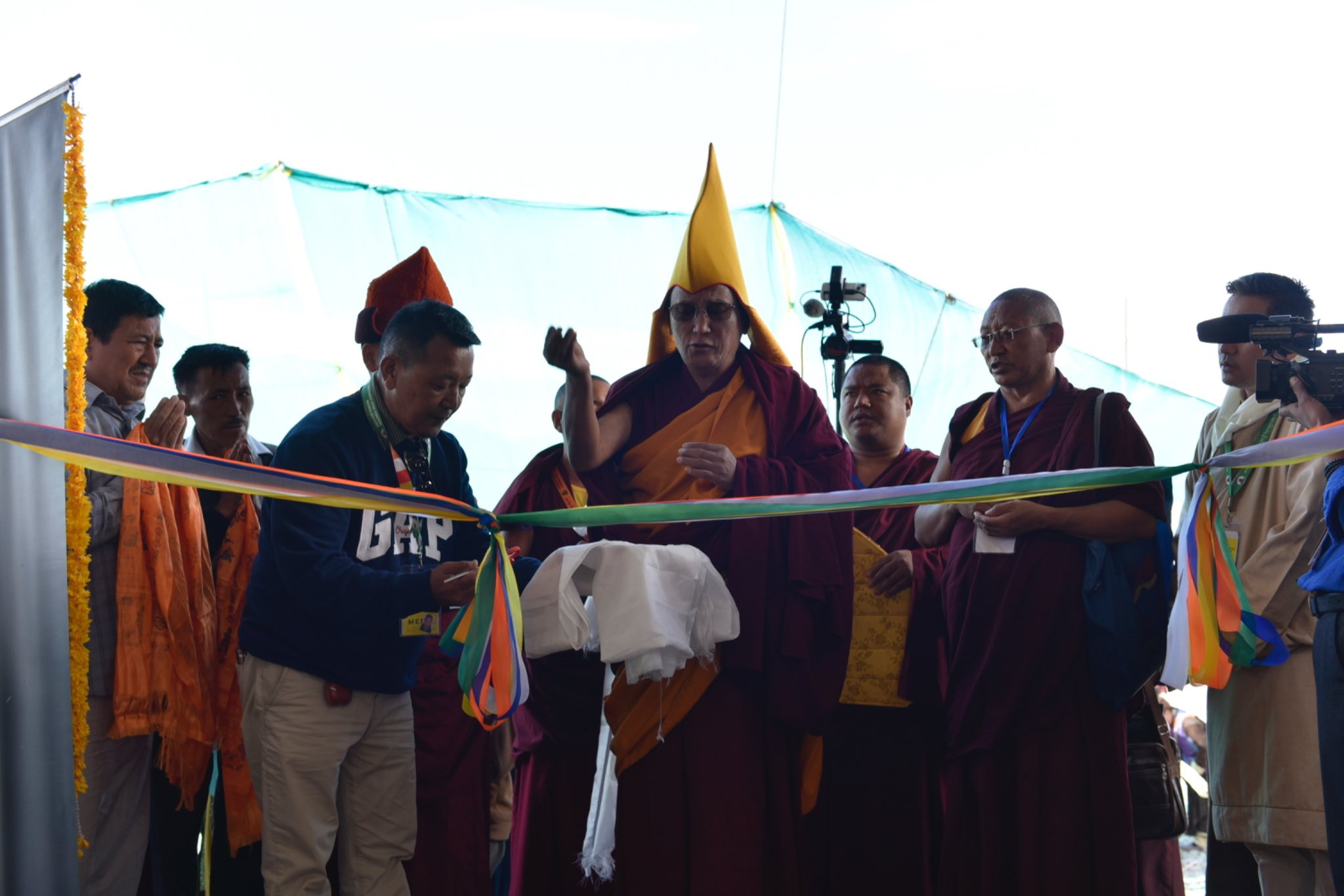
On 24 July, the Tibet Museum of the Department of Information and International Relations (DIIR), Central Tibetan Administration, officially opened a traveling photographic exhibition in the courtyard of Karsha Palace. The exhibition, held in celebration of the Year of Compassion (Ghoton) and in tribute to His Holiness the 14th Dalai Lama, highlighted key moments from His Holiness’s life, message, and global contributions.
The presence of Sharpa Choje Rinpoche and the warm participation of local residents, monks, nuns, and guests created a truly memorable and meaningful atmosphere for the event.
On 25 July, we bid farewell to Zanskar and began our journey back to Leh, Ladakh, carrying with us rare documentation, heartfelt stories, and a renewed sense of purpose in our work.
This field visit has further affirmed the urgency and value of our mission: to document, preserve, and share the lived histories of Tibetan culture in exile — histories that continue to inspire, instruct, and bear witness to a free and spiritually rich Tibet.